
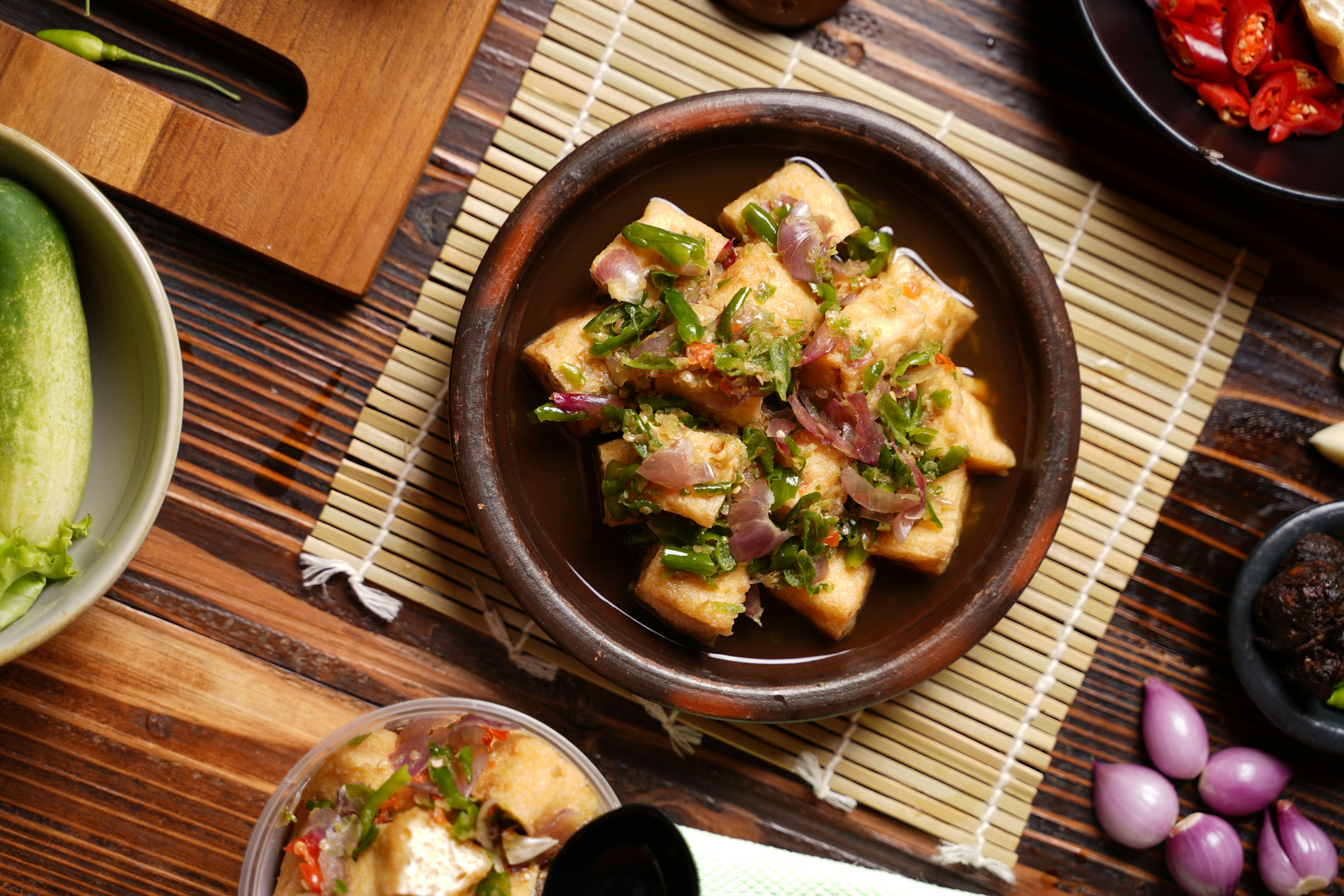
Introduction to Ratatouille
Ratatouille, a dish deeply rooted in Provençal tradition, offers a delightful reflection of Southern France’s culinary heritage. Its origins can be traced back to the rural kitchens of Provence, where farmers and home cooks utilized fresh, seasonal vegetables from their gardens. This rustic vegetable stew, characterized by its humble ingredients, showcases the vibrant flavors and colorful produce that the region is known for.
Traditionally, ratatouille consists of a medley of vegetables such as tomatoes, zucchini, eggplants, bell peppers, and onions, all simmered together to create a hearty, aromatic feast. The word “ratatouille” itself derives from the French verb “touiller,” meaning “to stir,” which aptly describes the method of preparation. Over the years, the dish has also been influenced by various culinary practices, with each variant emphasizing different vegetables or seasoning techniques. While the primary ingredients remain consistent, modern interpretations may include additional herbs, spices, or even cheeses, enhancing the dish’s rich complexity.
Ratatouille has evolved significantly, transitioning from a farmers’ meal into a celebrated representative of French cuisine internationally. Initially enjoyed as a hearty, rustic dish, it is now appreciated for its artistic presentation and versatility. It can be served as a side dish, a main course, or even featured prominently on a gourmet plate. The simplicity of ratatouille not only highlights the quality of its ingredients but also pays homage to the richness of summer’s harvest, making it a beloved comfort food for many. As we delve deeper into the preparation of this classic dish, we can appreciate how it encapsulates the essence of seasonal cooking and the joys of communal meals.
Essential Ingredients for Your Ratatouille
Ratatouille, a traditional French vegetable dish, is celebrated for its harmonious blend of fresh produce. The foundation of any authentic ratatouille encompasses a selection of essential ingredients, primarily consisting of eggplant, zucchini, bell peppers, onions, and tomatoes. Each of these vegetables contributes to the dish’s flavor profile, texture, and nutritional value.
Eggplant, known for its rich, meaty texture, serves as a vital ingredient in ratatouille. When selecting eggplant, look for ones that are firm and shiny, with smooth skin; avoid those with soft spots or blemishes. Zucchini, another key component, provides a subtle sweetness and tender crunch. Young, small zucchinis are preferable, as they tend to be more flavorful and less watery.
Bell peppers add a vibrant color and a hint of sweetness, while onions contribute a savory undertone to the mix. For an authentic touch, consider using a combination of red, yellow, and green bell peppers. When choosing onions, opt for yellow onions, as they offer a balanced flavor that enhances the overall dish.
Tomatoes, the star of the dish, add juiciness and acidity, which help to balance the other components. Fresh, ripe tomatoes are ideal; however, high-quality canned tomatoes can also be used when fresh ones are unavailable. Additionally, herbs such as basil, thyme, and parsley can elevate the flavor of your ratatouille, providing aromatic notes that complement the vegetables.
Optional ingredients such as garlic, olive oil, and even a splash of balsamic vinegar can further enhance this dish’s taste. Garlic adds depth, while olive oil enriches the overall mouthfeel. To ensure the best flavor, it is essential to select seasonal, fresh produce, as quality ingredients are crucial for the success of your classic ratatouille.
Step-by-Step Ratatouille Preparation
Preparing a classic ratatouille involves a clear and methodical approach to ensure the best flavors and textures. Begin by gathering the essential ingredients: zucchini, eggplant, bell peppers, onions, garlic, and ripe tomatoes. The first step is to wash all the vegetables thoroughly under cool water. Once clean, proceed to chop the vegetables into uniform pieces. The typical size for ratatouille is about half an inch, which allows for even cooking and a pleasant texture. Be sure to chop the onions and garlic finely to maximize their flavor infusion during cooking.
Next, start the cooking process. If you choose to use the stovetop method, heat a generous amount of olive oil in a large skillet over medium heat. Begin by sautéing the onions and garlic until they become translucent and aromatic. This foundational step lays the groundwork for the dish’s overall flavor. Following this, add the eggplant, as it takes longer to cook. Stir frequently, ensuring that the eggplant absorbs the oil and softens adequately.
After the eggplant begins to soften, incorporate the bell peppers and zucchini. Sauté these vegetables until they are tender but still maintain a slight crunch. This balance is critical as it enhances the visual appeal as well as the eating experience. Finally, add the tomatoes and season your ratatouille with salt, pepper, and herbs such as thyme or basil for added depth of flavor. Allow the mixture to simmer, letting the flavors meld together beautifully.
For those interested in variations, consider oven-baking the ratatouille. This method allows for a unique roasting of the vegetables, which provides a different texture and taste profile. Simply layer the chopped vegetables in a baking dish, drizzle with olive oil, and bake at 375°F (190°C) for approximately 30-40 minutes. This technique emphasizes the natural sweetness of the vegetables and can enhance the dish’s complexity.
Serving Suggestions and Pairing Ideas
Ratatouille, a classic Provençal dish, is not only a culinary delight but also a versatile one that can complement various dining experiences. To truly savor this vegetable medley, consider how you serve it and the pairing options available. One popular method is to enjoy ratatouille as a main course, paired with crusty bread, which offers a delightful contrast both in texture and flavor. A hearty baguette can be torn and dipped into the vegetable sauce, allowing the juices to soak into the bread, enhancing the meal.
For an alternative approach, ratatouille can be served over a bed of rice or pasta. The dish’s rich flavors meld beautifully with the simplicity of these carbohydrates, creating a filling and nutritious dish. For rice, a fragrant jasmine or basmati can elevate the experience, while pasta varieties such as spaghetti or penne allow the ratatouille’s vibrant vegetables to cling to the noodles, making each bite enjoyable.
When it comes to wine pairings, consider serving a light red, such as a Pinot Noir, or a crisp white like Sauvignon Blanc. Both wines not only complement the flavors of the fresh ingredients but also enhance the overall dining experience, allowing each note of the ratatouille to shine through. The acidity in these wines cuts through the richness of olive oil used in the dish, bringing balance to the palate.
Ratatouille is remarkably versatile; it can easily transform into a side dish to accompany grilled meats or even as a topping for bruschetta, providing a vibrant addition to your appetizer spread. Overall, the serving suggestions for ratatouille highlight its adaptability, making it an excellent choice for any meal or occasion.