
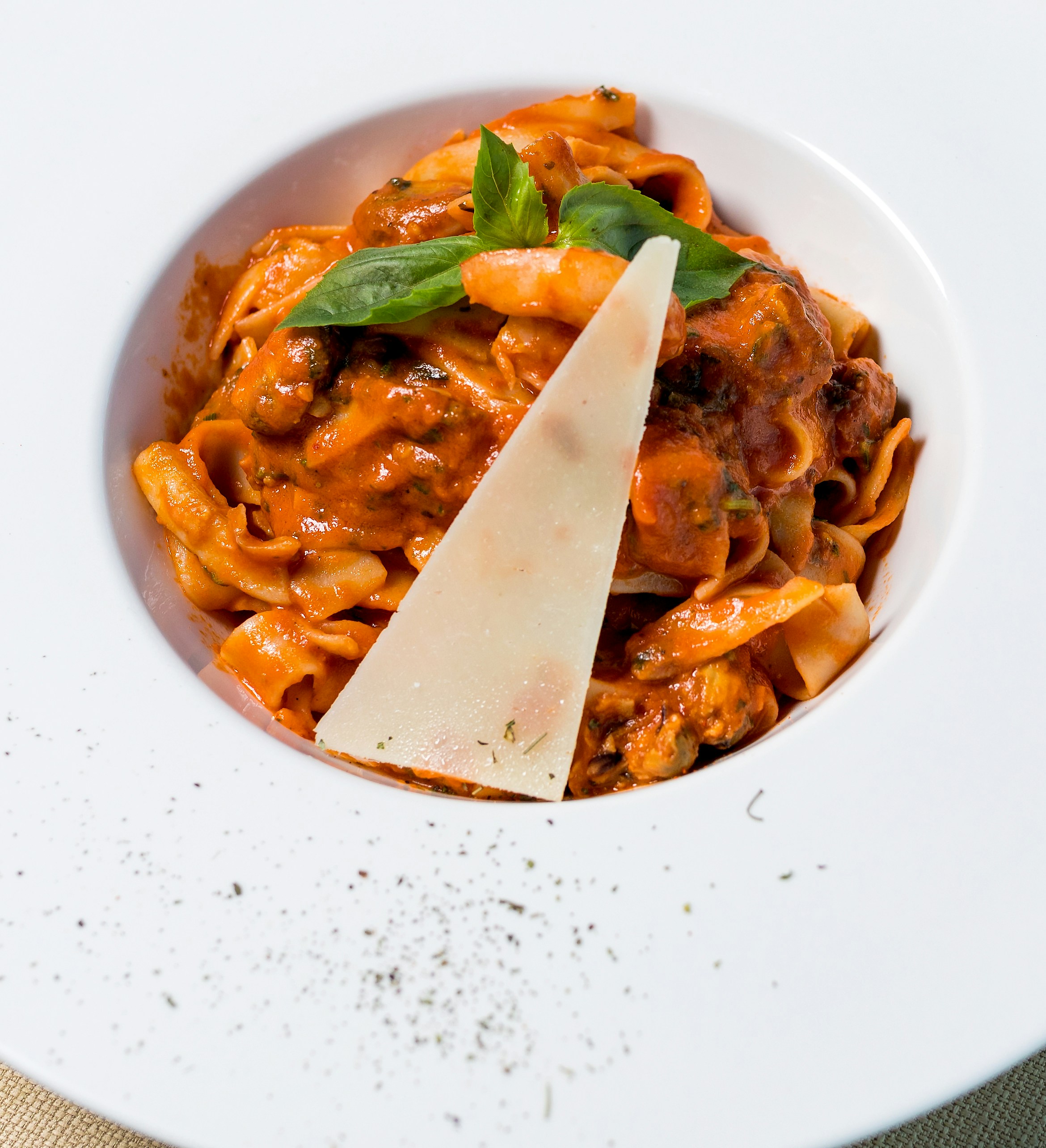
The Heart of Spaghetti Aglio e Olio: Garlic and Olive Oil
The essence of spaghetti aglio e olio lies in its simplicity, predominantly characterized by two key ingredients: garlic and olive oil. These components are not only fundamental to the dish’s flavor profile but also elevate its visual appeal, especially when prepared correctly. As garlic cloves are added to the warm olive oil, they begin to sizzle, releasing their aromatic oils and creating a beautiful golden hue that embodies the warmth of Mediterranean cuisine.
Choosing high-quality extra virgin olive oil is crucial for achieving the best results. This oil varies in taste, ranging from fruity to peppery, and plays a significant role in the final flavor of the pasta. A premium olive oil not only enhances the dish but also provides health benefits, rich in antioxidants and healthy fats. When selecting olive oil, it is advisable to opt for products labeled as “cold-pressed,” which ensures that the oil retains its nutrients and flavor. This oil serves as a medium in which garlic can infuse its robust flavor, transforming a simple pasta into an exquisite meal.
The cooking technique for infusing garlic into the olive oil is equally important. To extract the best flavors, it is recommended to cook the minced or sliced garlic slowly over low to medium heat. This gradual cooking process allows the garlic to caramelize lightly, creating a delightful balance between bitterness and sweetness. Furthermore, this preparation method highlights the importance of natural light; the warm glow of the golden garlic in the shimmering olive oil is not just a treat for the palate but also an appealing sight for the eyes. This initial stage of cooking beautifully captures the essence of spaghetti aglio e olio, inviting diners into a luxurious yet uncomplicated culinary experience.
Bringing Flavor to the Plate: The Role of Parsley
A bowl of spaghetti aglio e olio, richly adorned with freshly chopped parsley, offers a vibrant display of flavor and visual appeal. This rustic Italian dish, although simple in its ingredients, reaches new heights through the incorporation of fresh herbs, particularly parsley. The bright green of the parsley not only creates an enticing contrast against the golden hue of the pasta and olive oil but also elevates the overall sensory experience of the dish.
In Italian cuisine, fresh herbs such as parsley play an essential role in enhancing both aroma and taste. Parsley, in particular, is known for its fresh, slightly peppery flavor, which adds a refreshing note to the garlicky essence of aglio e olio. When sprinkled generously over the dish just before serving, it transforms the plate into an edible masterpiece while releasing a fragrant aroma that tantalizes the senses. This aromatic quality complements the olive oil’s richness, resulting in a well-balanced dish that delights the palate.
The preparation of the parsley is crucial to fully harness its flavors. Chopping the herb just prior to serving maintains its freshness and brightens the overall profile of the dish. This technique not only preserves the essential oils contained within the leaves but also allows for even distribution throughout the pasta, ensuring that every bite is consistent in flavor. Furthermore, considering the minimalist nature of spaghetti aglio e olio, the simplicity of the parsley’s preparation aligns perfectly with the culinary philosophy of letting high-quality ingredients shine.
Ultimately, the inclusion of fresh parsley is not merely for decoration; it is a vital component that enriches the dish both visually and gastronomically. Its role is emblematic of the Italian commitment to freshness and quality in cooking, ensuring that each bowl of spaghetti aglio e olio is as inviting to the eye as it is satisfying to the taste buds.
Step-by-Step Guide to Making Spaghetti Aglio e Olio
Creating a delightful plate of spaghetti aglio e olio at home is a straightforward process that requires minimal ingredients but offers maximum flavor. For this classic Italian dish, you will need the following basic ingredients: 400 grams of spaghetti, four cloves of garlic, 100 milliliters of extra virgin olive oil, a pinch of red pepper flakes, and fresh parsley for garnish. You may also consider additional items such as salt and grated Parmesan cheese, depending on your personal taste preferences.
To begin, fill a large pot with water and bring it to a rolling boil. Generously season the boiling water with salt before adding the spaghetti. Cook the pasta according to the package instructions, typically around 8-10 minutes, until al dente. Be sure to stir occasionally to prevent the strands from sticking together. As the pasta cooks, you can prepare the aglio e olio sauce.
In a separate large skillet, pour the olive oil and gently heat it over medium heat. Next, thinly slice the garlic cloves. Once the oil is warm, add the sliced garlic to the skillet and sauté. Monitor the garlic closely, ensuring it becomes golden and fragrant without burning, as burnt garlic can impart a bitter taste. After a few minutes, add the red pepper flakes to the skillet, adjusting the amount to suit your spice level.
When the spaghetti is cooked, reserve a cup of the pasta water, then drain the remainder. Immediately add the drained pasta to the skillet with the garlic and oil mixture, tossing it well to ensure even coating. If the dish appears dry, simply add a splash of the reserved pasta water to achieve your desired consistency. Finally, garnish with freshly chopped parsley and serve, optionally topping with grated Parmesan cheese for added flavor. Enjoy your homemade spaghetti aglio e olio, which is sure to impress with its simplicity and taste!
Plating and Presentation: Making Your Dish Come Alive
The art of plating serves as a crucial element in elevating any homemade dish, and spaghetti aglio e olio is no exception. A well-presented meal not only enhances the visual appeal but also engages the eater’s senses even before the first bite. To achieve an impressive presentation, the arrangement of the pasta is paramount. Begin by twisting the cooked spaghetti into a neat mound using a fork or a pasta claw, placing it in the center of a warm, shallow bowl or plate. This formation creates height and draws the eye, making the dish appear more sophisticated.
Once the pasta is plated, it is time to add the finishing touches. A generous drizzle of high-quality extra virgin olive oil should be applied over the warm noodles. This not only enhances the flavor but also provides a glossy sheen, making the dish appear more inviting. To add a burst of color and freshness, a sprinkle of finely chopped parsley should be artfully scattered on top. The vibrant green of the parsley contrasts beautifully with the golden hue of the olive oil, emphasizing both flavor and aesthetics.
Lighting plays a significant role in how a plate is perceived. Soft, warm lighting can create an atmosphere that transforms a simple meal into an extraordinary dining experience. Consider serving the dish on a neutral-colored plate, as this allows the colors of the spaghetti and garnishes to stand out. Additionally, incorporating elegant tableware, such as beautiful forks and knife sets, can further enhance the visual appeal.
Another practical tip for an impressive finish is to add a light dusting of freshly grated Parmesan cheese just before serving. It not only adds flavor but also an extra layer of elegance. With these thoughtful presentations and small creative touches, your spaghetti aglio e olio can be transformed into a culinary masterpiece that delights both the eyes and the palate.