
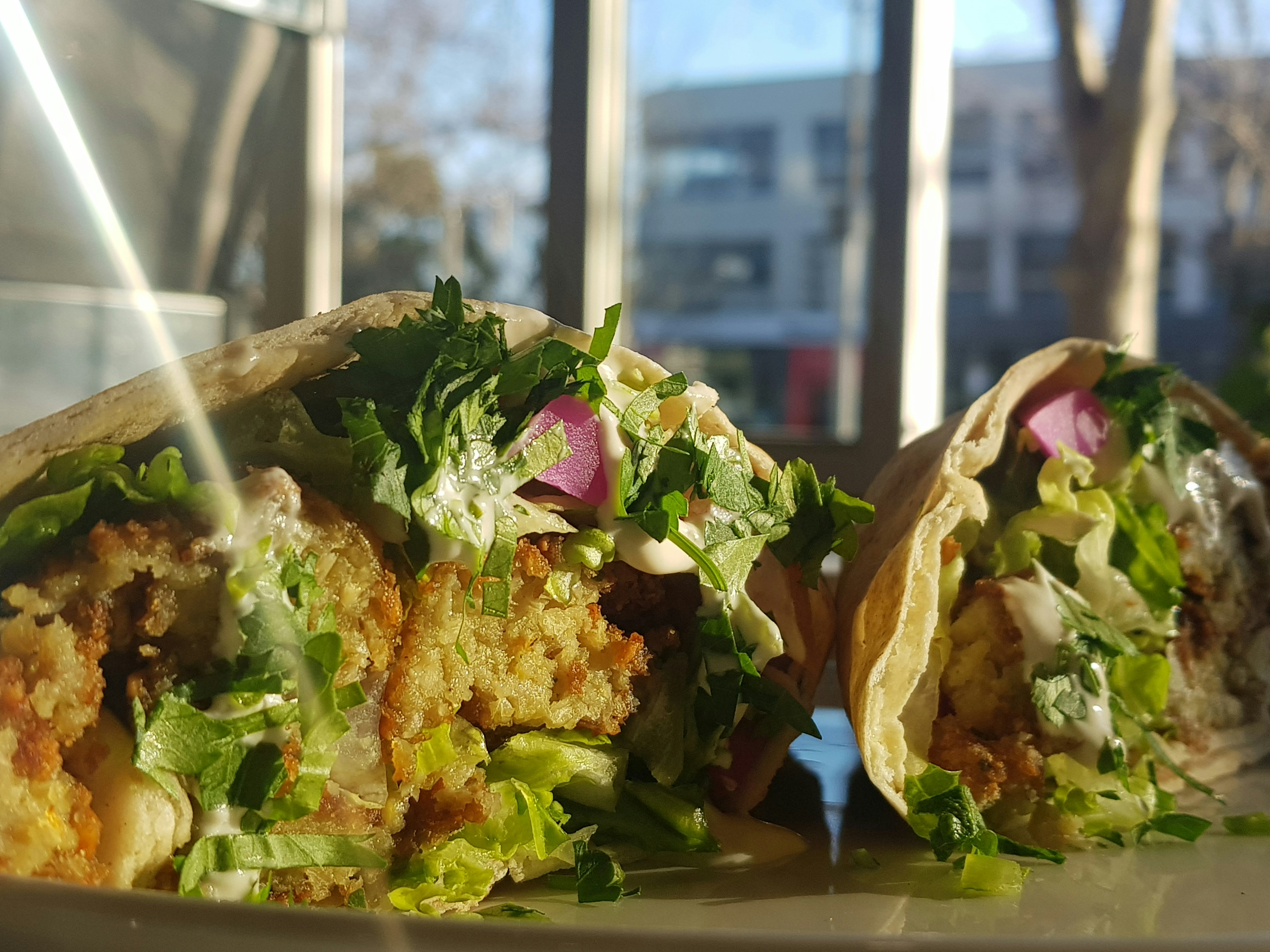
Introduction to Crispy Falafel Wraps
Crispy falafel wraps are a captivating manifestation of Middle Eastern street food that has gained international acclaim for their delightful combination of flavors and textures. Originating in the Levant region, these wraps have evolved over time into a beloved dish enjoyed in numerous cultures around the world. They primarily consist of falafel, which is a deep-fried ball or patty made from ground chickpeas, herbs, and spices. The preparation involves blending these ingredients, forming them into balls or patties, and frying them to achieve a crispy exterior while maintaining a tender interior.
The essence of falafel lies in its combination of fresh parsley, cilantro, garlic, and cumin, creating a unique flavor profile that elevates the humble chickpea. This dish not only caters to vegetarians but is also embraced by those seeking healthy yet satisfying meal options. The popularity of crispy falafel wraps can be attributed to their versatility; they can be served in various ways, including as a snack, appetizer, or main dish, making them an excellent choice for a wide array of dining experiences.
What distinguishes a falafel wrap is the choice of flatbread used to encase these savory ingredients. Traditionally, pita bread is favored for its ability to hold the filling securely while providing a soft yet slightly chewy texture. In addition to falafel, these wraps often include an assortment of fresh vegetables, such as lettuce, tomatoes, and cucumbers, along with a drizzle of tahini sauce or a spicy chili sauce to enhance the overall taste. This harmonious blend of components contributes to the enduring popularity of falafel wraps, making them a quintessential street food item that continues to delight food enthusiasts around the globe.
Why This Recipe Works
One of the most critical techniques contributing to the success of this crispy falafel wrap recipe is the soaking of chickpeas. Soaking dried chickpeas overnight not only softens them but also aids in achieving the right texture when processed. This step is essential for creating a falafel mixture that holds together well while cooking, resulting in a light and fluffy interior. Failing to soak the chickpeas can lead to a dense and crumbly texture, which detracts from the overall experience.
In addition to the soaking process, the use of fresh herbs such as parsley and cilantro elevates the flavor profile of the falafel. These vibrant ingredients provide an array of aromatic notes that complement the nuttiness of the chickpeas. The herbs should be finely chopped to allow their essence to infuse throughout the mixture, ensuring that each bite is packed with flavor. Other spices like cumin and coriander further enhance the taste, making the falafel more appealing to the palate.
Another crucial aspect of this recipe is the frying temperature. Ensuring that the oil is heated to the right temperature—ideally between 350°F to 375°F—enables the falafels to crisp up beautifully on the outside while maintaining a tender interior. Frying at this temperature minimizes oil absorption, leading to a lighter final product. If the oil is too cool, the falafel can turn greasy; if it is too hot, they may burn before cooking through. Therefore, using a thermometer to monitor the oil’s temperature can significantly enhance the outcome of the dish.
By focusing on the soaking process, utilizing fresh herbs for flavor, and carefully controlling frying heat, this crispy falafel wrap recipe establishes a harmonious balance of texture and taste that truly embodies Middle Eastern street food. Each of these key techniques contributes to a delightful culinary experience that is both satisfying and memorable.
Ingredients for the Perfect Falafel Wrap
To create a delicious and authentic crispy falafel wrap, it is essential to collect a variety of high-quality ingredients. The foundation of the falafel consists of dried chickpeas, which should be soaked in water for several hours or overnight to ensure they achieve the optimal texture when blended. Using dried chickpeas instead of canned will yield a fresher flavor and better consistency in the final product.
In addition to chickpeas, finely chopped onion and garlic are crucial for enhancing the flavor profile of the falafel mixture. The aromatic nature of these ingredients will provide depth to the overall taste, making each bite a delightful experience. Fresh herbs, such as parsley and cilantro, not only add a vibrant color but also a refreshing herbal note to the wrap. The inclusion of these herbs is essential, as they contribute significantly to the traditional character of falafel.
For seasoning, a combination of spices is recommended to elevate the falafel’s flavor. Common spices include ground cumin, coriander, and a pinch of salt. These spices complement the chickpeas and herbs harmoniously, without overpowering them, resulting in a balanced and tasty mixture. In some variations, chili powder or cayenne pepper can be added for those who prefer a bit of heat.
Once the falafel mixture is prepared, the wrap itself requires additional components for a complete meal. Fresh vegetables such as lettuce, tomatoes, and cucumbers add crunch and freshness, while a creamy tahini sauce or yogurt dressing works as a perfect compliment to the crispy falafel. Authentic pita bread or flatbreads serves as the base for the wrap, embodying the street food essence that falafel is renowned for. With all these ingredients gathered, you will be ready to embark on the journey of preparing the perfect falafel wrap.
Soaking Chickpeas: The First Step to Great Falafel
To achieve that perfect crispy falafel texture, it is essential to start with properly soaked dried chickpeas. Unlike canned chickpeas, which are already cooked and contain added preservatives, dried chickpeas provide the ideal foundation for falafel, allowing for the best flavor and consistency. Soaking chickpeas for 12 to 24 hours rehydrates them, which is a critical factor in the overall quality of the final product.
When chickpeas are soaked, they absorb water, which causes them to swell and become softer. This process not only enhances their flavor but also ensures that they blend seamlessly into a smooth mixture for falafel. A common mistake is using insufficiently soaked chickpeas, which can lead to a gritty texture and compromise the ability of the falafel to hold together during frying.
To soak the chickpeas correctly, begin by rinsing them under cold water to remove any dust and impurities. Next, place the rinsed chickpeas in a large bowl and cover them with ample cold water, ensuring that the water level is at least two inches above the chickpeas as they will expand. It is advisable to soak them overnight for approximately 12 hours. For optimal texture and flavor, extending the soaking period up to 24 hours is preferable. During this time, you should also check the water level, adding more if necessary, as the chickpeas will absorb moisture.
After soaking, drain the chickpeas and give them a quick rinse. This process not only prepares them for further use but also removes any anti-nutritional factors. The result is a batch of perfectly soaked chickpeas, ready to be transformed into tantalizing falafel. This foundational step is vital to ensure that your falafel is not only delicious but also has the right texture to impress everyone who takes a bite.
Creating the Falafel Mixture
The process of creating the falafel mixture begins with the selection and preparation of the primary ingredient: soaked chickpeas. It is essential to soak the dried chickpeas overnight in a generous amount of water, as this not only softens them but also contributes to achieving the desired texture. After soaking, drain the chickpeas well and combine them with fresh herbs, spices, and aromatics in a food processor.
To create the perfect falafel mixture, start by adding the drained chickpeas to the food processor bowl. Next, introduce a handful of fresh parsley and cilantro, both of which impart a bright flavor and vivid green color. Additionally, a small onion and a clove of garlic should be included, as they enhance the overall taste profile significantly. The spices that can be added at this stage are ground cumin and coriander, which are pivotal in providing the authentic Middle Eastern flavor.
When all ingredients are added, pulse the food processor until a coarse paste forms. It is crucial to avoid over-processing the mixture, as a grainy texture is ideal for falafel. If needed, scrape down the sides of the bowl to ensure even blending. A good indicator of achieving the right consistency is when the mixture can hold its shape when rolled into a ball or patty. If the mixture appears too dry, a tablespoon of water can be added; alternatively, if it is too wet, you might sprinkle in a bit of flour to help bind it.
Once the ideal texture is achieved, taste the mixture and adjust the seasoning if necessary. This is an important step to ensure that the final falafel delivers a punch of flavor that pairs perfectly with the desired wrap and accompanying sauces. With the falafel mixture ready, the next steps will involve shaping and frying or baking these delicious patties.
Frying the Falafel: Achieving the Golden Crisp
Frying falafel is a critical step that contributes significantly to its signature flavor and texture. The ideal outcome is a golden-brown exterior that is perfectly crisp, enveloping a moist and flavorful interior. To achieve this, the oil temperature must be carefully monitored. A frying temperature of 350°F to 375°F (175°C to 190°C) is recommended for optimal results. If the oil is too cold, the falafel may absorb excess oil, leading to a soggy texture—a common pitfall that is best avoided. Conversely, an excessively high temperature can cause the outside to burn before the insides are adequately cooked.
Before frying, it is advisable to allow the falafel balls to rest for about 30 minutes in the refrigerator. This not only enhances the texture but also helps the falafel hold its shape in the hot oil. When ready, gently place the falafel into the hot oil, ensuring not to overcrowd the pan. Overcrowding may lower the oil temperature, contributing to uneven cooking and potential sogginess.
The frying duration typically ranges from 3 to 5 minutes per batch, turning the falafel halfway through to achieve even coloration. The objective is to reach a deep golden hue, indicating that the outer layer is crisp while maintaining integrity on the inside. Once fried, it is crucial to drain the excess oil by placing the falafel on paper towels. This step is vital to preserve the desired crispy texture. Additionally, using a thermometer to check the oil temperature throughout the frying process ensures more consistent results, preventing any significant dips that could affect the outcome.
Employing these techniques will help in producing authentically crispy falafel suitable for wrapping in pita or serving as part of a larger platter. Proper frying techniques not only enhance the taste but also create an inviting texture that complements a variety of dips and fresh vegetables, making your falafel a delightful Middle Eastern treat.
Preparing the Wrap: Choosing Fresh Ingredients
When crafting the ultimate falafel wrap, the choice of ingredients plays a pivotal role in enhancing the overall flavor profile and nutritional value. The foundation of any good wrap is the flatbread, traditionally pita or laffa, which should be soft, pliable, and fresh. Opting for freshly baked flatbread not only elevates the taste but also contributes to a satisfying texture that complements the crispy falafel. Ensure the flatbread is warm, as this enhances its flexibility and allows for easier wrapping.
Beyond the flatbread, selecting high-quality vegetables is crucial. Freshness is key; look for crisp lettuce, juicy tomatoes, refreshing cucumbers, and tangy pickles. These vegetables not only add crunch and vibrant colors but also provide essential vitamins and nutrients that contribute to a balanced meal. When choosing lettuce, consider varieties such as romaine or iceberg, which provide a satisfying crunch and a mild flavor that will not overpower the existing tastes of the falafel. Tomatoes should be ripe yet firm to maintain their structure inside the wrap, while cucumbers should be cool and crisp.
Furthermore, pickled vegetables can introduce an exciting flavor contrast. Options like pickled turnips or spicy peppers can enhance the overall culinary experience, bringing an authentic Middle Eastern twist to your wrap. In addition to these traditional toppings, consider incorporating herbs like parsley or mint for an aromatic freshness that heightens the dish’s appeal.
Incorporating these fresh ingredients effectively balances the rich, hearty falafel, resulting in a harmonious wrap that is both delicious and satisfying. Making an effort to choose the best ingredients will undoubtedly lead to a memorable falafel experience that showcases the best of Middle Eastern street food.
Assembling the Crispy Falafel Wrap
To create the perfect crispy falafel wrap, start with a fresh pita or flatbread as the base. Begin by laying the bread flat on a clean surface, ensuring it is warm to prevent tearing during the wrapping process. Next, take your deliciously fried falafel balls—ideally, they should be golden brown, crispy on the outside, and soft on the inside. Place three to four falafel balls in the center of the bread, arranging them parallel to one another to create a solid foundation for the wrap.
Following the falafel, add an array of fresh vegetables to enhance the flavor and nutritional profile of your wrap. Common choices include shredded lettuce, diced tomatoes, or thinly sliced cucumbers, but feel free to get creative with ingredients like grated carrots or pickled radishes. Distributing these veggies evenly on top of the falafel allows for a delightful crunch in each bite.
To elevate the flavors further, drizzle a generous amount of tahini sauce over the vegetable layer. This rich, creamy condiment is a staple in Middle Eastern cuisine and complements the falafel beautifully. Consider adding a sprinkle of fresh herbs, such as parsley or cilantro, which not only enhance visual appeal but also introduce a refreshing taste. If desired, a splash of hot sauce or a few slices of jalapeños can add extra spice and zest.
Finally, it’s time to roll your wrap. Begin by folding the sides of the pita inward, then carefully roll it from the bottom up, encasing all fillings tightly. This technique ensures that your crispy falafel wrap stays intact while you enjoy every flavorful bite. Remember to keep the wrap wrapped in parchment paper or foil to maintain its warmth and crispiness until you are ready to dig into this aromatic Middle Eastern street food delight.
Tips and Tricks for the Best Falafel Wrap Experience
To achieve the ultimate crispy falafel wrap, attention to detail is paramount. One of the most crucial aspects is the selection of ingredients. For the falafel mix, consider using dried chickpeas instead of canned ones, as this will result in a firmer texture and better flavor. Soaking the dried chickpeas overnight allows them to hydrate properly, enhancing the blend’s taste and moisture content. Furthermore, incorporating a variety of spices such as cumin, coriander, and a pinch of cayenne can elevate the flavor profile significantly. Fresh herbs like parsley and cilantro add vibrancy and depth to the falafel.
When it comes to frying your falafel, ensure that the oil is sufficiently hot before frying; this provides the perfect crunch and golden color while preventing the falafel from absorbing excess oil. It’s also advisable to fry in small batches to maintain the oil temperature. For those looking for a healthier option, consider baking the falafel. By lightly brushing them with oil and baking at a high temperature, one can still achieve a satisfactory crispness while using less fat.
Storage is another vital consideration. Cooked falafels can be refrigerated for up to three days, making them ideal for meal prep. If you wish to extend their shelf life, freeze them after frying, allowing for a quick reheating in the oven directly from the freezer when in need of a delicious snack or meal. As for serving suggestions, pair your falafel wraps with vibrant accompaniments such as pickles, fresh vegetables, and a drizzle of tahini or yogurt sauce. Experimenting with different types of bread, such as pita or lavash, can also result in varying textures and flavors to delight your palate.
By applying these tips and variations, one can ensure that the falafel wrap experience is not only enjoyable but also versatile, catering to a range of preferences and dietary requirements.