
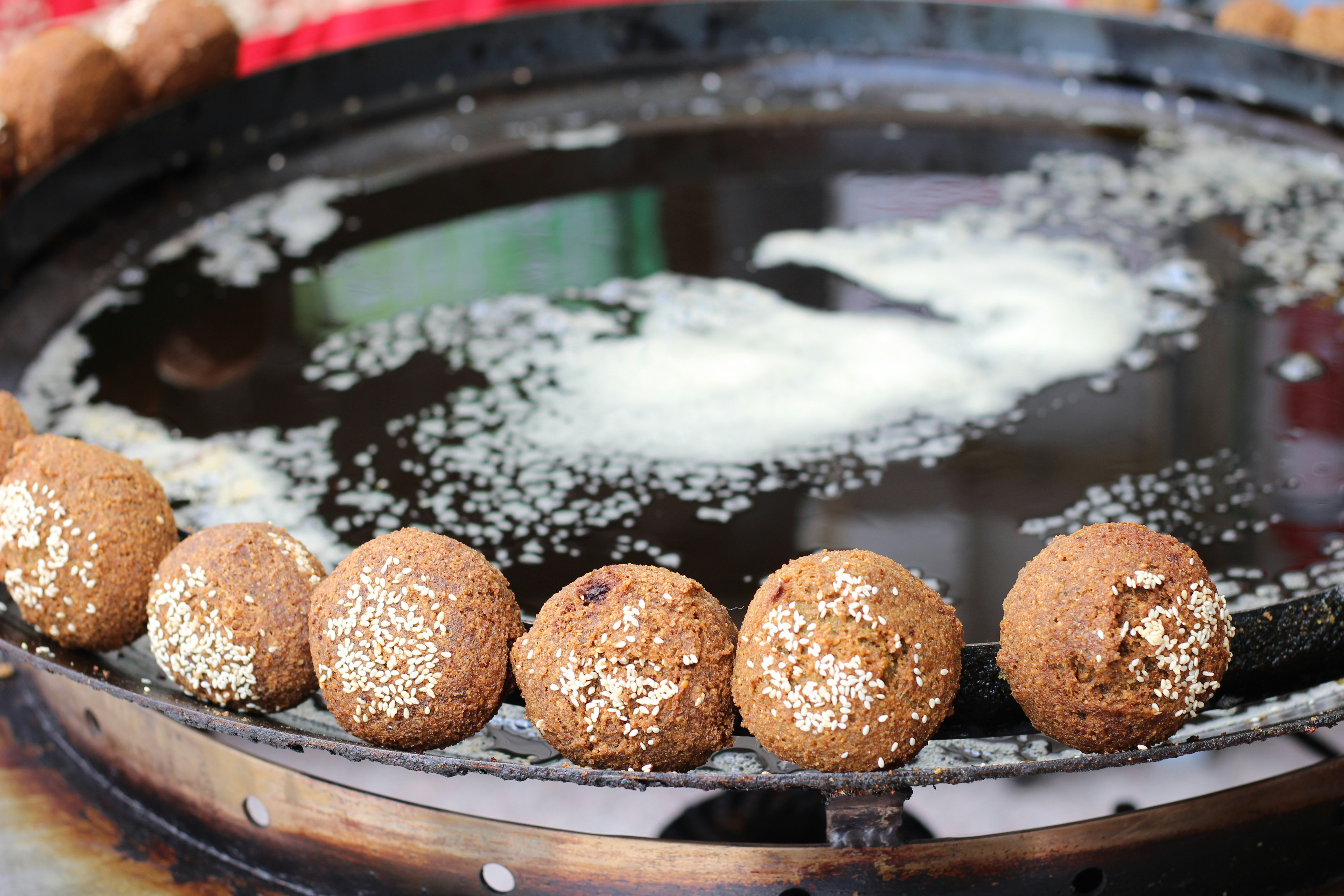
Introduction to Falafel
Falafel, a beloved staple of Middle Eastern cuisine, has gained widespread recognition and admiration across the globe. This delightful dish primarily consists of ground chickpeas, blended with an array of fresh herbs such as parsley and cilantro, and a medley of spices like cumin, coriander, and garlic. The combination of these ingredients not only offers rich nutritional benefits but also produces a flavor profile that tantalizes the taste buds of many.
Creating the perfect falafel requires meticulous attention to texture and flavor. The texture should be crispy on the outside while remaining tender and flavorful on the inside. Achieving this balance often hinges on the use of dried chickpeas that have been soaked overnight; this method enhances the texture and flavor, setting homemade falafel apart from its store-bought counterparts. Using dried chickpeas instead of canned ones ensures that the falafel mixture maintains the right consistency, allowing it to hold together during frying.
Moreover, homemade falafel presents a wonderful opportunity to personalize the dish to meet individual taste preferences. The versatility inherent in falafel allows it to be enjoyed in various meals, whether served in a pita with fresh vegetables, on a bed of rice, or as a component of a larger platter alongside hummus and tabbouleh. This adaptability makes falafel an ideal choice for both casual family dinners and more elaborate gatherings.
As you embark on the journey of crafting your own falafel, you will discover the satisfaction that comes from preparing this Middle Eastern delight at home. Not only do you gain control over the ingredients, but you also engage in a joyful culinary experience that connects you to the rich cultural heritage of the region. With each bite, you will taste the love and care that goes into making falafel, transforming a simple dish into a meaningful masterpiece.
Why This Recipe Works
Creating the perfect falafel is an art, and several key elements contribute to the success of this homemade recipe. One of the most critical factors is the choice of chickpeas. Utilizing dried chickpeas instead of canned ones significantly enhances the texture of the falafel. Dried chickpeas, when soaked correctly, result in a firmer, more consistent mixture, allowing for a satisfying crunch on the outside while remaining tender and flavorful inside. Canned chickpeas may lead to a mushy consistency, which compromises the overall quality of the falafel.
Moreover, the integration of fresh herbs plays an essential role in elevating the dish. The combination of parsley and cilantro not only adds vibrant color but also infuses the falafel with a fresh, aromatic flavor that is paramount in Middle Eastern cuisine. The herbs contribute to the authentic taste profile associated with falafel, making it much more than just a fried chickpea ball.
In addition to the selection of ingredients, the spice blend employed in this recipe is crucial. A blend of cumin, coriander, and a touch of cayenne pepper delivers depth and balance to the flavor, enhancing the overall dish. Each spice complements the others, creating a well-rounded profile that is both fragrant and delicious. The careful measurement of these spices is key for achieving the right level of taste without overpowering the falafel itself.
The culmination of these choices—dried chickpeas, fresh herbs, and a thoughtfully crafted spice blend—ensures that the falafel achieves its signature crispy exterior and tender interior. This well-balanced approach not only preserves the authenticity of the dish but also guarantees that each bite is a delight to the senses, showcasing the beautiful flavors of Middle Eastern cuisine.
Step-by-Step Instructions
To create delicious, crispy homemade falafel, start with the preparation of the chickpeas. Begin by measuring out one cup of dried chickpeas. It is essential to soak them in cold water for at least 12 hours, or overnight, as this rehydrates the beans and prepares them for blending. After soaking, drain and rinse the chickpeas thoroughly, ensuring any residual grit is removed.
Next, move to the mixing process. In a food processor, combine the soaked chickpeas with fresh herbs such as parsley and cilantro, along with garlic, onion, ground cumin, and coriander. These ingredients not only provide flavor but also contribute to the aromatic profile typical of falafel. Pulse until you achieve a coarse paste, being careful not to over-process into a smooth purée. The texture should still have some grain, which helps in achieving the desired crispiness after frying.
Once the mixture is ready, it’s time to shape the falafel. Using your hands or a small ice cream scoop, take portions of the mixture and form them into small balls or patties, roughly the size of a golf ball. This shape promotes even frying and helps ensure that the insides remain moist while the outsides achieve that golden crisp. If you find the mixture is too moist, adding a tablespoon of flour can help bind it as needed.
To fry the falafel, heat vegetable oil in a deep skillet to approximately 350°F (175°C). Carefully place the shaped falafel into the hot oil, ensuring not to overcrowd the pan, which can lower the oil’s temperature and impede the frying process. Fry the falafel for about 4-5 minutes until they are beautifully golden brown and crispy on all sides. Once cooked, transfer them to a plate lined with paper towels to absorb excess oil. This step is crucial for maintaining the crispy texture.
Serving and Pairing Suggestions
When it comes to enjoying crispy homemade falafel, the way you serve and pair them can significantly enhance the overall dining experience. Falafel can be served in a variety of ways that not only highlight their flavor but also embrace the rich cultural traditions surrounding Middle Eastern cuisine. Traditional accompaniments that pair beautifully with falafel include creamy hummus, refreshing tabbouleh, and crisp vegetables like sliced cucumbers and tomatoes, all of which contribute texture and flavor contrast.
A popular method of serving falafel is within a warm pita pocket, which adds a delightful softness to the crispy falafel. You can layer the falafel inside the pita with fresh vegetables, perhaps a drizzle of tahini sauce or a dollop of yogurt to complement the flavors. Alternatively, falafel can be arranged on a platter as part of a mezze spread, where diners can enjoy a variety of small dishes. This communal style of dining not only makes for a festive presentation but also encourages sharing and interaction among guests.
To create an inviting platter, choose an array of vibrant colors and textures. Arrange the falafel in a circular or spiral formation, surrounded by bowls of hummus, tabbouleh, and a selection of fresh vegetables. Consider adding a sprinkle of fresh herbs, such as parsley or cilantro, for added color. Incorporating warm pita bread cut into wedges not only complements the dish but also offers a practical way for guests to indulge. The visual appeal of a well-arranged mezze platter elevates the dining experience, drawing guests to gather around and enjoy the multitude of flavors together.
By thoughtfully considering how to serve and pair your falafel, you can create a delightful culinary experience that pays homage to the cultural significance of this beloved Middle Eastern dish.