
Introduction
Moroccan cuisine is renowned for its vibrant flavors and colorful presentations, and among its most beloved dishes is the vegetable tagine. This hearty and aromatic dish offers a delightful medley of seasonal vegetables, spices, and often dried fruits, creating a culinary experience that is both satisfying and wholesome. The Moroccan vegetable tagine is not just a meal; it is a celebration of the richness of the ingredients commonly found in Moroccan markets. The combination of sweet and savory elements, enhanced by a variety of spices, transports diners to the streets of Morocco with each bite.
One of the remarkable aspects of a vegetable tagine is its versatility. This dish can be easily adapted to include a wide range of vegetables, including carrots, zucchini, bell peppers, and tomatoes. The beauty of preparing a tagine at home lies in the opportunity to customize it according to personal taste and seasonal availability, making it a convenient choice for any quick dinner idea. With simple preparation steps and minimal cooking time, this recipe is tailored for both novice and seasoned cooks alike.
Furthermore, the vegetable tagine exemplifies the essence of Moroccan cooking, which emphasizes wholesome ingredients and rustic flavors. Utilizing techniques such as slow cooking in a traditional tagine pot or even a regular heavy pot, the dish allows flavors to meld beautifully while ensuring the vegetables retain their nutritional value and texture. As more individuals seek to incorporate healthy and delightful meals into their daily routines, the Moroccan vegetable tagine emerges as an excellent choice, offering both taste and nourishment in a single serving. The following sections will guide you through creating this spectacular dish at home, creating a vibrant dining experience infused with Moroccan flair.
Why This Recipe Works
The Moroccan vegetable tagine is a unique culinary experience, primarily due to the traditional cooking method involved. The essence of preparing this dish lies in the tagine itself, a conical earthenware pot designed to provide an environment for slow cooking. This slow simmering technique is crucial, as it allows the vegetables to cook evenly while retaining their natural flavors and nutrients. Unlike quick methods of cooking, the prolonged heat enables the ingredients to release their juices, turning them into a rich sauce that forms the foundation of the dish.
Another noteworthy aspect of cooking a vegetable tagine is the harmonious melding of spices. Key spices such as cumin, coriander, and cinnamon are integrated at an early stage of cooking. As the tagine simmers, these spices infuse the vegetables with warmth and complexity, transforming simple ingredients into a flavorful masterpiece. This interplay of spices not only enhances the overall taste but also adds nutritional value, as many spices are known for their health benefits. For instance, cumin aids in digestion, coriander has antioxidant properties, and cinnamon is celebrated for its anti-inflammatory effects.
Furthermore, cooking with a tagine promotes a healthy lifestyle. The method often involves minimal fat and focuses on showcasing the vibrant flavors of fruits and vegetables. By utilizing fresh, seasonal ingredients, one can create a dish that is not only satisfying but also nourishing. The slow-cooking process breaks down fiber and enhances the vegetables’ tenderness, making them easier to digest. The result is a wholesome meal that caters to various dietary preferences, whether one adheres to a vegetarian or vegan regimen.
In essence, the process of preparing a Moroccan vegetable tagine is both an art and a science. By allowing spices to mingle with vegetables over low heat, one achieves a depth of flavor that captures the essence of Moroccan cuisine while ensuring a healthy and satisfying meal.
Ingredients
To prepare a delightful Moroccan vegetable tagine, a selection of fresh vegetables, aromatic spices, and traditional ingredients is required. A harmonious blend of these components creates a rich and flavorful dish that embodies the essence of Moroccan cuisine.
First and foremost, the backbone of this tagine consists of root vegetables such as carrots and potatoes. Carrots not only add a vibrant color but also a natural sweetness that balances the spices. Potatoes contribute a hearty texture, absorbing the aromatic flavors while adding body to the dish. Additionally, incorporating bell peppers provides a delightful crunch and further enhances the dish’s visual appeal.
Next, consider adding zucchini and eggplant, which thrive in Mediterranean climates. Zucchini offers a mild taste, whereas eggplant contributes a unique creaminess that melds beautifully with the other ingredients. Together, these vegetables create a delightful medley that is both nutritious and satisfying.
On the spice front, the use of traditional Moroccan spices is essential. Ground cumin, coriander, and cinnamon should be included for their warm and earthy flavor profiles. Cumin adds a nutty aroma, while coriander seeds lend a citrusy note. Meanwhile, cinnamon introduces a subtle sweetness that elevates the entire dish. Additionally, saffron and smoked paprika can be included for enhanced complexity and depth.
For a fresh herbal note, incorporating chopped cilantro and parsley will add brightness to the tagine. Finally, a drizzle of olive oil not only enriches the dish but also helps meld all the flavors together during cooking. Each ingredient plays a significant role in creating the distinctive aromatic and flavorful experience of homemade Moroccan vegetable tagine.
Step-by-Step Instructions
To create a delicious Moroccan vegetable tagine, it is essential to follow a series of structured steps that enhance the flavors and texture of the dish. Start by gathering your ingredients, including a variety of seasonal vegetables such as carrots, zucchini, bell peppers, and chickpeas, along with spices like cumin, coriander, turmeric, and paprika.
Begin by heating a few tablespoons of olive oil in a tagine or a large, heavy-bottomed pot over medium heat. As the oil warms, finely chop one onion and mince several cloves of garlic. Add the onion to the pot and sauté until it becomes translucent and fragrant, typically about 5 minutes. Then, add the minced garlic and spices, stirring continuously for about 1 minute to allow the spices to bloom.
Next, it’s time to incorporate your chosen vegetables. Dice them into uniform pieces to ensure even cooking. Introduce the firmer vegetables first, such as carrots and bell peppers, and sauté for an additional 5-7 minutes. This technique helps to develop a depth of flavor. Afterward, add the softer vegetables, like zucchini, along with rinsed chickpeas to the pot.
Now, pour in vegetable broth to cover the vegetables, along with a tablespoon of preserved lemon or lemon juice for brightness. Bring the mixture to a gentle boil, then reduce the heat to low and cover the pot with a lid. Allow the tagine to simmer for about 30-40 minutes, stirring occasionally to prevent sticking. During this slow cooking process, the flavors will meld beautifully while the vegetables soften to the perfect consistency.
To finish your Moroccan tagine, taste the dish and adjust seasoning as necessary. Consider adding a touch of salt or an extra sprinkle of your favorite spices. Serve hot over couscous or alongside crusty bread, and enjoy the rich, aromatic flavors of your homemade meal.
Visual Appeal: A Feast for the Eyes
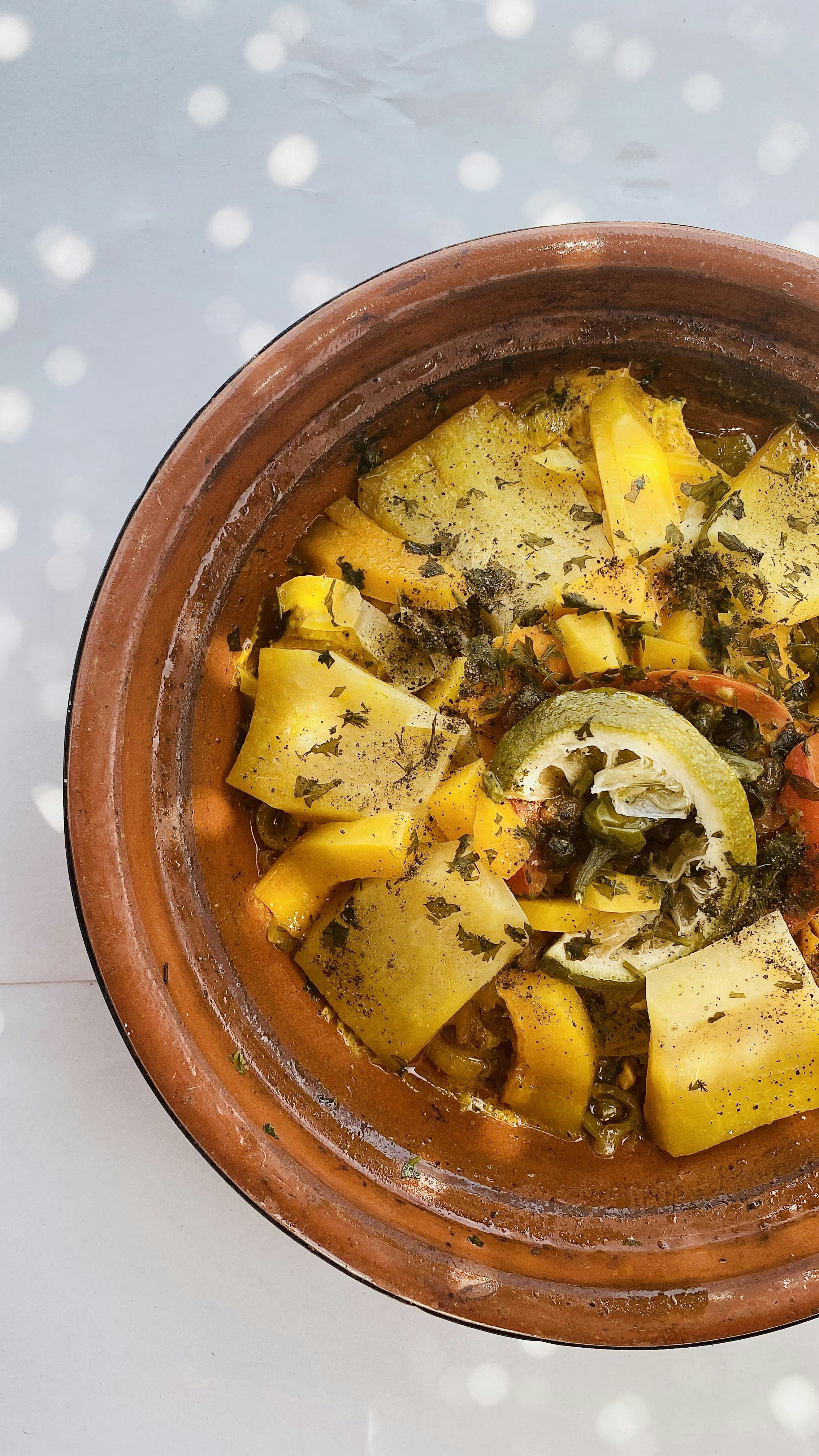
The aesthetic presentation of a Moroccan vegetable tagine is integral to the dining experience, significantly enhancing its allure. When creating this dish, the vibrant colors of the fresh ingredients play a pivotal role in captivating onlookers and tantalizing their senses. A variety of vegetables such as bright orange carrots, deep green zucchini, and rich red bell peppers come together harmoniously to form a visually appealing medley that is nothing short of a feast for the eyes. The inclusion of spices, such as turmeric and paprika, not only contributes to flavor but also intensifies the color palette, resulting in a dish that beckons to be savored.
Serving the tagine in a traditional earthenware pot further elevates its visual impact. These pots, known as tagines, are not merely cooking vessels but also stylish serving dishes that emphasize the cultural roots of the recipe. The conical lid of the tagine captures moisture and aroma, but the earthy tones of the clay also provide a delightful contrast to the colorful vegetables, enhancing the dish’s overall presentation. For gatherings and dinner parties, this traditional serving method adds an inviting rustic charm, instantly drawing guests’ attention once placed at the center of the table.
Moreover, the finishing touches with fresh herbs and edible flowers can substantially boost the dish’s visual appeal. Sprigs of cilantro or parsley sprinkled atop the tagine function as an excellent garnish, punctuating the vibrant colors below while providing a fresh contrast. The addition of lemon wedges not only brings a burst of citrus that complements the dish but also serves as a beautiful accent against the backdrop of the tagine. These thoughtful presentation choices serve to enhance the overall dining experience, making every meal with Moroccan vegetable tagine memorable and exquisite.
Health Benefits
The Moroccan vegetable tagine is not only a delicious dish but also a nutritional powerhouse, thanks to its rich array of ingredients. One of the key components is chickpeas, which are an excellent source of plant-based protein and dietary fiber. These legumes help in maintaining digestive health and contribute to a feeling of fullness, which can be beneficial for weight management. Additionally, chickpeas are packed with essential vitamins and minerals such as iron, magnesium, and folate, which support overall well-being.
Vegetables used in this tagine, such as carrots, zucchini, and bell peppers, are also known for their health benefits. Carrots are high in beta-carotene, which the body converts into vitamin A, crucial for maintaining healthy vision and immune function. Zucchini provides hydration and is low in calories, making it an excellent choice for those looking to add volume to their meals without excess calories. Bell peppers are rich in vitamin C, an antioxidant that strengthens the immune system and promotes healthy skin.
Another important aspect of the Moroccan vegetable tagine is its spices, which go beyond flavor to provide various health benefits. For instance, turmeric contains curcumin, a compound known for its anti-inflammatory properties. Similarly, cumin not only enhances the aroma of the dish but also contains antioxidants that may help in improving digestion and boosting immunity. Coriander is yet another spice that is thought to aid in detoxification and promotes healthy blood sugar levels.
Incorporating these nutrient-dense ingredients into your diet through the Moroccan vegetable tagine not only offers a symphony of flavors but also supports a balanced and healthful lifestyle. This dish embodies the notion that eating well can be both nourishing and enjoyable.
Serving Suggestions
When it comes to savoring a delicious homemade Moroccan vegetable tagine, the manner of serving can greatly enhance its flavors and the overall dining experience. One of the classic pairings is couscous, which is a staple in Moroccan cuisine. The light, fluffy grains absorb the aromatic spices and rich sauce of the tagine, creating a harmonious balance of textures and flavors. Preparing couscous is simple: just steam the grains and fluff them before serving, allowing them to act as a perfect canvas for the vibrant stew.
Another delightful option is to serve the tagine with crusty artisan bread. This bread not only complements the immersive experience of enjoying the tagine but allows diners to soak up the sumptuous sauce with each bite. Choose a rustic country loaf or a traditional Moroccan khobz to stay authentic, enhancing the meal with every dip and scoop.
When it comes to sides, consider incorporating a fresh, tangy salad to cut through the richness of the tagine. A simple salad made with romaine lettuce, tomatoes, cucumbers, and a lemon vinaigrette can add a refreshing contrast to the dish. Additionally, serving some spiced olives or a selection of pickled vegetables can elevate the meal, providing bursts of flavor that echo Moroccan culinary traditions.
In terms of beverages, a Moroccan mint tea is a quintessential pairing that can beautifully complement the spices of the tagine. Alternatively, a light-bodied red wine or a crisp white, like Sauvignon Blanc, can also complement the dish well. These suggestions aim to create a cohesive dining experience, allowing diners to fully appreciate the flavors that a Moroccan vegetable tagine offers.
Storage and Leftovers
Proper storage of Moroccan vegetable tagine is essential to maintain its flavors and textures. After preparing the dish, allow it to cool to room temperature before storing. This helps prevent condensation, which can lead to unwanted moisture buildup. The tagine can be kept in an airtight container for up to three to four days in the refrigerator. If you anticipate not consuming the leftovers within this timeframe, consider freezing them for longer preservation. A properly sealed container or a freezer-safe bag ensures that the tagine can remain in optimal condition for up to three months in the freezer.
When reheating, it is crucial to do so gradually. The most effective method is to transfer the tagine to a pot and warm it over low to medium heat on the stove. This approach allows the dish to reheat evenly, helping to retain the nuances of its flavor profile. Stir occasionally to prevent sticking and ensure that the vegetables warm through without becoming mushy. Alternatively, the tagine can be reheated in the microwave for convenience. It is advisable to cover the container with a microwave-safe lid or wrap to retain moisture. Heat for one to two minutes, then check and stir to avoid hot spots, continuing in short intervals until the desired temperature is reached.
Interestingly, leftovers from a Moroccan vegetable tagine tend to enhance in flavor as they age. The spices and herbs used in the dish will have a chance to meld further, leading to a rich, complex taste experience. While the fresh version offers vibrant notes, the leftovers can provide a different but equally enjoyable culinary journey. Thus, even after the initial meal, you can look forward to relishing the evolved flavors in subsequent servings.
Tips for Perfecting Your Tagine
Creating the perfect Moroccan vegetable tagine is an art that requires attention to detail and an understanding of ingredient interactions. One essential tip is to choose the freshest vegetables available, as the quality of ingredients directly influences the dish’s flavor profile. Root vegetables like carrots, potatoes, and parsnips work exceptionally well, while seasonal vegetables can introduce a delightful variation to traditional recipes. If you’re unable to find specific ingredients, consider suitable substitutions; for example, zucchini can replace eggplant, maintaining the dish’s integrity while accommodating personal preferences.
Another important aspect of tagine preparation is the balance of spices. The traditional Moroccan spice blend often includes cumin, coriander, and cinnamon, but adjusting these spices to match your taste is encouraged. If you enjoy a milder flavor, reduce the cumin and cinnamon, or alternatively, enhance the heat with a pinch of cayenne pepper. Always remember to taste as you cook; this will help you identify when the flavors need more depth or adjustment.
When assembling your tagine, layering vegetables properly is crucial. Denser vegetables should be placed at the bottom, while quicker-cooking ingredients can go on top. This ensures an even cooking process, allowing flavors to meld beautifully. If you encounter cooking issues such as uneven cooking or burning, consider adjusting the heat level. Cooking on low to medium heat allows the ingredients to slowly simmer, enhancing their flavors without risking the integrity of the vegetables.
Lastly, after cooking, let the tagine rest for a few minutes before serving. This short resting period allows the flavors to settle, resulting in a more harmonious dish. With these tips in mind, you are well-equipped to create a flavorful Moroccan vegetable tagine that showcases the vibrant essence of this cuisine.