
Introduction
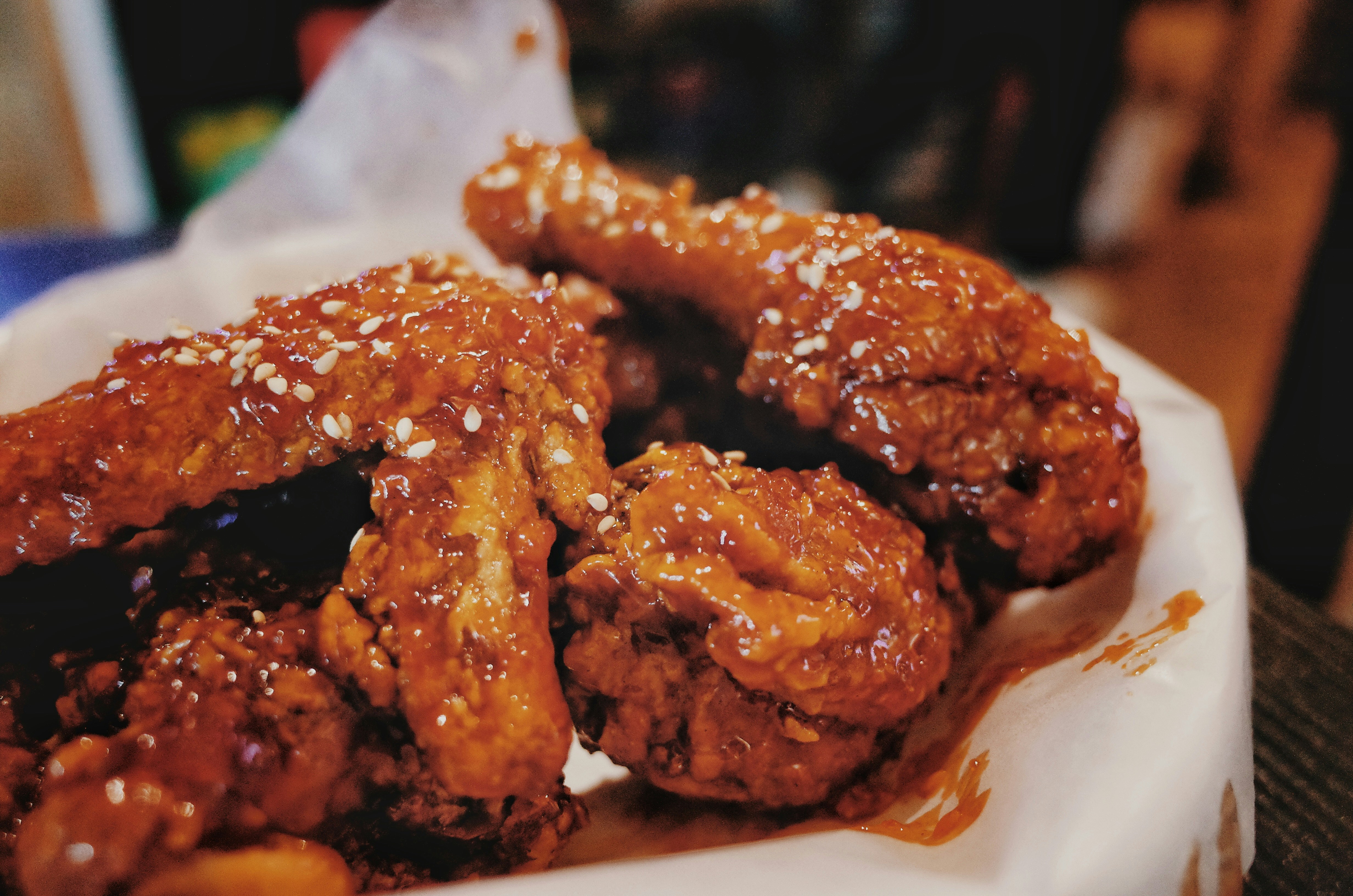
Korean fried chicken has gained international recognition for its unique preparation and exceptional flavor. Renowned for its ultra-crispy texture, this dish distinguishes itself from traditional fried chicken through a double-frying process that results in a lighter, crunchier coating. Each piece is not only visually appetizing but also delivers a satisfying crunch with every bite, making it a favorite among food enthusiasts. The key to the delightful experience of Korean fried chicken lies in its array of bold sauces, particularly the sweet and spicy gochujang glaze, which adds a vibrant twist to this beloved dish.
In this recipe, we will explore a homemade version of Korean fried chicken that perfectly captures the essence of this culinary gem. The gochujang sauce, made from a fermented chili paste, melds sweetness with spiciness, creating an irresistible flavor profile that compliments the crispiness of the fried chicken. This combination makes for an excellent quick dinner idea that can be enjoyed by family and friends, invoking the tastes and sensations of Korea in the comfort of your home.
Whether you are a seasoned cook or preparing to embark on your culinary journey, this recipe offers a straightforward approach to achieving that restaurant-quality depth of flavor. The process may seem intricate, but with the right techniques and a dash of enthusiasm, you will find that preparing Korean fried chicken can be both manageable and rewarding. Gather your ingredients, and prepare to delight your taste buds with this crispy and flavorful dish that exemplifies the heart of Korean cuisine.
Why This Recipe Works
This Korean fried chicken recipe stands out due to its unique cooking techniques and the balance of flavors that characterize authentic Korean cuisine. One of the most effective methods employed in this recipe is the double-frying technique, which is crucial for achieving that coveted light and crispy crust. The first fry cooks the chicken through, while the second fry is responsible for creating an extra crunch that enhances the texture and overall eating experience. This method not only ensures that the chicken remains juicy on the inside but also results in a golden, crispy exterior that is highly appealing.
The double-frying technique is widely used in Korean cooking, as it allows the chicken to develop a distinct texture, setting it apart from other fried chicken preparations. By frying the chicken twice, the moisture is sealed in during the first fry, and the second fry crisps up the coating without burning it. This technique mimics the traditional styles that can be found in popular Korean fried chicken establishments, making it possible for home cooks to recreate that same restaurant-quality experience.
Moreover, the gochujang sauce plays an essential role in enhancing the flavor profile of the dish. This sauce, which is a staple in Korean cuisine, combines the heat of red chili pepper paste with a subtle sweetness, creating a perfect balance that tantalizes the palate. The sweet and spicy notes of gochujang complement the crispy chicken, while offering a depth of flavor that is both satisfying and addictive. The combination of the crunchy fried chicken texture with the rich, flavorful glaze not only elevates the dish but also reflects the diverse and vibrant nature of Korean culinary traditions. Such careful attention to technique and flavor balance is what makes this recipe particularly successful and enjoyable for those seeking the authentic taste of Korean fried chicken.
Ingredients
To create a delectable crispy Korean fried chicken, you will need a combination of fresh ingredients that work harmoniously together. Below is a detailed list of the essential components.
Chicken: Start with 2 pounds of bone-in, skin-on chicken pieces, including wings, thighs, or drumsticks. The skin is vital for achieving that desired crispiness. If you prefer a healthier option, you can substitute with skinless chicken, but be mindful that it may not provide the same crunchy texture.
Marinade: To infuse the chicken with flavor, prepare a marinade consisting of 1 cup of buttermilk. This is essential for tenderizing the chicken. If buttermilk is unavailable, you can create a substitute by mixing 1 cup of milk with 1 tablespoon of vinegar and letting it sit for 10 minutes. Add 1 teaspoon of garlic powder and 1 teaspoon of ginger powder for additional flavor.
Seasonings: For the crispy coating, combine 1 cup of all-purpose flour, ½ cup of cornstarch, 1 teaspoon of salt, and ½ teaspoon of black pepper. The cornstarch is critical as it contributes to the overall crunchiness of the chicken. You can replace all-purpose flour with gluten-free flour if needed.
Gochujang Glaze: To achieve that signature sweet and spicy flavor, gather the following ingredients: ½ cup of gochujang (Korean chili paste), ¼ cup of honey, 2 tablespoons of soy sauce, and 1 tablespoon of sesame oil. If you prefer a milder glaze, opt for less gochujang and adjust according to taste. For the honey, maple syrup can serve as a vegan alternative.
These ingredients form the foundation of your crispy Korean fried chicken. Proper sourcing of fresh chicken and quality gochujang will significantly elevate the dish’s flavor profile, ensuring a delightful culinary experience.
Step-by-Step Instructions
To create the delicious crispy Korean fried chicken, begin by preparing the chicken. Select bone-in chicken pieces such as wings, drumsticks, or thighs, as these provide the best flavor and moisture. Rinse the chicken pieces under cold water and pat them dry with paper towels. This minimizes moisture, allowing for a better crispy texture when fried.
Next, season the chicken generously with a mix of salt, pepper, garlic powder, and onion powder. Allow the chicken to marinate for at least 30 minutes, or ideally, several hours in the refrigerator. This step enhances the chicken’s flavor profile and prepares it for optimal frying.
While the chicken is marinating, prepare the batter by mixing cornstarch and flour in a bowl. A common ratio is two parts cornstarch to one part flour, as this will contribute to an exceptional crunchiness. In a separate bowl, whisk together water and an egg, creating a smooth batter. Combine the two mixtures until you reach a consistency that nicely coats the chicken without being overly sticky.
When ready to fry, heat oil in a deep skillet or fryer to a temperature of 350°F (175°C). Carefully add the chicken pieces to the hot oil in small batches. Fry the chicken for about 10-12 minutes, turning occasionally to achieve an even golden color and ensuring the internal temperature reaches at least 165°F (74°C).
Once cooked, remove the chicken from the oil and let it rest on a wire rack or paper towels to drain excess oil. In the meantime, prepare the sauce, which typically consists of gochujang, honey, soy sauce, and garlic, combining them in a small saucepan over low heat until well integrated. Toss the fried chicken in the sauce to coat it liberally, ensuring each piece is deliciously enveloped in the sweet and spicy mixture, thus elevating the flavors further.
Image Gallery
Our image gallery presents a visual journey through the process of creating the perfect crispy Korean fried chicken. Each image captures a specific moment, showcasing the meticulous techniques that lead to an irresistibly crunchy exterior with savory and spicy flavors.
The first image highlights the freshly seasoned chicken, marinated in a blend of traditional Korean spices. The vibrant colors of the cayenne pepper and garlic, combined with the glistening sesame oil, promise a flavor-packed experience. Attention to detail in this early stage is crucial; it sets the foundation for achieving that desired crunch.
The next set of images depicts the sizzling frying process. As the chicken pieces are carefully dropped into the hot oil, bubbles form around them, indicating the fry temperature is just right. Capture the moment when the chicken begins to turn golden brown – a sign that it’s reaching that delectable crispness. This stage is all about timing; allowing enough cooking time without overcooking is essential for perfect texture.
Following the frying, another image showcases the chicken being drained of excess oil. This crucial step assures that the final dish is light and not overly greasy, enhancing the crispy quality of the coating. Adorn the crispy pieces on a serving plate, and we transition to the final gallery image which gloriously presents the beautifully plated dish. Adorned with sesame seeds and a sprinkle of green onions, the fried chicken is visually appealing and tantalizing.
Each of these images depicts not just a single step but a part of a culinary tradition, celebrating the art of crispy Korean fried chicken. The imagery serves as a guide for aspiring cooks, emphasizing the rich visuals that embody this delightful dish. This collection invites viewers to appreciate the detailed process that makes this chicken a beloved favorite.
Tips for Perfect Korean Fried Chicken
Achieving the perfect crispy Korean fried chicken requires meticulous attention to detail and adherence to essential techniques. One of the most crucial aspects of this recipe is the oil temperature during frying. For optimal results, maintain the oil temperature between 320°F and 350°F (160°C to 180°C). If the oil is too hot, the exterior may burn before the chicken cooks through; conversely, if it is too cool, the chicken can become greasy and soggy. A kitchen thermometer can ensure accuracy, enabling consistent results.
Another vital component of Korean fried chicken is the batter, which contributes to its signature crunch. Traditionally, a combination of all-purpose flour and cornstarch is used, as the cornstarch aids in achieving an extra crispy texture. For enhanced flavor, consider adding a pinch of garlic powder and onion powder to the batter. This subtle seasoning can significantly elevate the overall taste experience.
The gochujang sauce is where the magic truly happens. Experimentation with its ingredients can yield various flavor profiles. A basic gochujang sauce consists of the pepper paste, honey, soy sauce, rice vinegar, and sesame oil. However, personalizing this sauce by adjusting the sweet and spicy elements can cater to individual tastes. Adding more honey will amplify sweetness, while incorporating additional gochujang can heighten the heat. Balance the flavors according to your preferences for a customized dipping experience.
When serving Korean fried chicken, consider traditional accompaniments such as pickled radishes or sliced cucumbers. These fresh elements can enhance the overall dish by providing a crunchy contrast to the fried chicken. Additionally, serving the chicken with a side of chilled beer can embody the classic Korean dining experience, further complementing the delightful crunch and flavors of this beloved dish. By following these tips and incorporating variations, one can achieve a truly memorable Korean fried chicken that stands out in flavor and texture.
Serving Suggestions
When it comes to serving Korean fried chicken, presentation and complementary flavors play a vital role in enhancing the overall dining experience. A visually appealing plate can awaken one’s appetite and set the tone for the meal. Begin by arranging the crispy Korean fried chicken in a large serving dish or on individual plates, ensuring that the glistening, golden-brown exterior is prominently displayed.
To elevate the presentation, consider garnishing the chicken with finely chopped scallions or sesame seeds. These simple additions not only add a burst of color but also introduce subtle flavor notes that enhance the dish. For an extra touch of freshness, you might include a handful of fresh herbs such as cilantro or mint, which can cut through the richness of the fried chicken.
In addition to appropriate garnishes, the choice of side dishes can significantly influence the enjoyment of the meal. Traditional accompaniments include pickled radish, which offers a refreshing contrast to the spiciness of the chicken. A simple cucumber salad with a light vinaigrette can also provide a crunchy texture and balance the dish. For those seeking heartier options, serving the chicken alongside steamed rice or bibimbap (a mixed rice dish) can create a complete and satisfying meal.
For dipping sauces, consider offering a variety that complements the sweet and spicy flavors of the chicken. A soy garlic sauce or a spicy gochujang-based sauce can be excellent choices. Thus, the interplay of flavors and textures creates an engaging culinary experience, making the meal memorable for all who partake. Enhancing your Korean fried chicken with thoughtful garnishes and side dishes will not only delight the senses but also showcase the care and attention put into the meal’s preparation.
Storage and Reheating
Proper storage and reheating techniques are essential for preserving the quality and flavor of your crispy Korean fried chicken. Once you’ve enjoyed your meal, it’s imperative to allow the chicken to cool down to room temperature before storing it. This step helps avoid condensation that can make the coating soggy. Place the leftover chicken in an airtight container or wrap it tightly in aluminum foil to maintain freshness and prevent the chicken from absorbing odors from the fridge.
It is advisable to consume refrigerated fried chicken within three days for the best taste and texture. For longer storage, consider freezing the chicken. Freezing is an effective way to keep your dish longer; ensure you wrap each piece in plastic wrap or aluminum foil before transferring it into an airtight container or freezer bag. When stored properly, your crispy fried chicken can last up to three months in the freezer.
When it comes to reheating, the goal is to revive that delightful crunch while ensuring the chicken is heated thoroughly. Avoid using a microwave, as this can lead to a loss of crispiness. Instead, opt for an oven or an air fryer to reheat your chicken. Preheat your oven to 375°F (190°C), and place the chicken on a baking sheet lined with parchment paper. Reheat for about 10-15 minutes or until it reaches an internal temperature of 165°F (74°C). If you are using an air fryer, set it to 350°F (175°C) for similar reheating times, allowing the chicken to regain its coveted crunch.
By following these storage and reheating guidelines, you can enjoy the delectable taste and texture of your Korean fried chicken even on the following days, ensuring it remains a delightful dish to relish.
Conclusion
In conclusion, this Crispy Korean Fried Chicken recipe presents an exceptional option for any home cook looking to expand their culinary repertoire. The remarkable balance of flavors, combined with the irresistible crunch, not only highlights the essence of Korean cuisine but also elevates the traditional concept of fried chicken to new heights. The sweet and spicy glaze adds a unique twist that is sure to please a wide range of palates, making it a beloved dish for both family gatherings and casual evenings at home.
Moreover, the recipe’s flexibility allows for customization, encouraging cooks to explore different flavor profiles and ingredients. Whether opting for additional spices, varying the level of sweetness, or even incorporating unique side dishes, the preparation can easily be tailored to suit personal preferences. This hands-on approach enables chefs of all skill levels to express their creativity in the kitchen, resulting in a delicious family meal or an impressive dish for entertaining guests.
We invite readers to engage with this recipe and share their experiences and variations in the comments section below. Your insights could inspire others on their culinary journey, showcasing the diverse ways in which this Korean fried chicken can be enjoyed. The beauty of food lies in its versatility, and experimenting with different ingredients can lead to delightful discoveries. Embrace the challenge, and enjoy the process of making this crunchy and flavorful dish that is sure to impress!