
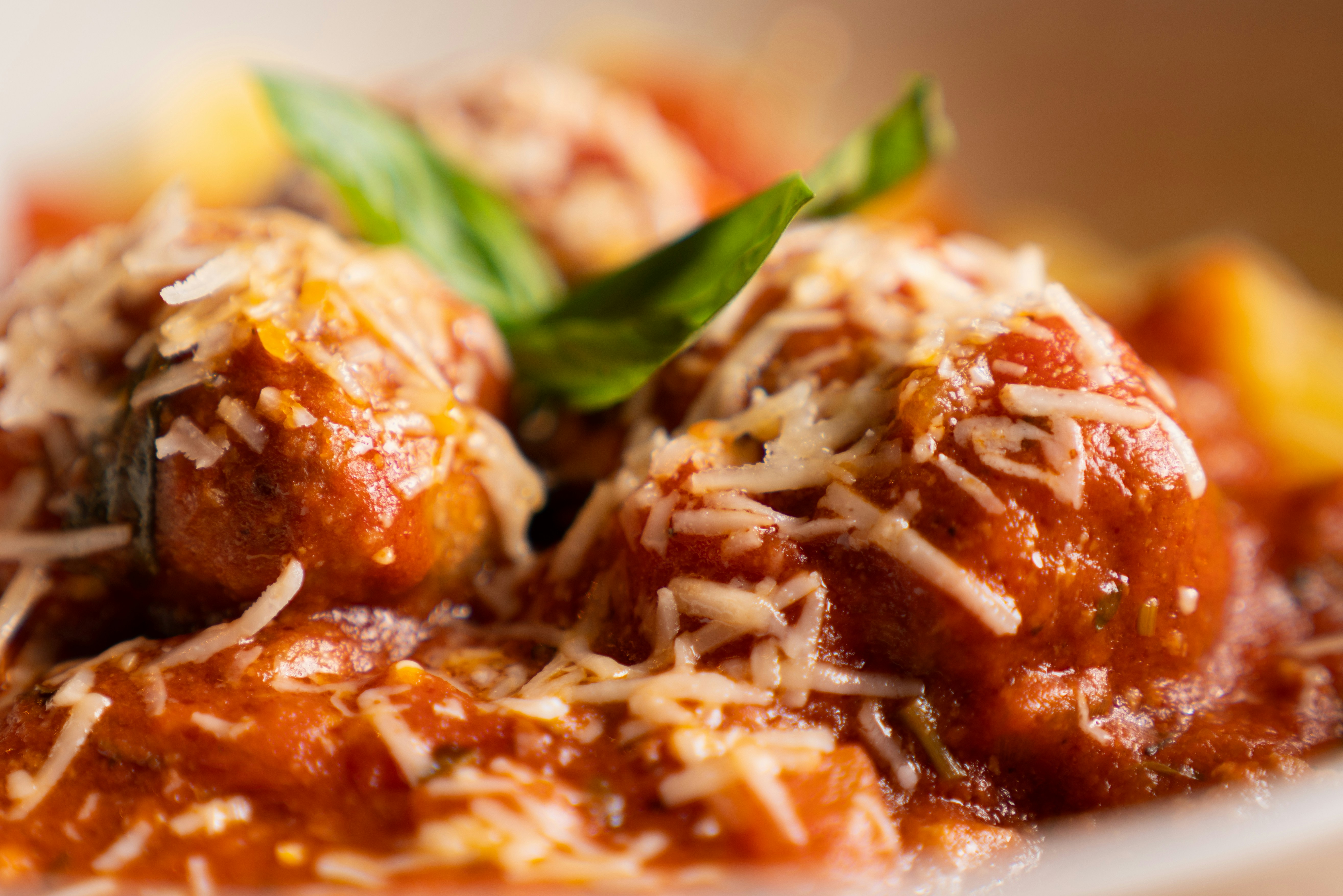
Introduction to Galbi Jjim
Galbi jjim is a treasured dish that holds a special place in Korean cuisine, distinguished by its tender braised beef short ribs. This traditional recipe embodies a rich blend of flavors from a variety of ingredients, including soy sauce, garlic, and sesame oil, which come together to create a savory and aromatic experience. The term “galbi” translates to “ribs” in Korean, while “jjim” refers to the cooking method of braising, highlighting the technique that results in the dish’s delectable tenderness and flavors that permeate the meat.
Beyond its culinary merits, galbi jjim carries cultural significance in Korean society. It is often served during festive occasions, family gatherings, and celebrations, making it synonymous with warmth and togetherness. The careful preparation and cooking process, along with the dish’s sumptuous nature, make it a focal point at the dining table, inviting friends and family to share in a moment of joy. Celebrations such as birthdays, weddings, and holidays like Chuseok often feature galbi jjim, showcasing its status as not just a meal but a whole experience rich in tradition.
<pthe a="" alike="" and="" appealing="" as="" aspect="" at="" authentic="" balanced="" be="" being="" both="" chefs="" comforting="" communal="" continues="" cooking="" cooks="" creating="" crowd-pleaser,="" deeper="" delve="" dish="" dish.
Why This Recipe Works
The preparation of authentic Korean braised beef short ribs, known as galbi jjim, is a meticulous process that highlights both culinary technique and scientific principles. At the heart of this cherished dish is the method of slow braising, which is pivotal for achieving tender and flavorful results. Slow braising involves cooking meat at low temperatures for extended periods, allowing collagen and connective tissues to break down gradually. This process transforms the usually tough cuts of beef into tender morsels that melt in your mouth. The integrity of the meat is preserved, resulting in a juicier texture that is key to an exceptional galbi jjim experience.
Moreover, the slow cooking process enables the flavors of the marinade to infuse deeply into the meat. The rich, soy-based marinade, which typically includes ingredients such as garlic, ginger, and sesame oil, is essential in deepening the savory profile of the dish. Soy sauce not only contributes umami flavor but also aids in the caramelization process when heated, enhancing the overall taste through the Maillard reaction. This complex interplay between the ingredients and the cooking method is what distinguishes galbi jjim from other braised dishes.
In addition, slow braising allows excess fat to render away gradually, creating a more balanced dish that is savory without being overly greasy. The long cooking time also permits the vegetables, commonly included in galbi jjim, to soften and impart their flavors into the broth, balancing the richness of the beef. This harmonious blend of flavors and textures epitomizes why this recipe is beloved not only in Korean homes but also around the globe.
Ingredients Needed
To prepare an authentic Korean braised beef short ribs dish known as galbi jjim, it is essential to gather all necessary ingredients. This includes items for both the beef and its marinade, a selection of vegetables, and any optional garnishes. This comprehensive list will streamline your shopping process and ensure that you have everything at hand for a successful cooking experience.
For the beef, you will need 2 to 3 pounds of beef short ribs, preferably bone-in, which adds rich flavors as they cook. The marinade is crucial for flavor development and typically requires ½ cup of soy sauce, ¼ cup of sugar (preferably brown sugar for depth), and ¼ cup of mirin. Additionally, including 1 tablespoon of sesame oil enhances the aroma and gives a slight nuttiness to the dish. Do not forget to add 4 cloves of minced garlic, a 1-inch piece of grated ginger, and ground black pepper to your marinade for an extra flavor boost.
Next, turn your attention to vegetables. Commonly used are 2 medium-sized carrots, cut into large chunks, and 2 medium potatoes, also chopped into sizeable pieces. You may also incorporate one onion, sliced, as it will caramelize beautifully during cooking. Optional additions can include shiitake mushrooms, which offer an earthy taste, and daikon radish for added texture and flavor.
Finally, consider garnishing your galbi jjim before serving. Typically, this might consist of sesame seeds and chopped green onions. These ingredients create a visual appeal and provide an additional layer of flavor. Ensuring that you gather all these components will significantly contribute to the authenticity and richness of your galbi jjim.
Step 1: Preparing the Beef
To achieve the best flavors and textures in your Authentic Korean Braised Beef Short Ribs, or Galbi Jjim, the preparation of the beef is a crucial initial step. Begin by selecting quality beef short ribs, ensuring they have a good amount of marbling, which will enhance the richness of the dish. Before proceeding with any cooking, it is essential to trim any excess fat from the ribs. This can be accomplished by using a sharp knife to carefully cut away the thick layers of fat while leaving a modest amount to contribute to the overall flavor during the braising process.
After trimming, it is important to soak the beef short ribs in cold water for approximately 30 to 60 minutes. This soaking process helps to draw out any residual blood and impurities, resulting in a cleaner taste in the final dish. It is a common practice in Korean cooking that has a significant impact on the flavor profile, especially for dishes such as Galbi Jjim. Be sure to change the water once or twice during the soaking time for optimal results.
Once you have soaked the ribs, it is vital to thoroughly dry them with paper towels. This step is often overlooked but is critical for achieving a desirable sear during the cooking process. A dry surface on the beef allows for better caramelization, enhancing the overall depth of flavor in the braised dish. If the exterior of the beef is wet, it will steam rather than sear, resulting in a less appealing texture. By focusing on these initial preparations—trimming, soaking, and drying—you set the stage for a delicious and authentic Korean braised beef short ribs experience.
Browning the Beef
Browning the beef short ribs is a crucial step in preparing Galbi Jjim, as it significantly enhances the overall flavor and presentation of the dish. To begin the browning process, select a heavy-bottomed skillet or a Dutch oven, and heat it over medium-high heat. It is important to ensure that the cooking surface is hot enough to create a sear without cooking the meat through prematurely. This initial searing is vital for developing a rich, caramelized crust on the outside of the short ribs.
Before placing the beef in the skillet, pat the short ribs dry with paper towels. This step removes excess moisture, allowing for a better sear. If the meat is overly wet, it will steam rather than brown, resulting in diminished flavor and texture. Lightly season the ribs with salt and pepper to enhance the taste. Once the skillet is adequately heated, add a small amount of oil with a high smoke point, such as vegetable or canola oil, to facilitate even browning.
Carefully place the short ribs in the hot skillet, ensuring not to overcrowd the pan, as this can lower the temperature and lead to uneven browning. Allow the ribs to sear undisturbed for several minutes until they develop a rich, golden-brown crust. This Maillard reaction not only adds depth of flavor but also contributes to the appealing aesthetic of the finished dish. Once the desired coloration is achieved, turn the short ribs and repeat the process on all sides. Achieving a well-browned exterior is essential, as it ultimately enhances the taste profile of the final Galbi Jjim, creating a harmonious blend of flavors that respect the traditional Korean cooking methodology.
Step 3: Preparing the Sauce and Braising
To achieve a flavorful Korean braised beef short ribs dish, known as Galbi Jjim, it is essential to prepare a delicious sauce that complements the meat perfectly. Begin by combining traditional ingredients that form the base of the sauce, including soy sauce, sesame oil, mirin, sugar, garlic, and ginger. These components create a harmonious blend of savory, sweet, and aromatic flavors, critical for enriching the taste of the beef. Adjusting the quantity of each ingredient allows for customization based on personal taste preferences.
After mixing the sauce ingredients in a bowl, it’s time to incorporate your choice of vegetables. Common additions include sliced onion, carrots, and radish, which enhance the dish with added texture and flavor. Ensure to chop the vegetables into uniform pieces to facilitate even cooking. These vegetables not only absorb the savory essence of the sauce but also contribute to the overall nutrition of the dish.
Next, it is critical to braise the beef short ribs correctly. Begin by searing the meat in a large pot over medium-high heat. This initial step creates a Maillard reaction, developing a rich crust that locks in the beef’s juices. Once the short ribs are nicely browned, remove them from the pot and set them aside. In the same pot, add the prepared sauce and bring it to a gentle simmer, scraping the fond from the bottom to infuse further flavor into the sauce.
Return the short ribs to the pot and submerge them in the sauce along with the chopped vegetables. Cover the pot and reduce the heat to low, allowing the dish to simmer for several hours. This slow cooking process is crucial, as it ensures that the beef becomes fork-tender while absorbing the myriad of flavors from the sauce and vegetables. Monitoring the braising process occasionally helps to maintain the perfect balance between heat and moisture, resulting in a delectable final dish full of authentic Korean flavors.
Step 4: Serving the Dish
When it comes to presenting galbi jjim, the visual appeal can greatly enhance the dining experience. Serving the dish in a traditional Korean stone pot can add an authentic touch, allowing the richly braised beef short ribs to shine. Begin by carefully scooping the beef short ribs from the braising liquid, taking care to preserve their shape. Place them gently in the center of a large, shallow serving dish. The succulent meat, glistening with its savory sauce, should serve as the focal point.
To enhance the visual appeal, pour a generous amount of the braising liquid around the beef. The shimmering sauce, infused with flavors from soy sauce, garlic, and sesame oil, not only adds moisture but also creates a vibrant backdrop that highlights the tender ribs. It is often the case that the colors of the vegetables included in the braise—such as carrots, daikon radish, or potatoes—offer a delightful contrast against the meat.
Garnishing is a crucial step in elevating the presentation. Lightly sprinkle toasted sesame seeds over the short ribs to add texture and a nutty flavor. Additionally, finely chopped green onions can be scattered on top for a fresh and vibrant finish. These garnishes not only beautify the dish but also enhance its overall flavor profile.
Galbi jjim is typically served with steamed rice, which allows guests to enjoy the flavors of the dish fully as they soak up the pork sauce. Consider pairing it with banchan, traditional Korean side dishes such as kimchi or pickled vegetables, which provide a contrast to the richness of the braised beef. The combinations of textures and flavors can transform a simple meal into an exquisite culinary experience. In conclusion, the presentation and garnishments are just as essential as the dish itself, making every bite of galbi jjim unforgettable.
Tips for Making the Best Galbi Jjim
Achieving the perfect galbi jjim requires attention to detail and thoughtful consideration of various cooking methods and ingredient substitutions. One essential tip is to adjust the cooking time based on your stove type. For those using a gas stove, the cooking process may be faster compared to an electric stove. It is advisable to check the tenderness of the beef periodically, ensuring that it reaches the desired texture without overcooking. A fork or chopstick should easily pierce through the meat when it is properly braised.
Another common challenge is locating certain ingredients, such as Korean soy sauce or Korean pear, which are often key components in the braising process. If you can’t find Korean soy sauce, a substitute of a combination of regular soy sauce and sugar can yield a similar taste. Alternatively, for the Korean pear, you might consider using a regular pear or apple, which can impart a sweet balance to the dish, albeit with a slightly different flavor profile.
When preparing galbi jjim, marinating the short ribs beforehand can significantly enhance the flavor. Aim to marinate the meat for at least a few hours, or preferably, overnight if time permits. This allows the seasonings to penetrate deeply into the meat. After cooking, be mindful of storage; leftover galbi jjim should be stored in an airtight container in the refrigerator and can typically last for up to three days. To reheat, utilize lower heat on the stove or microwave, making sure to add a splash of water to maintain moisture and prevent drying out.
By considering these tips, home cooks can enjoy an authentically delicious galbi jjim that captures the essence of Korean cuisine.
Conclusion and Encouragement to Try
Cooking Authentic Korean braised beef short ribs, or galbi jjim, at home provides not only a culinary adventure but also a profound sense of satisfaction. The process of preparing this traditional dish allows you to immerse yourself in the rich flavors and vibrant aromas that characterize Korean cuisine. By following the steps outlined in the recipe, you will engage in a rewarding experience that combines the art of cooking with the joy of sharing a delightful meal with family and friends.
As you embark on this gastronomic journey, remember that galbi jjim is not only about the ingredients and techniques but also about personal expression. The beauty of this dish lies in its adaptability; feel free to adjust the flavors according to your preferences. You can experiment with adding your favorite vegetables, adjusting the level of spice, or incorporating various marinades to enhance the taste. Such customization ensures that each time you prepare this dish, it can reflect a unique interpretation of this Korean classic.
We encourage you to share your thoughts and experiences after trying this recipe. Connecting with fellow food enthusiasts can provide inspiration and foster a sense of community around the love of cooking. Whether it’s a success story, a creative twist you’ve implemented, or challenges you faced along the way, your feedback can enrich the broader conversation about Korean cuisine.
In conclusion, the experience of making galbi jjim at home promises joy and fulfillment, inviting you to savor not only the meal itself but all the memories created in the process. So, gather your ingredients, channel your inner chef, and relish the delightful journey of preparing this iconic dish!