
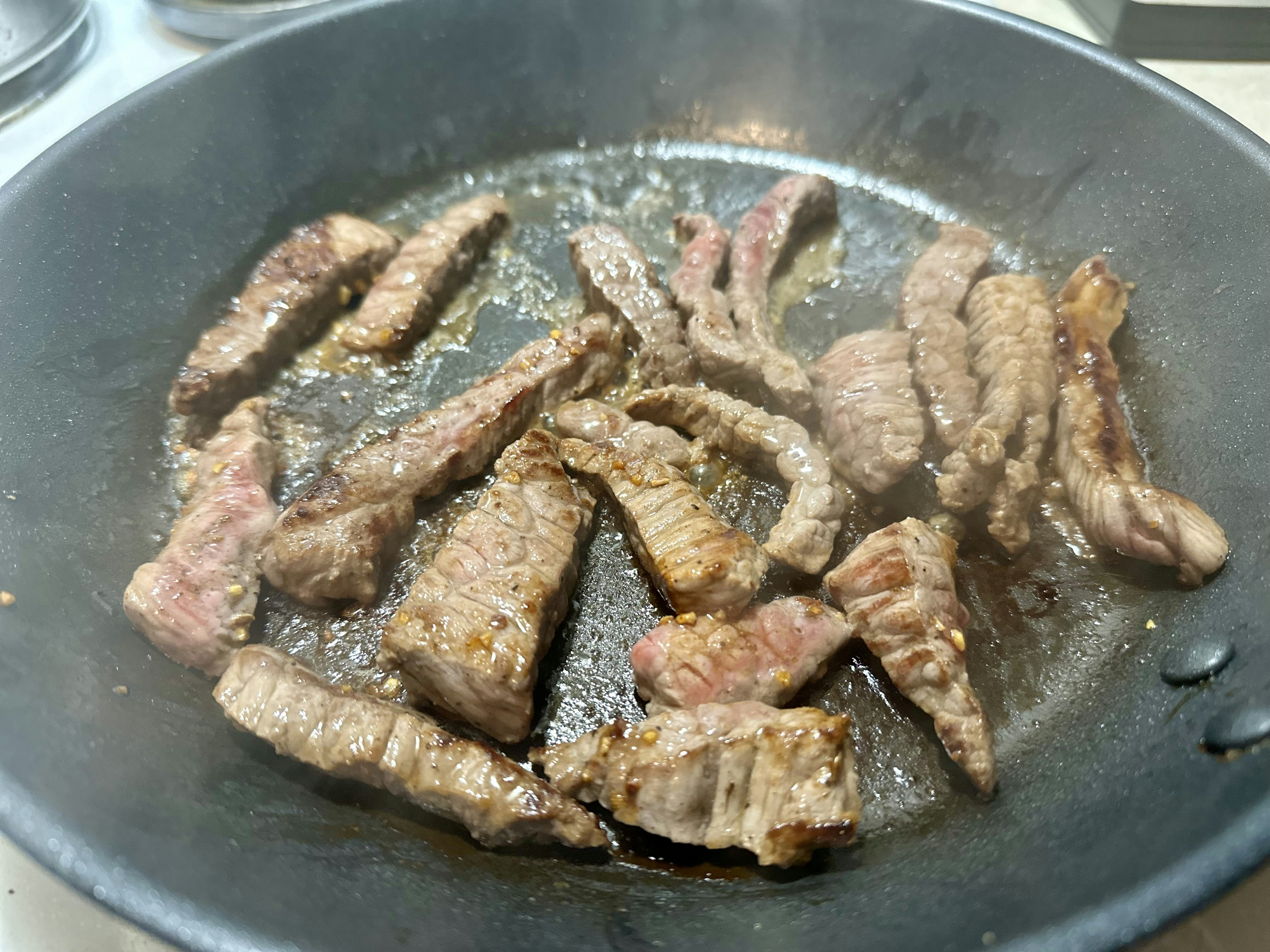
Introduction to Authentic Mexican Beef Fajitas
Mexican cuisine is celebrated worldwide for its rich flavors and vibrant colors, and among its numerous delights, beef fajitas stand out as a quintessential dish. Originating from the ranches of Texas and Northern Mexico, beef fajitas are not just a meal; they symbolize cultural heritage and the fusion of ingredients that represent the heart of Mexican cooking. The word “fajita” refers to the cut of meat used, traditionally skirt steak, which is marinated and then grilled to perfection, offering a combination of tenderness and bold flavor.
The authenticity of beef fajitas is derived from a careful selection of ingredients and cooking techniques. Key components such as fresh lime juice, garlic, and a medley of spices like cumin and chili powder create a marinade that infuses the beef with an unforgettable taste. In addition, the use of colorful bell peppers and onions not only adds depth to the flavor profile but also enhances the visual appeal of the dish. The sizzle of the meat on a hot skillet, paired with the aroma of grilled vegetables, creates a sensory experience that is both inviting and satisfying.
Despite their celebratory essence, beef fajitas are also a practical option for busy weeknights. They can be prepared in a short amount of time, making them family-friendly without sacrificing taste. By serving them with warm flour or corn tortillas, diners can customize their fajitas with toppings such as guacamole, salsa, or cheese, making each bite a unique culinary adventure. The ability to include a variety of ingredients ensures that this dish remains versatile, catering to diverse palates while maintaining its authentic roots in Mexican culinary tradition.
Why This Recipe Works
The success of authentic Mexican beef fajitas can be attributed to specific cooking techniques that not only enhance the dish’s flavor but also create an appealing texture essential for a satisfactory culinary experience. One key method is high-heat cooking, which serves to seal in the juices of the beef while allowing for quick cooking of vegetables. This technique is fundamental in preserving the beef’s tenderness and natural flavors. When beef is subjected to high temperatures, a Maillard reaction occurs, resulting in a beautifully caramelized exterior while keeping the interior juicy and flavorful. Similarly, a quick sauté of onions and bell peppers ensures they remain crisp, providing a delightful contrast to the tender meat.
Equally important is the marination of the beef with traditional Mexican spices. Marinating not only imparts a robust flavor profile but also helps to tenderize the meat due to the acid present in many marinade ingredients, such as lime juice or vinegar. This process allows the spices to penetrate the beef fibers, enriching each bite with depth and complexity. Key spices like cumin, chili powder, and oregano work synergistically to evoke the authentic flavors characteristic of Mexican cuisine. The aromatic qualities of these spices complement the natural taste of the beef, setting up an exquisite harmony that elevates the dish.
The combination of high-heat cooking and an effective marinade ultimately results in a restaurant-quality meal that can be effortlessly prepared at home. These techniques not only showcase the ingredients used but also maximize the overall enjoyment of the fajitas. Such an arrangement of flavors and textures is what makes this recipe stand out, proving that with the right approach, one can achieve culinary excellence in their own kitchen.
Ingredients You Will Need
To create authentic Mexican beef fajitas, it is essential to gather the right ingredients to ensure a flavorful experience. The ingredients can be divided into two categories: beef and marinade, and vegetables and garnishments.
Beef and Marinade
The star of the dish is the beef; typically, flank steak or skirt steak is used for its tenderness and flavor. Aim for about 1.5 to 2 pounds of these cuts, as they cook quickly and slice beautifully. For the marinade, you will need:
- Lime juice: The acidity in lime juice acts to tenderize the beef while imparting a zesty flavor.
- Olive oil: This helps to keep the beef moist while cooking.
- Garlic: Minced garlic will add depth with its aromatic qualities.
- Ground cumin: This warm spice complements the marinade, giving a distinctive taste.
- Chili powder: For a little heat, chili powder is a must, adding complexity without overwhelming the dish.
- Salt and pepper: Essential for basic seasoning, adjust to taste.
Vegetables and Garnishments
For a well-rounded fajita, a selection of vegetables and garnishments is necessary. The essential vegetables include:
- Bell peppers: A mix of red, green, and yellow bell peppers will offer a variety of flavors and colors.
- Onion: Sliced onions caramelize beautifully and add sweetness with each bite.
In terms of garnishments, consider adding:
- Fresh cilantro: Adds a refreshing herbaceous note when sprinkled on top.
- Avocado or guacamole: Provides creaminess to balance the spices.
- Salsa or Mexican crema: Optional but highly recommended accompaniments that enhance the overall flavor profile.
By preparing this comprehensive list, you will ensure that your authentic Mexican beef fajitas are packed with flavor and truly satisfying.
Step-by-Step Cooking Instructions
Preparing authentic Mexican beef fajitas involves several key steps that ensure maximum flavor and tenderness. Begin by selecting a high-quality cut of beef, such as flank steak or skirt steak, which are ideal for fajitas due to their rich taste. To start, marinate the beef for at least one hour, using a mixture of lime juice, oil, garlic, and spices such as cumin and chili powder. This marination process imparts essential flavors and helps to tenderize the meat.
Once the beef is marinated, it’s time to cook it. Preheat a skillet or grill over medium-high heat, ensuring it is sufficiently hot before adding the meat. This step is crucial as a hot cooking surface will create a beautiful sear on the beef, locking in its juices and flavors. Sauté the beef for around 5-7 minutes on each side, depending on the thickness, until it reaches your desired doneness, ideally medium-rare to medium.
While the beef is cooking, slice your vegetables, such as bell peppers and onions, into thin strips. After the beef is finished, remove it from the skillet and let it rest for a few moments before slicing. In the same skillet, add a little more oil if necessary and sauté the vegetables for about 5 minutes until they are tender and slightly caramelized.
After cooking the beef and vegetables, it’s time to assemble the fajitas. Warm flour or corn tortillas on a dry skillet for about 30 seconds on each side. This adds warmth and softness. Slice the rested beef against the grain into thin strips and distribute evenly on each tortilla, followed by a generous helping of the sautéed vegetables. You may also include toppings such as guacamole, sour cream, or fresh cilantro to enhance the flavors.
Pay attention to timing and temperature throughout the cooking process to achieve optimal results. The combination of the marinated, grilled beef and swiftly sautéed vegetables ensures a delicious dish that captures the essence of authentic Mexican flavors.