
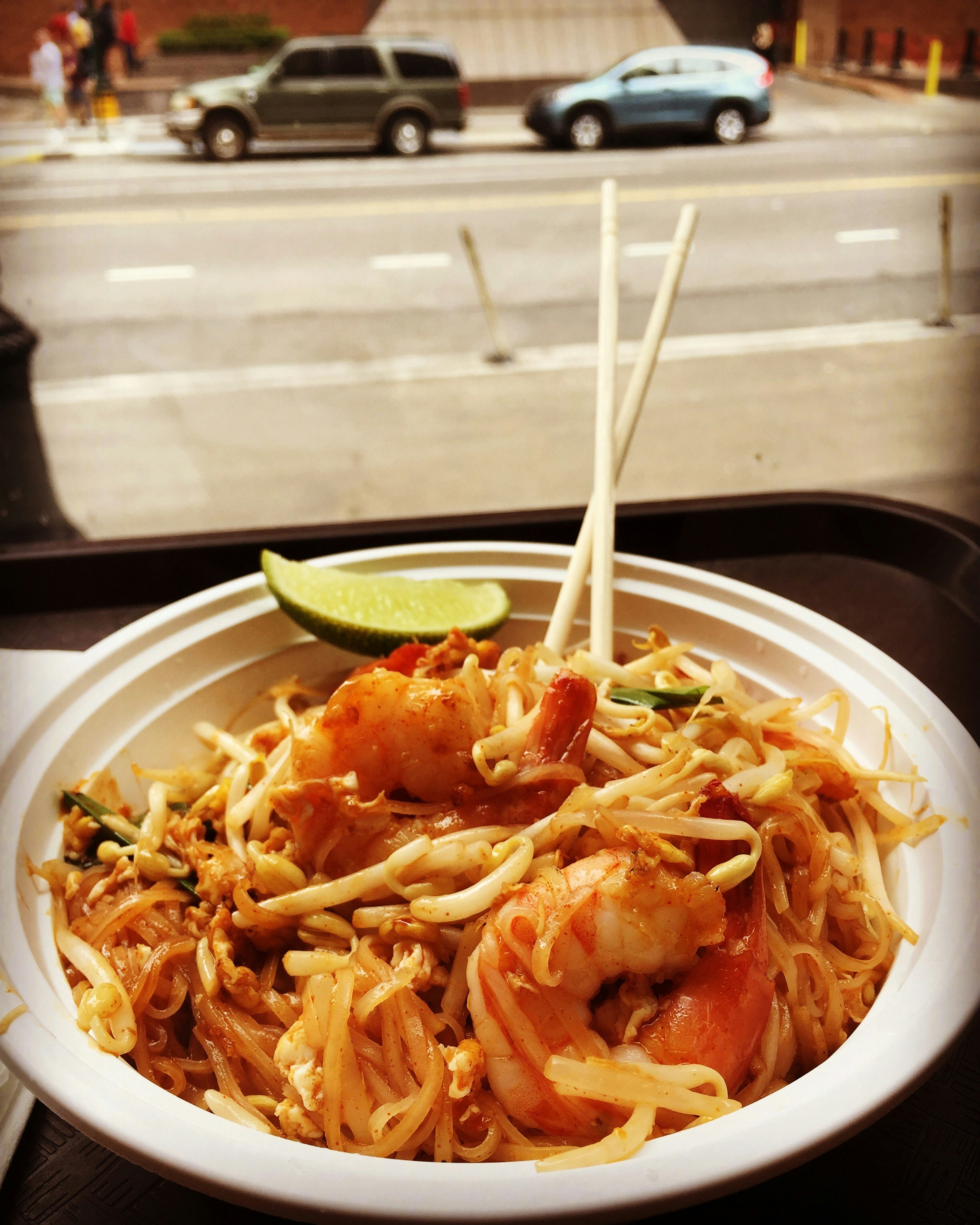
Introduction to Pad Thai
Pad Thai is not merely a meal; it is a culinary emblem that reflects the rich cultural fabric of Thailand. Originating in the 1930s during a national campaign to promote rice noodles, this beloved street food dish has since gained international acclaim for its unique blend of flavors and textures. Pad Thai typically features stir-fried rice noodles alongside an array of ingredients, such as tofu or shrimp, bean sprouts, peanuts, and a signature sauce that balances sweet, sour, savory, and umami notes.
The dish is renowned for its vibrant taste profile, which combines the tanginess of tamarind paste with the sweetness of palm sugar, intermingled with the savory depth of fish sauce. This harmonious medley is expertly complemented by the crunch of roasted peanuts and the freshness of lime and herbs. Making Pad Thai at home provides an excellent opportunity to explore these flavors and create a plate that is tailored to personal preferences while adhering to traditional practices.
Beyond its delightful taste, Pad Thai represents the spirit of communal eating prevalent in Thai culture. Often consumed from street vendors, it encapsulates the fast-paced yet convivial nature of street food. Preparing this dish in your own kitchen not only allows you to experience the joy of cooking but also brings a taste of Thailand’s culinary traditions to your dining table. As you embark on this journey to recreate Pad Thai, consider it an invitation to not only savor its flavors but also to connect with the culture that cherishes this dish. Each bite signifies a celebration of Thailand’s ingenuity, resourcefulness, and rich culinary heritage, making it a worthwhile endeavor for home cooks and food enthusiasts alike.
Why This Recipe Works
This authentic Pad Thai recipe stands out due to a combination of carefully selected techniques and ingredients that capture the essence of traditional Thai street food. At the heart of authentic Pad Thai preparation is the importance of cooking over high heat. This technique ensures that ingredients maintain their freshness, resulting in vibrant colors and distinct textures, which are essential for a captivating presentation and enjoyable eating experience.
One of the fundamental elements in this recipe is the use of tamarind paste. Tamarind contributes a unique tartness that balances the dish’s flavors, making it a critical component of authentic Pad Thai. The tangy flavor of tamarind pairs beautifully with the savory notes of fish sauce, another key ingredient that enhances depth. Fish sauce adds umami richness, crucial for achieving the signature taste that distinguishes Pad Thai from other stir-fried noodle dishes.
In addition to tamarind and fish sauce, palm sugar plays a significant role in achieving the perfect flavor balance. Its natural sweetness counteracts the acidity of tamarind while enhancing the overall dish’s complexity. Together, these ingredients create a harmonious interplay of sweet, sour, and savory flavors, an essential hallmark of authentic Thai cuisine. Furthermore, the recipe incorporates fresh vegetables, which not only add color but also contribute crunch and nutrition, ensuring that every bite is satisfying.
Key techniques, such as stir-frying quickly and utilizing high heat, enhance the dish’s qualities by preventing overcooking, which can lead to mushy noodles or wilted vegetables. This authentic Pad Thai recipe thus reflects a well thought out blend of ingredients and methods that respect the traditional approach, ensuring that anyone attempting it at home can enjoy an authentic culinary experience reminiscent of the vibrant streets of Thailand.
Ingredients Needed
Creating an authentic Pad Thai requires a careful selection of ingredients. To ensure you achieve the vibrant flavors synonymous with this iconic dish, it is essential to gather the following categories of ingredients: noodles, protein options, vegetables, sauce elements, and garnishes.
Noodles: The base of Pad Thai consists of rice noodles, typically thin and flat, which are traditionally soaked before cooking. For a classic texture, use approximately 8 ounces of dried rice noodles, ensuring they are of high quality to absorb flavors effectively.
Protein Options: Pad Thai can be customized with a variety of proteins. Common choices include shrimp, chicken, or tofu. For shrimp, select about 8 ounces of large shrimp (preferably tiger or black tiger shrimp) for their firm texture and rich taste. If opting for tofu, choose firm or extra-firm tofu (around 8 ounces) to retain its shape during cooking.
Vegetables: A medley of fresh vegetables adds both flavor and nutrition. Essential vegetables for Pad Thai include 1 cup of bean sprouts for crunchiness, ½ cup of chopped green onions for a subtle onion flavor, and a small handful of cilantro for a fresh herbaceous note.
Sauce Elements: To create the Pad Thai sauce, gather 2 tablespoons of tamarind paste, which is crucial for its tangy flavor. Additionally, you will need 3 tablespoons of fish sauce for umami depth, 1 tablespoon of sugar for sweetness, and a teaspoon of chili powder for a mild kick.
Garnishes: Finishing touches elevate the entire dish. Prepare crushed peanuts (about ¼ cup) for a crunchy garnish, and lime wedges for acidity, which complements the rich flavors beautifully.
When selecting the tamarind paste, look for a dark, thick consistency to ensure the authentic taste, and for shrimp, fresh, sustainably-sourced options are recommended. By carefully choosing quality ingredients, you will be well on your way to replicating the delightful experience of Pad Thai found on the bustling streets of Thailand.
Step-by-Step Instructions for Authentic Pad Thai
Preparing an authentic Pad Thai at home requires attention to detail and a proper sequence of steps. Begin by soaking 8 ounces of rice noodles in warm water for 30 to 45 minutes. This essential step ensures that the noodles are pliable and ready for frying. While soaking, you can gather the other ingredients, such as 8 ounces of shrimp (or tofu for a vegetarian option), 2 eggs, and various vegetables including bean sprouts, chives, and carrots.
Once the noodles are adequately soaked, drain them and set them aside. In a large skillet or wok, heat 2 tablespoons of vegetable oil over medium-high heat. When the oil is shimmering, add the shrimp or tofu, cooking for about 2 to 3 minutes until they are just cooked through. A visual cue is the shrimp turning into a pink hue; tofu should be slightly crispy on the edges. Next, push the shrimp to one side of the skillet and crack the eggs into the vacant space. Scramble the eggs for about a minute before incorporating them into the shrimp or tofu.
Next, add the drained rice noodles to the mix. Pour in a prepared sauce made from 3 tablespoons of fish sauce, 1 tablespoon of tamarind paste, and 2 tablespoons of sugar. This sauce is key to achieving that characteristic Pad Thai flavor. Toss the ingredients together using a spatula to ensure even coating without breaking the noodles. After a couple of minutes, when the noodles have absorbed the sauce and warmed through, add a handful of bean sprouts and chopped chives for both freshness and crunch.
Cook for an additional minute, stirring constantly. Once ready, serve the Pad Thai hot, garnished with crushed peanuts and a lime wedge on the side to enhance the dish’s flavor profile. Following this step-by-step guide carefully will allow you to recreate an authentic Pad Thai experience right in your kitchen, showcasing a beloved aspect of Thailand’s street food culture.