
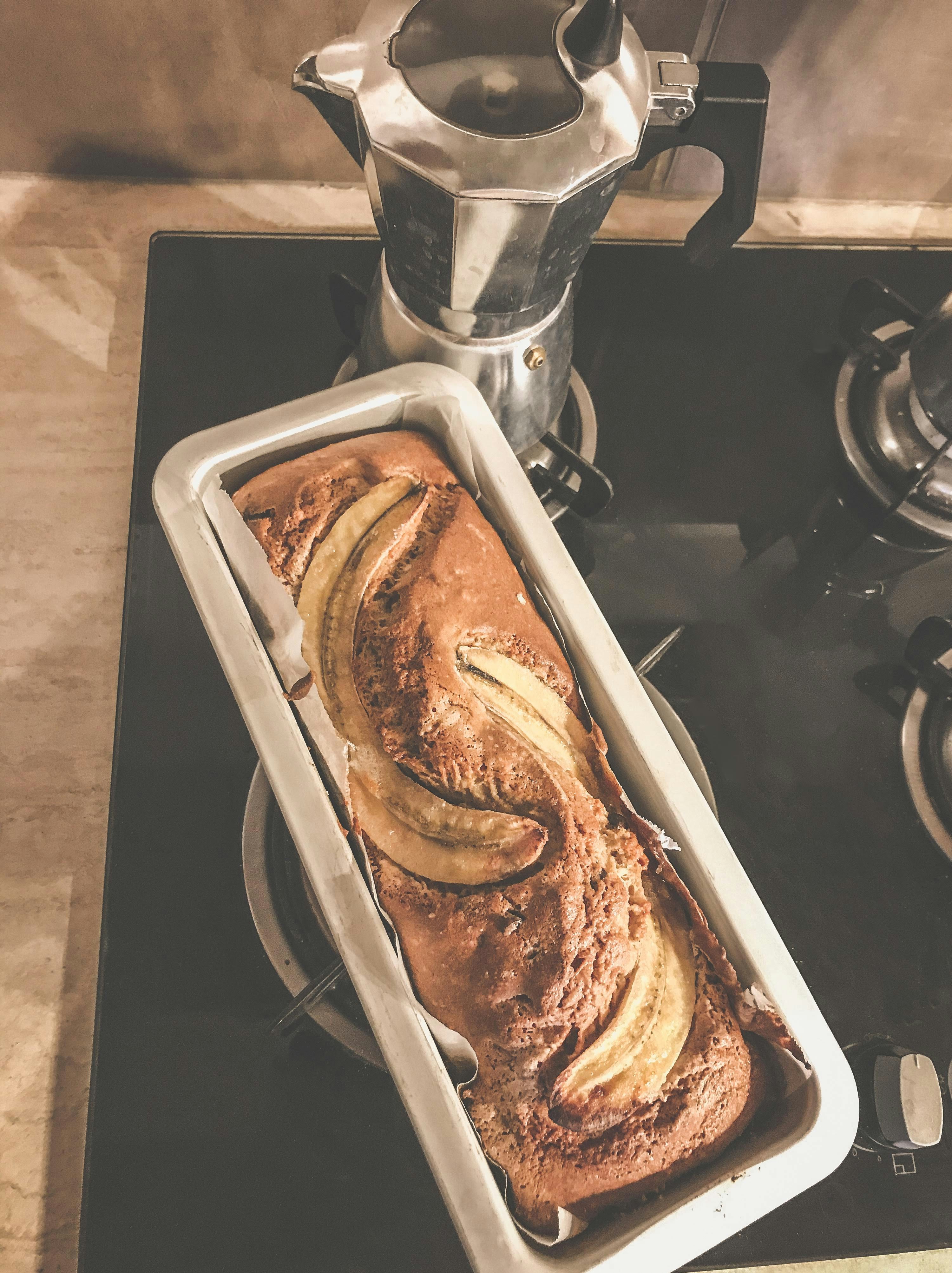
Introduction to Banana Bread
Banana bread, a beloved staple in American households, has its origins that date back to the 1930s, emerging during the Great Depression when baking and cooking required frugality. The evolution of this delightful quick bread can largely be attributed to the introduction of baking soda and powder, which allowed for simpler, quicker preparation methods compared to traditional yeast breads. Over the years, banana bread has grown in popularity, becoming a go-to recipe among home bakers, particularly for those seeking to utilize overripe bananas that might otherwise go to waste.
This moist and flavorful treat provides an enticing way to enjoy the nuances of ripe bananas, blending their natural sweetness with various enhancements like nuts, chocolate chips, or spices. As a versatile recipe, banana bread serves multiple purposes. It can be savored as a nutritious breakfast option, enjoyed as a wholesome snack, or even relished as a delightful dessert, making it a favorite across generations. The ease of preparation and adaptability of ingredients makes it exceptionally appealing to both novice and experienced bakers alike.
The allure of banana bread lies not only in its rich flavor and comforting texture but also in the memories and traditions it often evokes. Many families have their own cherished recipes passed down through the years, filled with personalized touches that reflect individual preferences and regional variations. This evolution has further diversified the ways people enjoy banana bread, allowing it to be tailored to suit various dietary needs or flavor profiles. In essence, banana bread has secured its place as a cherished component of American culinary culture, embodying both creativity and resourcefulness in the kitchen.
Why This Recipe Works
Banana bread is a classic treat favored by many, and the success of this particular recipe lies in a combination of carefully selected ingredients and baking techniques. One of the most crucial elements is the use of overripe bananas. As bananas ripen, their starches convert into sugars, resulting in a sweeter fruit that not only enhances the flavor but also contributes significant moisture to the batter. This moisture is essential for creating a tender and soft crumb, distinguishing great banana bread from drier alternatives.
In addition to the bananas, the incorporation of brown sugar and butter plays a vital role in enriching the overall profile of the bread. Brown sugar contains molasses, which not only infuses the banana bread with deep, caramel notes but also helps retain moisture. This ingredient merges seamlessly with butter, which adds fat that creates tenderness while contributing to the delicious richness that complements the natural sweetness of the bananas. The fat content from the butter also aids in achieving the desired texture, ensuring that each slice is both moist and flavorful.
A carefully curated spice blend can elevate this recipe even further, adding depth to the taste experience. Common spices such as cinnamon and nutmeg enhance the natural sweetness of the bananas and create a warm aroma that is incredibly inviting. The balanced use of these spices highlights the complexity of flavors, encouraging the taste buds to appreciate the layers present in every bite.
Overall, this banana bread recipe thrives on the science of baking, where each ingredient contributes significantly to the final product. The synergistic effects of overripe bananas, brown sugar, butter, and spices highlight how critical the right components are in achieving a moist and delectable loaf that embodies the timeless appeal of classic American banana bread.
Ingredients for Classic Banana Bread
To prepare a delicious and moist classic banana bread, you’ll need a selection of essential ingredients, each contributing to the overall flavor and texture of the final product. Here is a comprehensive list of those ingredients along with their quantities.
Firstly, the key ingredient is ripe bananas. You will require about 3 large ripe bananas, which should ideally be speckled with brown spots. The ripeness of the bananas is crucial, as they provide the natural sweetness and moisture that form the base of your banana bread.
Next, you will need 1/3 cup of melted unsalted butter. The butter adds richness to the bread and creates a tender texture. If a healthier alternative is desired, options such as applesauce can also be considered.
For the sweetness, incorporate ¾ cup of granulated sugar. However, this can be adjusted, depending on personal preference and the ripeness of the bananas used.
Next, you will need an egg, which acts as a binding agent and enriches the mixture. One large egg is sufficient for this quantity of ingredients.
In addition, 1 teaspoon of vanilla extract enhances the flavor profile, rounding out the sweetness of the bananas. You may also incorporate 1 teaspoon of baking soda to act as a leavening agent, ensuring a light and airy texture.
Finally, a pinch of salt is necessary to elevate the flavors, balancing the sweetness of the sugar and bananas. While optional, you may choose to add ½ cup of chopped walnuts for added texture or ½ teaspoon of ground cinnamon for a warm, spiced flavor. Both options enhance the complexity of the banana bread without overpowering the main ingredients.
Gather these ingredients for a successful start to your classic banana bread recipe. Understanding the role of each element will assist in crafting a moist and flavorful treat.
Preparing the Oven and Loaf Pan
Before embarking on your banana bread journey, it is crucial to prepare both the oven and the loaf pan adequately. The first step in this process involves preheating the oven to a temperature of 350°F (175°C). Preheating not only ensures that the banana bread starts baking at the right temperature but also promotes even cooking throughout, thereby enhancing the overall texture and moistness of the final product. Oven thermometers can be useful in confirming that the desired temperature is reached before placing the batter in for baking.
Next, focus on greasing the loaf pan, which plays an essential role in the successful baking of banana bread. A standard 9×5-inch loaf pan is ideal for this recipe, as it allows for proper expansion while baking. To grease the pan, you can use butter, vegetable oil, or non-stick cooking spray. Whichever option you choose, ensure that it is applied evenly across the bottom and sides of the loaf pan. This step is vital; it prevents the banana bread from sticking to the pan, making it easier to remove once baked. Additionally, you might consider lining the bottom of the pan with parchment paper after greasing, further aiding in the removal process.
Once the oven has reached the optimal temperature and the loaf pan is adequately prepared, you are well on your way to baking delicious banana bread. Take a moment to ensure that all your ingredients are measured accurately and ready for mixing. A well-prepared baking environment contributes significantly to achieving the perfect banana bread, characterized by its moistness and rich flavor.
Mixing the Wet Ingredients
To start crafting the perfect banana bread, the first step involves mixing the wet ingredients, which plays a crucial role in determining the bread’s final flavor and texture. Begin by selecting ripe bananas, as their natural sweetness and softness will greatly enhance the bread. Aim for two to three large bananas, placing them in a mixing bowl. Using a fork or a potato masher, thoroughly mash the bananas until they form a smooth, creamy consistency with only small lumps remaining. This method allows for even distribution of the banana flavor throughout the batter.
Next, introduce the melted butter to the mashed bananas. Ensure that the butter is not boiling hot, as this could cook the bananas, leading to an undesirable texture. Instead, let the melted butter cool slightly before adding it to the bowl. Gently mix the butter into the bananas until all ingredients are fully incorporated. This step contributes moisture and richness to the banana bread.
After combining the bananas and butter, it is time to add the sugars. Incorporate brown sugar, which adds a distinct caramel flavor that complements the bananas beautifully. Stir the mixture until the brown sugar is fully dissolved, ensuring a smooth blend. Following this, crack in the eggs, one at a time, mixing well after each addition. The eggs not only help bind the mixture but also enhance its moisture content, resulting in an ideal texture.
Finally, finish the wet ingredients by adding a teaspoon of vanilla extract. This ingredient infuses the banana bread with warmth and depth of flavor. Ensure that the entire mixture is smooth, as this consistency is vital for achieving a uniform batter that bakes evenly. With the wet ingredients expertly combined, you are now ready to move on to the subsequent steps in your classic banana bread journey.
Incorporating the Dry Ingredients
When preparing to make classic American banana bread, the integration of dry ingredients into the wet mixture is a critical step that influences the final texture and flavor of the baked good. To ensure that your banana bread remains moist and tender, it is important to handle the combination of ingredients with care, avoiding overmixing.
Begin by measuring out your dry ingredients, including all-purpose flour, baking soda, and salt. The precise measurements are essential as they affect the bread’s rise and structure. A common practice is to first whisk together these components in a separate bowl. This not only ensures even distribution of the baking soda and salt but also aerates the flour, further promoting a light and fluffy texture.
Once you have your dry ingredients combined, you may opt to enhance the flavor profile of your banana bread by incorporating ground cinnamon at this stage. Adding cinnamon can elevate the overall taste, imparting a warm and inviting aroma to the bread. If you choose to include this spice, a teaspoon will suffice, but feel free to adjust according to your preference.
Now, it’s time to combine the dry ingredients with the wet mixture, which typically consists of mashed ripe bananas, eggs, and melted butter. The key to achieving perfect banana bread is to sprinkle the dry mixture over the wet ingredients evenly. Using a spatula, gently fold the mixture together. This method of combining helps to prevent gluten development, which can lead to a dense and chewy texture. The goal is to only mix until the flour is just incorporated; some lumps are perfectly acceptable.
By following these guidelines during the incorporation of dry ingredients, you can ensure that your banana bread turns out moist and flavorful, capturing the essence of this classic American treat.
Adding Nuts for Extra Texture
Incorporating nuts into banana bread offers a delightful enhancement in both flavor and texture. Common choices such as walnuts or pecans can elevate the classic recipe, providing a satisfying crunch that beautifully contrasts the moistness of the bread. When adding nuts, it is generally advisable to chop them into smaller pieces to ensure even distribution throughout the batter. This will allow each slice to embrace the harmonious blend of banana and nutty flavors.
Walnuts bring a slightly bitter undertone that complements the sweetness of ripe bananas, while pecans offer a rich, buttery flavor. Both options can significantly enrich your classic banana bread, contributing to a more complex taste profile. For those who may be concerned about dietary restrictions or allergies, there are plenty of nut-free alternatives that also add texture. Some popular options include dark chocolate chips, shredded coconut, or even sunflower seeds. These alternative mix-ins not only prevent any potential allergic reactions but also introduce a unique twist on the traditional recipe.
When deciding to add nuts or other ingredients, it is important to consider personal preference and dietary needs. If you are uncertain, start with a small amount, roughly half a cup, and gradually increase based on your taste. Furthermore, this approach allows for experimentation with a variety of combinations, making each loaf a distinct experience. Ultimately, whether you opt for the classic nut addition or choose a nut-free alternative, the goal remains the same: to create a moist and flavorful loaf of banana bread that pleases the palate. Incorporating nuts or alternate ingredients can lead to a satisfying blend of flavors that elevates your banana bread to new heights.
Baking the Banana Bread
To begin baking your classic American banana bread, first, ensure that your loaf pan is properly prepared. Grease the pan with butter or a non-stick spray, ensuring that the entire surface is covered. Alternatively, you can line the pan with parchment paper for easier removal once the loaf has cooled. After preparing the pan, gently pour the banana bread batter into it, ensuring an even distribution to promote uniform baking.
Once the oven is preheated to the specified temperature, typically around 350°F (175°C), place the filled loaf pan in the center of the oven. This helps to achieve an even distribution of heat, which is crucial for baking a moist and flavorful banana bread. As the bread bakes, it is normal for it to rise and develop a golden-brown crust. Keep an eye on the baking process, as the aroma of the bananas will fill your kitchen, signaling that the bread is approaching completion.
To ensure that your banana bread is baked thoroughly, you will need to check for doneness around the 50-minute mark. Insert a toothpick or cake tester into the center of the loaf; if it comes out clean or with just a few moist crumbs attached, your banana bread is ready to be pulled from the oven. Conversely, if the toothpick comes out with wet batter, return the loaf to the oven and continue baking, checking in 5-minute intervals.
For an even bake, consider rotating the loaf pan halfway through the baking time, especially if your oven has hot spots. This simple adjustment can avoid uneven browning and ensure that every slice of your banana bread is both moist and flavorful. Once baked, allow the bread to cool in the pan for about 10 minutes before transferring it to a wire rack to cool completely.
Cooling and Storing the Banana Bread
Once your delicious banana bread has emerged from the oven, it is crucial to allow it to cool properly to enhance its texture and flavor. A common mistake many bakers make is slicing into the bread too soon, which may result in a gummy and unappealing interior. To prevent this, it is recommended that you allow the loaf to rest in the pan for about 10 to 15 minutes. This short period allows the bread to set, ensuring that it retains its shape better when removed from the pan.
After the initial cooling period, carefully invert the loaf onto a wire rack. This helps to cool the bread evenly and prevents it from becoming soggy, which can happen if it is left sitting in the pan. The wire rack provides adequate air circulation around the banana bread, preserving its moistness without creating condensation on the bottom. Aim to let the banana bread cool completely, which generally takes about 1 hour.
If you find yourself with leftover banana bread, storing it properly is essential to maintaining its delicious flavor and moist texture. Wrap the completely cooled loaf tightly in plastic wrap or aluminum foil. For longer storage, consider placing the wrapped bread in an airtight container. Stored this way at room temperature, banana bread can remain fresh for up to 3 days. If you wish to extend its shelf life even further, freezing is an excellent option. Simply slice the bread beforehand, wrap the slices individually, and store them in a freezer-safe bag. When you’re ready to enjoy your treat, simply thaw and reheat it as desired.
For serving suggestions, consider lightly toasting individual slices for a delightful crispy texture. Spreading a thin layer of butter or adding a sprinkle of cinnamon sugar can elevate your banana bread experience, making it an exceedingly delectable treat for breakfast or a snack any time of the day.