
Introduction to French Onion Soup
French onion soup, known as “soupe à l’oignon” in its native tongue, has captivated taste buds for centuries with its rich flavors and comforting qualities. Its origins can be traced back to ancient Rome, where onions were a staple ingredient due to their availability and long shelf life. However, the dish as we recognize it today emerged in the 18th century, gaining popularity in Parisian bistros. Initially, it was a humble meal prepared by laborers, utilizing inexpensive ingredients that provided nourishment for those enduring long, cold days.
The classic recipe for French onion soup revolves around a few essential ingredients which contribute to its unique character. The primary component is, of course, the onions, which are caramelized to achieve a deep, sweet richness that forms the backbone of this dish. Traditionally, yellow onions are preferred for their balance of sweetness and depth of flavor, but variations may include sweet onions such as Vidalia. Alongside the onions, a robust broth—often beef-based—enhances the taste, linking the ingredients together seamlessly.
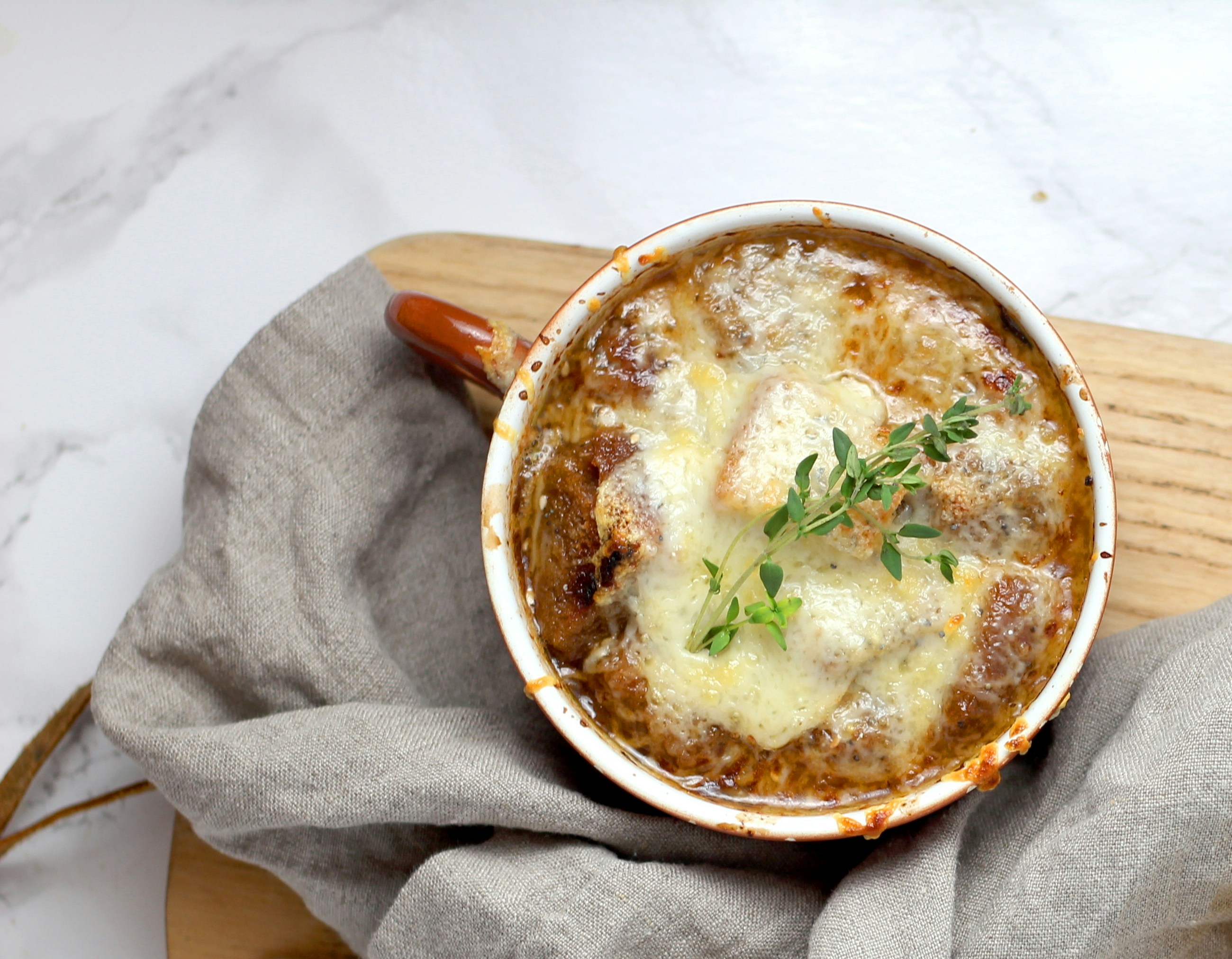
To elevate the dish further, a generous topping of toasted bread and melted cheese, typically Gruyère or Swiss, is added, creating a deliciously gooey layer atop the soup. This layering not only contributes to the dish’s decadent texture but also balances the sweetness of the caramelized onions with savory notes from the cheese. French onion soup is especially favored during colder months, providing warmth and solace with each spoonful. Its ability to elicit comfort, along with its place in traditional French cuisine, makes this enduring recipe cherished by many across the globe.
Essential Ingredients for French Onion Soup
Creating a classic French onion soup requires a few essential ingredients that are pivotal in achieving the rich flavor profile associated with this beloved dish. At the heart of the recipe are onions, which are the star ingredient. The optimal type for this recipe is yellow onions; they offer the perfect balance of sweetness and savoriness that enhances the overall taste of the soup. While yellow onions are preferred, sweet onions or white onions can also be utilized, although they may yield a slightly different flavor outcome.
Another critical component of this comforting soup is the broth. Traditionally, beef broth is favored for its depth and robust flavor, which complements the caramelized onions beautifully. However, for a vegetarian alternative, a well-seasoned vegetable broth can be used without sacrificing taste. When preparing your broth, ensure it is high quality, as the liquid significantly impacts the soup’s overall flavor.
Additionally, cheese plays an indispensable role in French onion soup, contributing both flavor and texture. Gruyère cheese is the classic choice, renowned for its nutty taste and excellent melting properties. Some recipes may also incorporate a combination of cheeses, such as Swiss or Parmesan, to enhance complexity. To create a satisfying topping, it is essential to use a hearty bread, such as a baguette, which can withstand the moist conditions of the soup while still providing a crunchy texture when toasted.
In summary, the beauty of French onion soup lies in its simplicity, relying heavily on high-quality yellow onions, a rich broth (beef or vegetable), and the perfect combination of cheese and bread for topping. Each ingredient plays a crucial role in crafting this exquisite dish, ensuring that the result is both comforting and delicious.
Tools and Equipment Needed
To prepare a Classic French onion soup recipe successfully, emphasizing efficiency and quality is essential. First and foremost, a heavy-bottomed pot or a Dutch oven is crucial. This type of cookware allows for even heat distribution, preventing the onions from burning during the caramelization process. Choosing a pot with a thick base can make a significant difference in achieving that rich, deep flavor characteristic of a well-made French onion soup.
Next, a wooden spoon is an indispensable tool for caramelizing the onions. The wooden material helps avoid scratching the pot’s surface while also allowing for effective stirring, ensuring that the onions cook evenly. Opt for a spoon with a long handle to keep a comfortable distance from the heat. Additionally, a set of sharp knives is essential for slicing the onions finely, as uniformity in size can enhance the soup’s texture and flavor development.
For serving your delicious soup, oven-safe bowls or ramekins are recommended. These bowls can withstand high temperatures, allowing you to broil the cheese on top of the soup without risk of damage. A good quality set should be sturdy and ideally have a handle for easier serving. Furthermore, investing in a reliable set of measuring cups and spoons will aid in accurately measuring ingredients, ensuring your recipe turns out as intended.
When selecting cookware and utensils, focus on quality materials. Stainless steel, cast iron, and ceramic are all excellent choices for durability and heat retention. This attention to detail will not only make the cooking process more enjoyable but also enhance the final dish. By assembling these essential tools and outfitting your kitchen properly, you can create a memorable classic French onion soup with ease.
Step-by-Step Cooking Instructions
To prepare a delightful Classic French Onion Soup, begin by gathering all necessary ingredients: onions, beef broth, butter, flour, white wine, and fresh herbs. Start by slicing four large yellow onions thinly; this is crucial for achieving the rich caramelization that characterizes the soup.
In a large, heavy pot or Dutch oven, melt three tablespoons of unsalted butter over medium heat. Once the butter is foamy, add the sliced onions. Stir them well to coat with the butter, then reduce the heat to low. Allow the onions to cook gently, stirring occasionally, for about 30 to 40 minutes. The goal is to caramelize the onions until they are a deep golden brown, which intensifies the flavor of the soup.
Once the onions are beautifully caramelized, sprinkle a tablespoon of flour over them, stirring to combine. This will help thicken the soup. Next, pour in half a cup of white wine, scraping up any fond from the bottom of the pot, which adds additional depth to the flavor profile. Let the wine reduce for about 5 minutes. Following this, slowly add six cups of beef broth, ensuring to stir continuously to prevent lumps. Bring the mixture to a gentle simmer.
As the soup simmers, add a few sprigs of fresh thyme and a bay leaf for enhanced aroma. Allow it to simmer for at least 30 minutes; the longer it simmers, the deeper the flavors become. Afterward, remove the herbs, season the soup to taste with salt and pepper, and prepare for serving. For the perfect finish, ladle the soup into oven-safe bowls, top with slices of baguette, and sprinkle generously with grated Gruyère cheese. Broil until the cheese is bubbly and golden. Enjoying every spoonful of this Classic French Onion Soup is now possible, thanks to these detailed cooking instructions.
Tips for Perfectly Caramelized Onions
Caramelizing onions is an art that significantly contributes to the depth of flavor found in a classic French onion soup recipe. Understanding the technique behind this process will enhance your culinary skills and result in a more delicious final dish. The first step is to choose the right type of onions; yellow onions are typically recommended due to their balanced sweetness and flavor. Alternatively, you may experiment with sweet onions like Vidalias for a milder taste.
Next, it is essential to slice the onions uniformly to ensure even cooking. Thin slices of approximately 1/8 to 1/4 inch work best. A larger pan or skillet is advisable, as this increases the surface area and allows onions to cook without steaming. Begin by heating a mixture of butter and oil in the pan over medium heat; the fat not only adds flavor but also prevents the onions from sticking and burning.
The timing is crucial in the caramelization process. Once the oil is hot, add the onions and stir them to coat. Lower the heat slightly to medium-low after the initial sauté to avoid burning. Patience is key; onions should be cooked for about 30 to 45 minutes, stirring occasionally. As they cook, they will undergo a transformation, gradually turning a rich golden brown and developing sweetness. Keep a close eye on them to prevent any potential sticking to the pan, which can lead to uneven cooking.
If you find the onions are browning too quickly or burning, reduce the heat further and add a splash of water or broth to deglaze the pan, helping to lift the caramelized bits and further infuse your mixture with flavor. By mastering these tips, anyone can achieve perfectly caramelized onions, setting the foundation for a rich and satisfying French onion soup recipe.
Variations of French Onion Soup
While the traditional French onion soup recipe is beloved for its rich flavor and comforting warmth, there are numerous ways to customize this classic dish to suit personal tastes and dietary preferences. One common variation is the addition of herbs and spices, which can enhance the depth of flavor. Fresh thyme, bay leaves, or even a sprinkle of nutmeg can elevate the taste profile significantly. For those who desire a little heat, a dash of cayenne pepper or freshly cracked black pepper can add a delightful kick.
The choice of cheese also presents an opportunity for variation. While Gruyère cheese is the classic choice for topping French onion soup, other cheeses such as Emmental, Comté, or even a sharp cheddar can be used to create a unique flavor combination. Experimenting with cheese blends, such as combining mozzarella for stretchiness and Parmesan for depth, can lead to exciting new results. Furthermore, a dollop of crème fraîche or a sprinkle of goat cheese on top just before serving can introduce an unexpected tang, delighting the palate.
Adding vegetables can also transform this classic soup into a more substantial meal. For example, incorporating sliced mushrooms can provide an earthy flavor, while spinach can introduce a fresh component. Even root vegetables like carrots or parsnips can bring a sweetness that complements the caramelized onions beautifully. Additionally, there are regional adaptations worth exploring, such as the use of white wine or sherry for deglazing the pan, particularly in southern France, which adds another layer of complexity to the recipe.
These creative twists and adaptations open up a world of possibilities for experimenting with the beloved French onion soup recipe, making it a versatile dish that can be tailored to any palate.
Serving and Garnishing Suggestions
When it comes to serving Classic French Onion Soup, presentation can significantly enhance the dining experience. One of the most traditional ways to serve this dish is in an oven-safe ramekin or soup bowl, which allows for easy melting of cheese atop the soup. The use of a deep bowl emphasizes the rich, caramelized onion broth, while also providing space for the essential bread topping.
The most preferred choice of bread for topping French onion soup is a hearty, crusty baguette. Slices of this bread can be toasted to golden perfection, ensuring they hold up under the weight of the melted cheese. Alternatively, sourdough or ciabatta can be used, contributing unique flavors that can enhance the overall taste. The key is to select a bread that has a robust texture to withstand the soup’s moisture.
For the cheese, Gruyère is the traditional option, known for its exceptional melting qualities and distinct flavor. However, combinations with Emmental or even a sprinkle of Parmesan can provide an interesting twist. Layer the cheese generously over the bread, allowing it to broil until bubbly and slightly browned. This not only adds a rich creaminess but also a visually appealing golden crust.
To further elevate the serving experience, consider additional garnishes such as freshly chopped herbs. A sprinkle of thyme or parsley can bring a fresh note, balancing the rich flavors of the soup. For those leaning towards creative experimentation, a drizzle of truffle oil or a splash of sherry vinegar prior to serving can introduce an exciting layer of taste that complements the classic profile of French onion soup.
Lastly, pairing this iconic dish with a crisp green salad or a glass of dry white wine can enhance the meal, creating a delightful culinary experience that celebrates the comforting flavors of this classic recipe.
Nutritional Information
French onion soup, a classic dish renowned for its rich flavor, offers several nutritional benefits. The primary ingredients commonly used in the recipe include onions, beef or vegetable broth, bread, and cheese. Understanding the nutritional profile of these components is essential for making informed dietary choices.
In terms of calories, a standard serving of traditional French onion soup typically contains around 250 to 300 calories. The significant calorie contributors include the cheese and bread, which add both flavor and texture. For those monitoring their caloric intake, adjustments can be made by reducing the amount of cheese or opting for lighter bread options.
Protein content in French onion soup largely depends on the base used. When made with beef broth, each serving provides approximately 10 to 15 grams of protein. Conversely, if a vegetable broth is used, protein levels may decrease. Incorporating toppings such as grilled chicken or opting for higher protein cheeses can enhance this aspect further, catering to those seeking a more substantial meal.
French onion soup also provides various vitamins and minerals primarily through its onion base. Onions are a good source of vitamin C, which supports the immune system, and vitamin B6, which is essential for brain health. Additionally, they contain important minerals like potassium and iron. For individuals adhering to specific dietary practices, there are vegetarian options available; substituting beef broth with vegetable broth renders this dish suitable for vegetarians. Gluten-free bread can also be utilized to accommodate those with gluten sensitivities.
Ultimately, when prepared thoughtfully, French onion soup can be a flavorful addition to various diets, offering both comfort and nourishment.
Conclusion and Final Thoughts
In this blog post, we have explored the classic French onion soup recipe, highlighting the key steps and ingredients that create this timeless dish. From the slow-caramelization of onions to the rich, flavorful broth, every detail contributes to the overall experience of enjoying this comforting soup. The process of making homemade French onion soup not only allows for personal customization but also provides a rewarding opportunity to connect with culinary traditions.
Creating your own version of French onion soup can be an enlightening experience. It enables you to adapt the recipe to suit your palate, whether by adjusting the type of cheese used, experimenting with different herbs, or incorporating unique ingredients that reflect your tastes. The beauty of homemade dishes lies in their flexibility; each cook can impart their own signature touch, making the soup uniquely theirs.
We encourage our readers to engage with this classic recipe, sharing their variations and experiences in crafting the perfect bowl of French onion soup. Whether you are a novice or a seasoned cook, embracing this recipe can deepen your appreciation for the art of cooking. The satisfaction of preparing a beloved dish, particularly one as rich in history as French onion soup, can enhance your culinary journey and inspire further exploration in the kitchen.
As you gather around the table with family and friends, a bowl of warm French onion soup can serve as a comforting reminder of the joys of cooking and sharing. We hope this recipe has inspired you to don your chef’s hat and create a delightful dish that honors the classic traditions while allowing for personal flair. Happy cooking!