
Introduction
Lasagna, a cherished staple of Italian-American cuisine, has garnered immense popularity as a beloved comfort food. With its origins steeped in the rich culinary traditions of Italy, lasagna has been embraced and adapted by American families, making it a quintessential dish at family dinners and gatherings. The dish is celebrated not only for its delightful flavors but also for its heartwarming ability to bring people together.
At its core, classic Italian-American lasagna features layers of luscious ingredients, including pasta, rich meat or vegetables, tangy tomato sauce, and a blend of creamy cheeses. These harmonious layers create a symphony of flavors, each bite revealing a delightful combination of textures and tastes. From the al dente sheets of pasta to the savory meat sauce bubbling with aromatic herbs, the preparation of lasagna is as much an art as it is a culinary tradition.
The significance of lasagna transcends simple sustenance; it symbolizes warmth, love, and family connection. Often served during significant celebrations, holidays, or Sunday gatherings, this comforting dish is associated with shared moments, laughter, and cherished memories. Its appeal across generations is undeniable, as parents pass down their unique recipes to children, ensuring that the tradition of lasagna-making continues to flourish.
As we delve into the process of creating this iconic dish, we will explore step-by-step instructions that will guide you in preparing a lasagna that exemplifies the comforting essence of this culinary classic. Whether you are a seasoned cook or a novice in the kitchen, embodying the spirit of this timeless dish will not only fill your stomach but also warm your heart, creating cherished experiences to last a lifetime.
Why This Recipe Works
The classic Italian-American lasagna is a beloved comfort food, renowned for its rich flavors and satisfying textures. This particular recipe earns its distinguished place in culinary tradition through a careful balance of hearty elements and creamy layers, making each bite a delightful experience. At the foundation of this dish is the savory beef sauce, known for its depth of flavor derived from a slow simmer of ground beef, tomatoes, and aromatic spices. This sauce not only provides a robust taste but also infuses moisture throughout the lasagna, ensuring it does not dry out during baking.
Complementing the beef sauce is a creamy ricotta mixture, which plays a vital role in adding richness and a slightly sweet contrast to the savory notes. The ricotta blends seamlessly with herbs such as basil and parsley, introducing a fresh brightness that elevates the dish. This creamy layer serves to balance the heartiness of the meat sauce, creating a harmonious combination that is both indulgent and comforting.
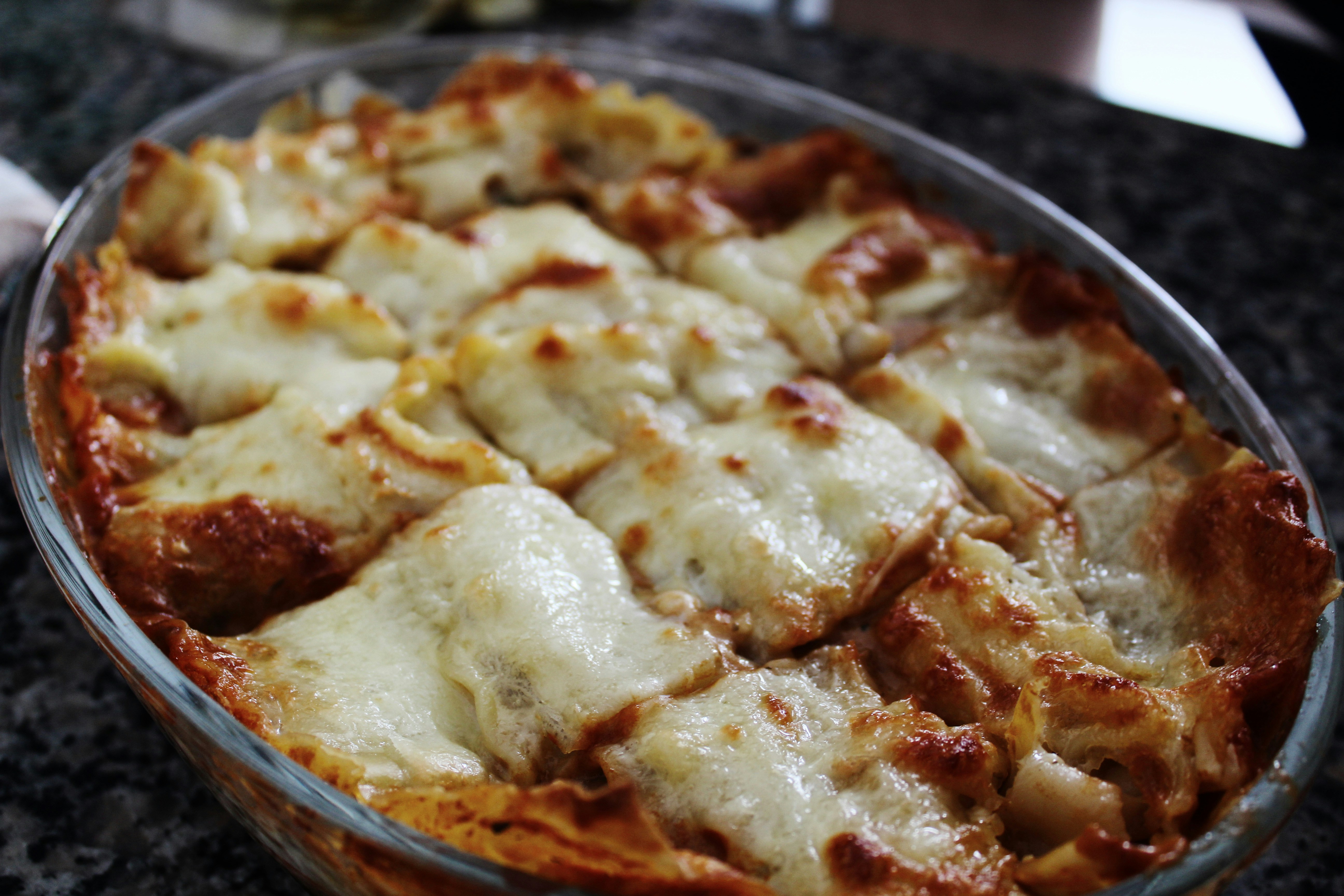
Furthermore, the gooey mozzarella cheese is what truly sets this lasagna apart. As it bakes, the mozzarella melts and creates a stretchy, golden crust that invites diners to dig in. This melty layer binds the entire dish together, adding a delightful stretchiness that enhances the overall dining experience. The harmony of the layers—the bold beef, the creamy ricotta, and the gooey mozzarella—works to create a stunning visual display while also ensuring that each forkful delivers a satisfying blend of flavors and textures.
In essence, each component of this lasagna recipe contributes to its irresistible allure, making it a standout dish for any meal. The careful layering and balanced flavors not only celebrate traditional Italian-American cooking but also ensure that this lasagna is a delightful addition to any dining occasion.
Ingredients
To create a traditional Italian-American lasagna, a well-curated selection of ingredients is essential. Each component contributes significantly to the harmony of flavors and textures that embody this comforting dish.
First and foremost, a mix of ground beef and Italian sausage serves as the savory foundation. The beef provides a robust flavor, while the sausage, typically seasoned with fennel and herbs, adds a delightful depth. Together, they create a hearty meat sauce that is a hallmark of classic lasagna.
Next, aromatics such as onions and garlic are indispensable. The onions lend sweetness, balancing the savory components, and the garlic infuses the dish with an aromatic essence that enhances the overall flavor profile.
The sauce relies heavily on crushed tomatoes, which contribute acidity and brightness. They form the base of the meat sauce, ensuring the lasagna remains moist while preventing it from becoming overly rich. Consider using San Marzano tomatoes for a more authentic taste.
Herbs are critical in layering the flavors; oregano and basil are traditional choices that impart a fragrant touch reminiscent of Italian kitchens. Fresh herbs, if available, can elevate the dish even further.
Cheese is the crowning glory of any lasagna. A combination of ricotta, mozzarella, and Parmesan produces a rich, creamy texture while ensuring a satisfying stretch upon serving. The ricotta adds creaminess, mozzarella provides meltiness, and Parmesan contributes a salty, nutty bite.
Finally, lasagna noodles serve as the structural backbone of the dish. Opting for no-boil noodles can simplify the process, but traditional boiled noodles frequently yield superior texture, holding up the layers beautifully.
In summary, each ingredient in Italian-American lasagna contributes uniquely, creating a symphony of flavors that culminate in a dish that is undeniably satisfying and timeless.
Step 1: Prepare the Sauce
Creating a robust meat sauce is fundamental to achieving the depth of flavor that characterizes classic Italian-American lasagna. Start by gathering your ingredients, which include finely chopped onions, minced garlic, ground beef, Italian sausage, crushed tomatoes, tomato paste, and an array of herbs and spices. The precise selection of these elements plays a crucial role in the overall taste of the sauce. Begin the process by heating a generous amount of olive oil in a large saucepan over medium heat.
Once the oil is shimmering, add the chopped onions first, allowing them to sauté gently for about five minutes. This step is crucial as it builds the foundation of flavor for your sauce. After the onions become translucent, introduce the minced garlic. Sauté the garlic for an additional minute, stirring constantly to avoid burning. The aromatic combination of onions and garlic signals the beginning of a flavorful journey.
Next, incorporate the ground beef and Italian sausage into the pan. Use a wooden spoon to break apart the meat, stirring it until it is no longer pink. This cooking process is essential for rendering the fat from the meat, which will enhance the richness of the overall sauce. Once the meat is thoroughly cooked, drain any excess fat if necessary. Following this, add the crushed tomatoes and a couple of tablespoons of tomato paste to intensify the sauce’s richness and color.
To elevate the flavor further, season the mixture with salt, pepper, and a blend of Italian herbs such as oregano and basil. Allow the sauce to come to a gentle simmer. This simmering process allows the flavors to meld beautifully over time. Ideally, you should let the sauce simmer for at least 30 minutes, stirring occasionally to ensure it does not stick to the bottom of the pan. As it simmers, anticipate a fragrant kitchen as your sauce develops a robust, comforting essence that will be perfectly layered within your lasagna.
Step 2: Mix the Cheese Filling
To create the perfect cheese filling for your classic Italian-American lasagna, begin by selecting high-quality ricotta cheese, as it serves as the base of this creamy mixture. In a mixing bowl, add approximately 15 ounces of ricotta cheese, ensuring that it is fresh and free of excess moisture, which can affect the consistency of your lasagna. Next, incorporate one large egg into the ricotta. The egg acts as a binding agent, helping to create a cohesive filling that holds together well when baked. The combination of ricotta and egg not only provides structure but also contributes to the overall creaminess of the lasagna.
To further enhance the flavor profile, add about half a cup of grated Parmesan cheese to the mixture. Parmesan brings a distinctive nutty taste and complements the mild ricotta perfectly. Using a fork or a whisk, gently blend these ingredients together until the mixture is smooth and creamy. It is essential to ensure that there are no lumps, as this will affect the texture of the final dish. This cheese filling serves not just as a flavor component, but also plays a crucial role in adding richness to each layer of the lasagna.
Moreover, feel free to customize this filling by introducing additional flavors such as freshly chopped herbs like basil or parsley, which can impart a fragrant touch. Incorporating a pinch of salt and freshly ground black pepper is advisable, as these seasonings can elevate the overall taste of the cheese filling. Once mixed thoroughly, set the cheese mixture aside until you are ready to layer it into your lasagna, ensuring that each bite offers a delightful combination of creaminess and flavor.
Assembling Your Lasagna
Assembling a classic Italian-American lasagna is an art that combines both precision and care. To create a harmonious dish, it’s crucial to layer the ingredients correctly. Begin by selecting a baking dish, preferably a rectangular or square shape, as this promotes even cooking and easier slicing when serving. Start by spreading a light layer of marinara sauce at the bottom of the dish to prevent the noodles from sticking. This foundational layer serves not only as a non-stick base but also adds flavor.
Next, place the first layer of lasagna noodles over the sauce, ensuring they slightly overlap. Traditional lasagna utilizes either fresh or dried noodles, but ensure they are cooked according to package instructions if using the latter. This technique guarantees the noodles are tender and fully absorb the sauce’s richness without becoming overly soggy.
Once the noodles are laid out, scoop a portion of the ricotta cheese mixture evenly over them. This creamy layer contributes a delightful texture and flavor. Use a spatula to distribute it evenly, ensuring every bite contains that signature ricotta creaminess. Then, add another generous layer of marinara sauce, making sure it covers the ricotta completely to maintain moisture and flavor balance.
Following this, sprinkle a layer of shredded mozzarella cheese evenly atop the sauce, guiding your layering process toward melty perfection. This is essential for achieving the classic lasagna pull when slicing into the finished dish. Repeat the layering process, compiling noodles, ricotta, sauce, and mozzarella until you reach the top of the baking dish, reserving sufficient mozzarella to layer generously on the final top.
As you conclude the assembly, finish with a final layer of mozzarella, ensuring it covers the entire surface evenly. This will create a beautiful, golden crust when baked. The meticulous arrangement of ingredients in your lasagna not only enhances its aesthetic appeal but also guarantees balanced flavors throughout the dish.
Step 4: Bake the Lasagna
Once you have assembled your classic Italian-American lasagna, the next crucial step is the baking process. Preheat your oven to 375°F (190°C). This temperature is ideal for ensuring that your lasagna cooks evenly, allowing the layers of pasta, meat, and cheese to meld together harmoniously.
To start the baking process, cover your lasagna with aluminum foil. This step is essential as it helps to trap moisture within the dish, preventing the noodles from drying out and ensuring that the flavors have time to develop. It is recommended to bake the lasagna covered for about 25 minutes. This period allows the heat to permeate through the layers, cooking the noodles thoroughly and warming the filling while keeping the overall dish moist.
After the initial baking time has elapsed, it is important to remove the foil to allow for the final stage of cooking. This step is where the magic happens. Bake your lasagna uncovered for an additional 15 minutes. Removing the foil enables the cheese on top to brown and become bubbly, creating a beautifully golden crust that is often the hallmark of a well-made lasagna. This golden top not only enhances the dish’s visual appeal but also adds a delightful texture that contrasts beautifully with the softer layers beneath.
Once the lasagna is finished baking, allow it to rest for about 10-15 minutes before slicing. This resting period is crucial as it helps the layers set and makes it easier to serve. Following these baking guidelines ensures that you end up with a luscious, perfectly executed Italian-American lasagna that embodies comfort food perfection.
Serving Suggestions
When it comes to serving classic Italian-American lasagna, there are several ways to enhance this beloved dish, making it even more appealing and satisfying. One of the most effective ways to present your lasagna is through careful consideration of side dishes that complement its rich flavors. Freshly baked garlic bread is a popular choice, as it offers a crunchy texture that contrasts beautifully with the soft layers of lasagna. The buttery, garlicky taste also adds another layer of richness to your meal, inviting guests to enjoy their portions to the fullest.
In addition to garlic bread, a crisp salad can bring a refreshing element to the meal. A simple green salad with mixed greens, cherry tomatoes, and a light vinaigrette can balance the hearty nature of lasagna. Alternatively, consider offering an Italian-style salad featuring ingredients such as olives, mozzarella, and red onion to further enhance the meal’s Mediterranean essence. The combination of fresh vegetables and tangy dressings not only complements the lasagna but also adds nutritional value.
Garnishing the lasagna with fresh basil is another excellent way to elevate your serving presentation. A sprinkle of chopped basil leaves on top of the dish not only adds a vibrant green hue but also offers an aromatic freshness that enhances the overall flavor profile. For those who appreciate a bit of a kick, consider adding red pepper flakes or freshly grated Parmesan cheese to each serving for an extra touch of flavor.
Ultimately, the goal of serving classic Italian-American lasagna is to create a memorable and enjoyable dining experience. By thoughtfully selecting side dishes and garnishes, you can create a well-rounded meal that celebrates the comforting nature of this iconic dish.
Tips for Success
Creating the perfect Classic Italian-American lasagna requires not only following a recipe but also employing specific tips to enhance the overall result. One recommended approach is to utilize no-boil noodles, which significantly reduce preparation time and allow for better layering of flavors. These noodles absorb moisture from the sauce while baking, resulting in a deliciously rich and creamy texture.
Another important tip is to let the lasagna rest before serving. Allowing it to sit for at least 20-30 minutes after removing it from the oven helps the layers set, making it easier to slice. This resting period not only improves the presentation but also enhances the depth of flavor as the ingredients meld together. Moreover, preparing lasagna ahead of time is beneficial; assembling it a day in advance lets the flavors develop and improves the overall outcome.
For those with dietary considerations, there are numerous substitutions available. For a gluten-free version, use gluten-free lasagna noodles or thinly sliced vegetables such as zucchini or eggplant as an alternative. Additionally, for a healthier option, lean ground turkey or chicken can be substituted for traditional ground beef. For vegan preferences, plant-based meat alternatives or lentils can provide a hearty texture. Furthermore, dairy-free cheeses can be incorporated to cater to lactose-intolerant individuals without sacrificing taste.
Another suggestion is to customize the filling; adding sautéed mushrooms, spinach, or roasted bell peppers can introduce new flavors and textures to the dish. Herbs such as fresh basil or oregano can also elevate the taste profile, enhancing the soup-like quality of your marinara sauce. By integrating these tips, one can craft a lasagna that is not just a dish but a comforting experience. Embrace your creativity and personal preferences, and enjoy the process of making this beloved classic.
Conclusion
In conclusion, this classic Italian-American lasagna recipe encapsulates the essence of comfort food, making it a must-try for anyone looking to create an iconic dish that brings warmth and satisfaction to the table. The layers of rich flavors from the savory meat sauce, creamy béchamel, and tangy marinara complement each other beautifully, resulting in a truly memorable dining experience. Perfecting this lasagna requires a commitment to quality ingredients and a bit of patience, but the rewards are well worth the effort.
This homemade lasagna not only serves as a delicious meal but also creates cherished moments with family and friends. Gathering your loved ones to share a piece of this delectable lasagna fosters a sense of community and connection that is often found in Italian culinary traditions. As you embark on this cooking adventure, remember to enjoy the process and embrace the joy of creating something meaningful together.
Whether you are serving it at a special occasion or simply enjoying a cozy weeknight dinner, this recipe is bound to impress. Its ability to highlight the flavors and aromas of traditional Italian-American cuisine makes it a timeless addition to any household. Therefore, do not hesitate to incorporate this classic lasagna into your cooking repertoire; it is an iconic dish that can unite generations around the dining table, making every bite a celebration of comfort and nostalgia.