
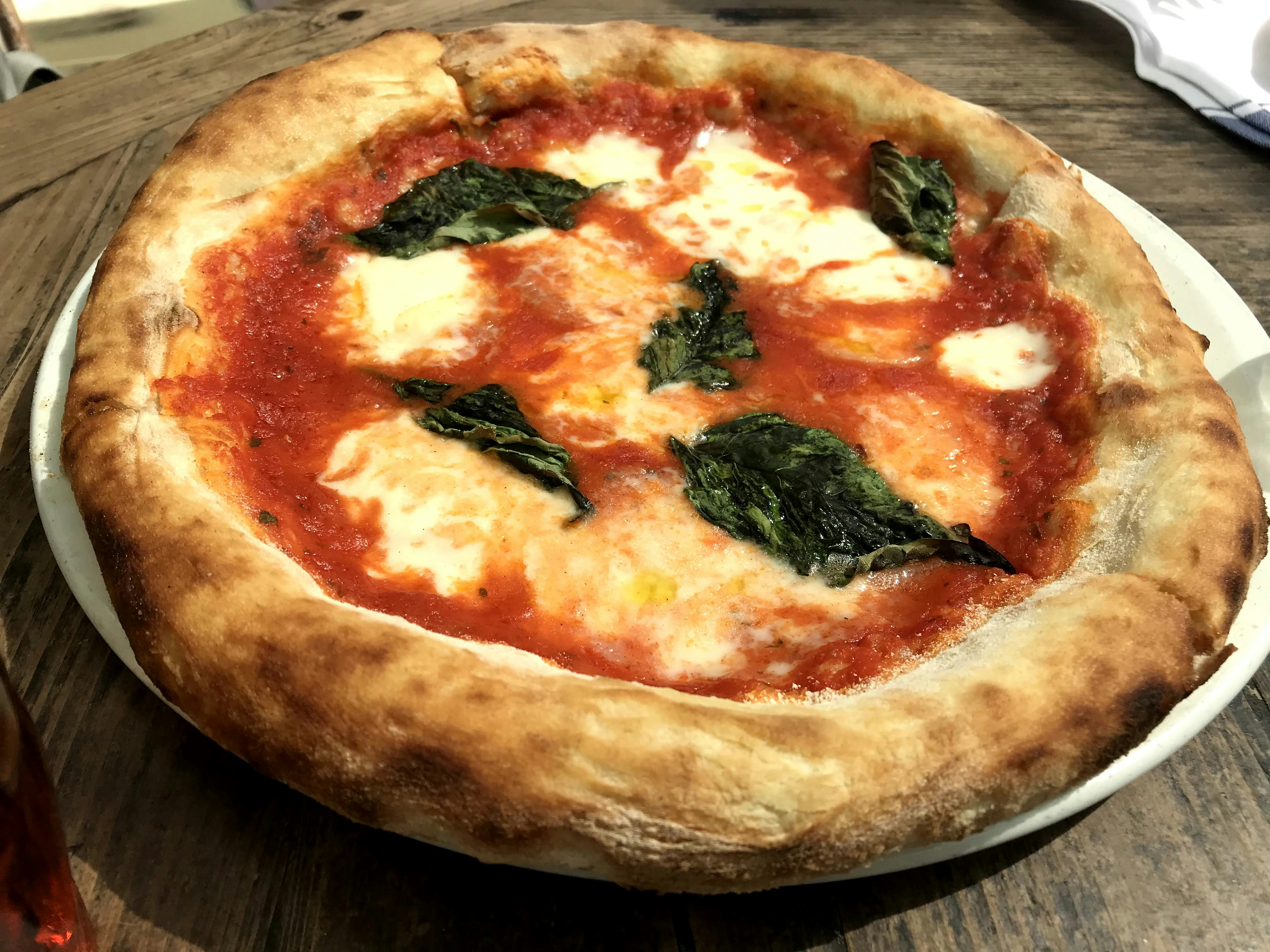
Introduction to Margherita Pizza
Margherita pizza is an iconic representation of Italian cuisine, celebrated for its simplicity and fresh ingredients. Its origins date back to the late 19th century when it was created in honor of Queen Margherita of Savoy. According to popular legend, during her visit to Naples, she tasted a variety of local pizzas. One particular combination caught her attention, which was later named after her. This dish, with its vibrant colors resembling the Italian flag, has become a symbol of culinary excellence in Italy and beyond.
The classic Margherita pizza features a few core ingredients that highlight the dish’s authenticity. Fresh tomatoes serve as the foundation, establishing a rich, tangy base that pairs exquisitely with the creamy texture of mozzarella cheese. Traditionally, the mozzarella used is made from the milk of water buffalo, providing a distinct flavor. The addition of basil leaves not only infuses the pizza with an aromatic freshness but also contributes a hint of earthy sweetness that complements the tomatoes beautifully.
Furthermore, a drizzle of high-quality olive oil adds depth and enhances the overall taste profile of Margherita pizza. Sea salt is sprinkled on top, emphasizing the flavors of the other ingredients and ensuring a balanced dish. This combination of fresh produce and simple preparation makes Margherita pizza a beloved choice for pizza enthusiasts globally. It is appreciated not only for its delightful taste but also for its embodiment of the Italian culinary philosophy that values quality ingredients and traditional methods. As we delve into the recipe, it becomes clear why this dish remains a classic favorite over the years.
Gathering the Ingredients
To create a classic Margherita pizza from scratch, it is essential to gather quality ingredients that will ensure an authentic taste and texture. The first step involves selecting the right flour for the pizza dough. “00” flour is traditionally recommended for pizza-making due to its fine texture and optimal protein content, which helps achieve a light and chewy crust. If “00” flour is unavailable, all-purpose flour can be a suitable alternative, although it may yield a slightly different result.
The choice of tomatoes is crucial for a Margherita pizza. San Marzano tomatoes, known for their sweet flavor and low acidity, are often the preferred option. When using canned tomatoes, look for those labeled “San Marzano” to ensure quality. For the sauce, simply crush the tomatoes by hand or blend them lightly, adding a pinch of salt, and avoid excessive cooking to maintain freshness.
Next, the selection of mozzarella is vital. There are two primary types to consider: mozzarella di bufala, made from water buffalo’s milk, which offers a creamy and rich flavor; and fior di latte, made from cow’s milk, providing a milder taste. Both types melt beautifully and contribute to the classic Margherita experience. Choose fresh, high-quality mozzarella, preferably packed in water to maintain moisture.
Finally, fresh basil is indispensable in completing the pizza. Look for vibrant, fragrant basil leaves, which will add aroma and a burst of flavor. When assembling the pizza, add the basil either before or after baking, depending on whether you prefer a cooked or fresh taste.
To source high-quality ingredients, consider local markets or specialty stores that focus on imported items. While the ingredients can be sourced from various places, prioritizing quality will significantly enhance the final product. Preparing them involves draining excess moisture from the mozzarella and washing the basil to remove any dirt, setting you up for an authentic homemade Margherita pizza experience.
Step-by-Step Pizza Dough and Topping Preparation
Creating a delicious Margherita pizza starts with preparing the perfect pizza dough. Begin by gathering your ingredients: 500 grams of all-purpose flour, 325 milliliters of warm water, 10 grams of salt, 5 grams of sugar, and 7 grams of active dry yeast. In a small bowl, dissolve the yeast and sugar in the warm water, letting it sit until it becomes frothy, which usually takes about 5-10 minutes.
In a large mixing bowl, combine the flour and salt. Once the yeast mixture is frothy, pour it into the flour mixture. Stir with a wooden spoon until a shaggy dough begins to form. At this point, transfer the dough onto a floured surface and knead it for approximately 10 minutes. The dough should become smooth and elastic. If it’s too sticky, sprinkle a little more flour as needed.
Once you have achieved the right consistency, shape the dough into a ball and place it in a lightly oiled bowl. Cover it with a damp cloth or plastic wrap, allowing it to rise in a warm area for at least 1-2 hours, or until it has doubled in size. This rising process is crucial for developing the dough’s texture and flavor.
While the dough is rising, you can prepare the toppings. For the tomato sauce, use around 400 grams of canned San Marzano tomatoes. Crush the tomatoes in a bowl and add a pinch of salt, a drizzle of olive oil, and fresh basil to enhance the flavor. For the cheese, select fresh mozzarella and slice it into even pieces, approximately 1 cm thick to ensure even melting during baking.
With your dough fully risen and toppings ready, you will be well-equipped to assemble your Margherita pizza. This step-by-step guide simplifies the process, making it accessible for even novice cooks, while ensuring the delightful homemade quality that is characteristic of classic Margherita pizza.
Baking Your Margherita Pizza to Perfection
Baking a Margherita pizza to perfection hinges on several crucial factors, including oven temperature, baking method, and timing. To begin, preheat your oven to its maximum temperature, typically between 475°F to 500°F (245°C to 260°C). This high heat is essential for achieving that signature crispy crust synonymous with authentic Neapolitan pizzas. If you have a pizza stone, place it in the oven while it preheats; this helps retain heat and absorbs moisture, resulting in a beautifully baked crust.
Once the oven is adequately preheated, it’s time to prepare your Margherita pizza for baking. If you’re using a pizza stone, carefully transfer your assembled pizza onto a peel dusted with flour or cornmeal, enabling easy slide-off into the oven. If a baking sheet is your choice, ensure it is lightly greased to prevent sticking. For the optimal baking experience, the pizza should be cooked directly on the stone or baking sheet without extra pans in between, allowing heat to circulate freely.
The ideal baking time for a Margherita pizza ranges between 8 to 12 minutes, depending on your oven’s performance and the thickness of the dough. Keep a close eye on the pizza to catch it at the perfect moment, which is indicated by a slightly charred edge and bubbling, melted cheese. The crust should deliver a satisfying crunch with a golden-brown finish—a hallmark of exceptional pizza. Once out of the oven, let the pizza rest for a couple of minutes before slicing.
To serve, consider pairing your homemade Margherita pizza with a light arugula salad or classic antipasto for a complete meal experience. A fresh basil garnish can also elevate both presentation and flavor. Enjoying your pizza hot from the oven, with a drizzle of high-quality extra virgin olive oil or a sprinkle of sea salt, can further enhance its delightful simplicity.