
Introduction
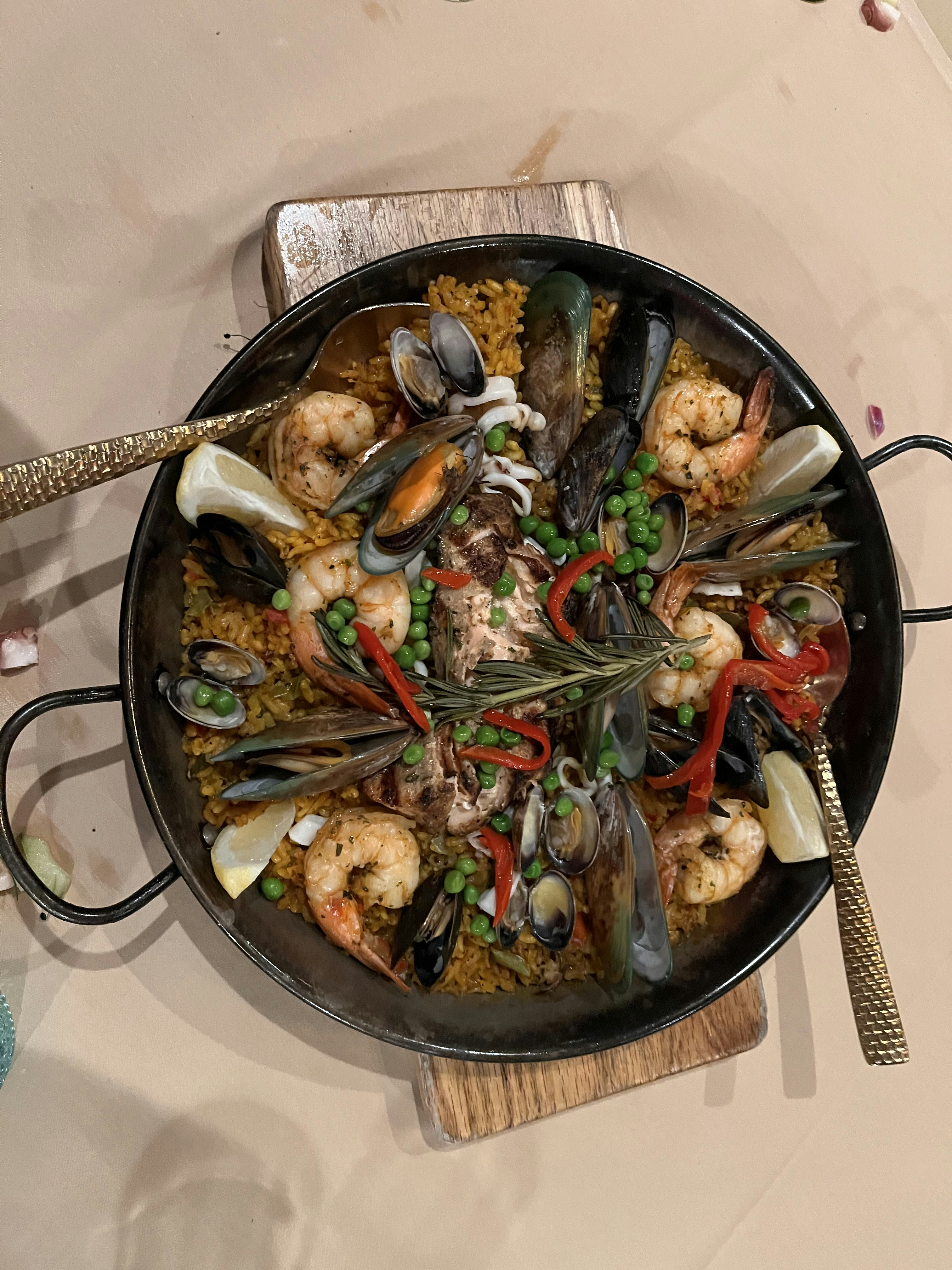
Seafood paella is a quintessential Spanish dish that embodies the rich culinary traditions of Spain, particularly the region of Valencia. This vibrant rice dish is characterized by its robust flavors, which stem from the perfect blend of succulent seafood, aromatic saffron, and a medley of fresh vegetables. As a hallmark of Mediterranean cuisine, paella has garnered worldwide recognition and is often regarded as a representative dish of Spanish gastronomy.
The foundation of a traditional seafood paella lies in its expertly crafted base of rice, typically flavored with saffron, which imparts a golden hue and a subtle earthy flavor. In addition to saffron, a variety of spices and ingredients—such as garlic, tomatoes, and bell peppers—are incorporated, enhancing the dish’s complexity and taste. The selection of seafood can vary; however, popular choices include shrimp, mussels, squid, and fish, all contributing to the dish’s enticing aroma and freshness.
Preparing seafood paella at home may seem intimidating for some, but this easy homemade recipe allows you to recreate the authentic flavors of Spain within your kitchen. With careful attention to the layering of ingredients and cooking techniques, anyone can achieve a delightful culinary experience that transports them directly to the coastal shores of Spain. This dish is not only delicious but also visually appealing, making it an ideal centerpiece for any gathering or celebration.
In exploring this seafood paella recipe, you will discover the joy of combining fresh ingredients and bold flavors while mastering a classic dish. Embrace the vibrant essence of Spanish cuisine and learn how to bring this beloved dish into your own culinary repertoire.
Why This Recipe Works
This seafood paella recipe stands out due to its careful consideration of essential ingredients and cooking techniques that come together to create a dish rich in authentic Spanish flavor. One of the primary components that elevate this recipe is the use of fresh seafood. Utilizing seasonal and high-quality seafood not only enhances the dish’s taste but also provides a sensory experience that frozen alternatives simply cannot match. By incorporating a mix of shrimp, mussels, and calamari, the diverse textures and flavors harmonize beautifully within the dish, making each bite distinctly enjoyable.
Another critical element is the saffron-infused broth. Saffron is a hallmark of traditional paella, lending a unique aroma and distinct color to the dish. The infusion of saffron, when paired with a rich fish stock, results in a flavorful base that permeates the rice while cooking. It is important to allow the saffron to bloom in warm liquid before adding it to the broth to maximize its flavor and color extraction. This thoughtful preparation ensures that every grain of rice absorbs the luxurious flavors that characterize authentic paella.
Additionally, the cooking method plays a vital role in the success of this recipe. Using a wide, shallow pan allows for even cooking and helps to develop a delectable socarrat, the coveted crispy bottom layer of rice. This texture contrasts with the tender, moist rice above, adding another dimension to the dish. Cooking over medium heat facilitates the gradual evaporation of liquid while preventing the rice from becoming soggy. This careful balance of ingredients, techniques, and essential cooking tools is what ultimately makes this seafood paella recipe a true culinary delight.
Ingredients
To create an authentic seafood paella, it is essential to gather the right ingredients for the best results. Below is a detailed list of the necessary components to prepare a mouthwatering dish that embodies the flavors of Spain.
Start with the star of the dish, which is the rice. You will need 2 cups of either bomba rice or long-grain rice, ensuring it absorbs all the vibrant flavors during the cooking process. Next, for the liquid base, 4 cups of high-quality seafood broth is essential, as it enriches the overall taste of the paella.
For the seafood, use a generous combination that includes 1 pound of fresh shrimp, peeled and deveined, 1 pound of mussels (cleaned and debearded), and 1 pound of calamari, sliced into rings. This variety of seafood adds both texture and flavor, making the dish truly irresistible.
The vegetable selection is equally important, comprising 1 red bell pepper and 1 green bell pepper, both diced; 1 cup of frozen peas; 1 medium onion, finely chopped; 4 cloves of garlic, minced; and 2 medium tomatoes, diced. These vegetables not only provide color but also contribute to the overall flavor profile.
Seasonings play a critical role in paella. You will need 1 pinch of saffron threads, which gives the dish its signature golden hue. Additionally, include 2 teaspoons of smoked paprika, along with salt and pepper to taste. Furthermore, 4 tablespoons of extra virgin olive oil are required for sautéing the ingredients and enhancing the dish’s richness.
For garnishing, fresh parsley, chopped, and lemon wedges are recommended. The parsley adds a touch of freshness, while the lemon wedges can be squeezed over the dish just before serving, bringing a zesty contrast to the rich flavors of the seafood paella.
Step 1: Preparing the Saffron Broth
To begin crafting a remarkable seafood paella, the preparation of the saffron broth serves as a foundational step that deeply influences the overall flavor profile of the dish. Start by selecting a high-quality seafood or chicken broth, as this will provide the essential base for the paella. Warm the chosen broth in a saucepan over low to medium heat, ensuring it does not reach a boil. This gentle heating will preserve the delicate flavors while preparing it for the infusion of saffron.
Saffron, known for its vivid golden hue and unique flavor, is a key ingredient that elevates the broth. To properly infuse the broth, add a pinch of saffron threads to the warmed liquid. It is essential to give the saffron time to steep, typically around 10 to 15 minutes. This process allows the threads to release their color and aroma effectively, transforming the broth into a flavorful elixir that will enhance the entire paella.
To maximize the saffron’s color and flavor, consider lightly crushing the threads between your fingers before adding them to the broth. This technique helps to unlock the volatile oils contained in the strands, ensuring a more robust infusion. Additionally, for optimal results, you can use just enough broth to create a saffron-infused concentrate, which can later be diluted to the desired volume for your paella.
It is crucial to pay attention to the saffron’s quality, as grade A saffron will yield the best results in terms of flavor and color. A well-prepared saffron broth not only adds depth to the paella but also enriches it with nutrients, ensuring a delicious and authentic Spanish culinary experience. With this broth ready, you are one step closer to creating a memorable seafood paella that captivates the palate.
Sautéing the Vegetables
Sautéing the vegetables is a crucial step in creating a flavorful seafood paella. To begin, choose a wide, shallow pan or a paella pan, as this will allow for even cooking and the proper distribution of ingredients. Begin by heating a couple of tablespoons of high-quality olive oil over medium heat. Once the oil is shimmering, it is time to add the onion. Sauté the diced onion for about five minutes, or until it becomes translucent, stirring occasionally to prevent sticking.
Next, introduce minced garlic to the pan. Garlic will add depth to the dish, and it should cook for about one minute. Stir it frequently, as garlic can quickly become bitter if overcooked. After the garlic is fragrant, add the diced bell peppers. These colorful vegetables not only contribute a subtle sweetness but also provide a vibrant visual appeal. Sauté them together with the onion and garlic until they soften, which should take another four to five minutes.
Following the cooking of the onions, garlic, and bell peppers, it is time to enrich the mixture with fresh tomatoes and smoked paprika. The addition of tomatoes enhances the dish’s overall moisture and provides a fresh tang. Stir in roughly chopped tomatoes, allowing them to cook down until they begin to release their juices. Sprinkle in a generous teaspoon of smoked paprika, which introduces a smoky flavor that is characteristic of authentic paella. Cook this mixture for approximately five more minutes, allowing the flavors to meld beautifully.
Throughout the sautéing process, it is essential to monitor the vegetables closely. Aim for a tender texture without allowing them to turn mushy. Balancing the flavors and ensuring each ingredient shines will lay the foundation for a deliciously rich seafood paella that captures the essence of Spanish cuisine.
Step 3: Adding Rice and Broth
Once the essential base of your seafood paella is ready, it is time to introduce the rice and saffron broth, two critical components that will determine the dish’s authenticity and flavor. Begin by sprinkling the appropriate amount of rice evenly over the sautéed ingredients in the pan. The rice plays an integral role in absorbing the flavors from the seafood and vegetables, ensuring that every grain is infused with the essence of the dish. It is recommended to use a short to medium-grain rice variety such as Bomba or Calasparra, which are specifically suited for paella due to their ability to take in liquid and flavors without becoming mushy.
Following this, gently pour the pre-prepared saffron broth into the pan. This broth is a blend of fish stock, saffron threads, and spices, which is vital in not only delivering a rich color but also enhancing the overall profile of the seafood paella. It is essential to bring the mixture to a gentle simmer after adding the broth. This method allows the rice to begin cooking evenly, absorbing the infused liquids and flavors as they meld together.
It is crucial to refrain from stirring the rice once it is added to the broth. This technique is key to achieving the distinct texture associated with a perfect paella. Allowing the rice to cook uncovered permits a crusty layer, known as “socarrat,” to form at the bottom of the pan, which adds a delightful crunch and depth of flavor. By maintaining a gentle simmer and avoiding any additional stirring, you ensure that the rice remains separate and fluffy, which is precisely what you aim for in a traditional seafood paella.
Step 4: Adding Seafood and Peas
Once the rice has partially cooked and absorbed the flavors from the sofrito and broth, it is time to introduce the seafood and peas, integral components of a traditional seafood paella. Proper timing and technique for arrangement are essential to achieve a delightful result.
Begin by selecting a variety of seafood that includes shrimp, mussels, and calamari, ensuring that each offers distinct textures and flavors to the dish. The seafood should be fresh and cleaned appropriately; any shells should be prepped beforehand to facilitate easy tasting. Distribute the seafood artfully over the partially cooked rice, ensuring each piece is somewhat submerged within the dish. This not only contributes to a visually appealing presentation but also allows the seafood to infuse its flavors into the rice as it continues cooking.
Next, incorporate the peas into the mixture; they complement the seafood and lend a pop of color to the paella. Placing the peas on top of the rice ensures they are evenly cooked without becoming mushy. It is crucial to cover the pan with a lid or aluminum foil at this stage. This action helps to retain heat and steam, which aids in cooking the seafood thoroughly while simultaneously allowing the remaining liquid to be absorbed by the rice.
Cooking time is vital in this phase. Allow the dish to simmer until the seafood is opaque and cooked through, which typically takes about 5 to 10 minutes. During this time, it is essential to monitor the rice closely to prevent it from drying out. If the rice appears too dry, a splash of additional broth may help maintain the desired consistency. This careful orchestration of seafood and rice will yield a delicious paella, where the flavors meld beautifully, creating a memorable dining experience.
Step 5: Resting Before Serving
Resting the paella before serving is a crucial step that significantly enhances both the flavor and texture of this beloved Spanish dish. Once the cooking process is complete, achieving the perfect consistency is essential for a truly authentic experience. To begin this resting phase, it is important to first remove the paella from the heat source. This action stops the cooking process and prevents the rice from becoming overly tender or mushy.
After carefully taking the paella off the heat, the next step involves covering the pan with a clean, dry cloth. This covering helps to trap steam, creating a gentle environment that allows the remaining moisture to redistribute throughout the rice. By allowing the paella to sit covered for five minutes, the flavors meld together more harmoniously, promoting a richer taste. During this brief resting period, the rice grains will absorb any excess stock, resulting in a perfectly cooked, fluffy texture that complements the various seafood and other ingredients.
Moreover, this resting step is not merely a technical requirement; it plays a vital role in the overall mouthfeel of the dish. A well-rested paella will have individual grains of rice that retain their shape while being tender and flavorful. The seafood, too, benefits from this short pause, as it becomes infused with the southern Spanish spices and flavors present in the dish.
In conclusion, taking the time to rest the paella offers substantial advantages that elevate the dish from good to exceptional. By simply allowing it to sit for a few moments, you foster an environment where flavors deepen and textures develop, creating a delectable meal that showcases the essence of Spanish cuisine.
Serving Suggestions
When it comes to presenting your delicious seafood paella, aesthetics play a vital role in enhancing the dining experience. A well-plated paella not only tempts the palate but also entices the eyes. To achieve that striking presentation, consider garnishing the dish with freshly chopped parsley, which adds a pop of vibrant green that beautifully contrasts with the rich colors of the seafood and saffron-infused rice. A sprinkle across the top will lend an aromatic freshness, further enticing your guests.
Additionally, lemon wedges are an excellent accompaniment for seafood paella. The bright yellow citrus not only adds color but also invites diners to squeeze fresh juice over their servings, enhancing the flavors of the dish. Placing these wedges strategically around the paella or on a small platter can enhance the visual appeal while providing an interactive element for your guests.
To complement the rich flavors of seafood paella, consider serving it alongside light and refreshing sides. A simple green salad with a vinaigrette dressing can act as a palate cleanser, balancing the hearty flavors of the dish. Alternatively, crusty bread or a mild tapenade can provide delightful texture and flavor contrast.
In terms of beverages, pair your paella with a chilled Spanish white wine, such as Albarino or Verdejo, which will harmoniously enrich the overall experience. For those who prefer non-alcoholic options, a sparkling water with a hint of citrus can be quite refreshing. Crafting these pairings will not only elevate your meal but also resonate with the authentic Spanish theme of your seafood paella.
Tips for Success
Preparing a delicious seafood paella requires attention to detail and adherence to some essential tips that can elevate your culinary experience. The selection of ingredients is crucial, as fresh and high-quality components will enhance the overall flavor. Opt for a flavorful broth, ideally homemade, to form the base of your paella. When selecting seafood, ensure that it is of the highest quality, incorporating a mix of shrimp, mussels, clams, and calamari for varied textures and tastes. Additionally, the use of authentic ingredients such as saffron gives paella its characteristic aroma and golden color, so choose this spice carefully, looking for threads rather than powder for the best intensity.
Next, mastering the cooking technique is key to creating that distinct paella texture. It is essential to allow the rice to cook undisturbed after adding it to the broth. This promotes the formation of the sought-after socarrat, a crispy rice layer at the bottom of the pan, which adds a signature flavor. Aim for a short-grain variety like Bomba rice, as it absorbs liquid without turning mushy. When making substitutions, one could explore using chicken or even vegetables for a non-seafood paella, but be mindful of adjusting cooking times accordingly to ensure the dish cooks uniformly.
Moreover, it is beneficial to address troubleshooting aspects. If you find your rice is undercooked, consider adding a bit more stock and covering the pan to allow it to steam. Conversely, if it’s overcooked, reduce the amount of broth used in future attempts. Patience is paramount; resist the temptation to stir the rice after it has been added, as this can lead to undesirable texture. By focusing on these tips, your endeavor to create an authentic seafood paella will be both rewarding and successful, pleasing both you and your guests with this celebrated Spanish dish.