
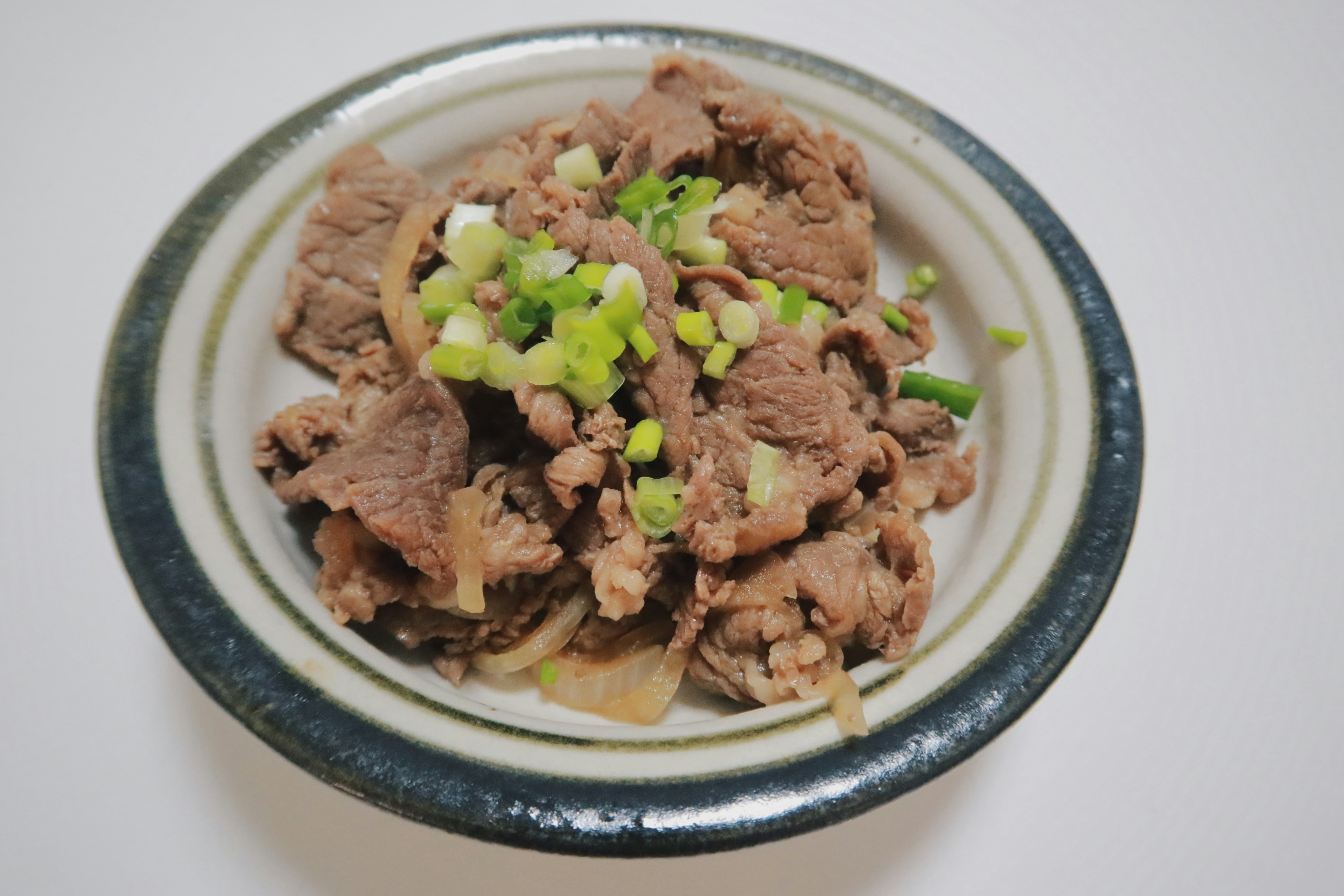
Introduction to Korean Beef Bulgogi
Korean beef bulgogi is a traditional dish characterized by its mouthwatering blend of sweet and savory flavors, which highlights the rich culinary heritage of Korea. The term “bulgogi” translates to “fire meat” in English, referring to the cooking method where marinated beef is grilled or stir-fried to achieve a perfect sear. This dish typically utilizes thinly sliced beef, which is marinated in a mixture of soy sauce, sugar, sesame oil, garlic, and various spices—elements that contribute to its distinctive taste and tender texture.
The marination process is crucial in preparing bulgogi as it allows the flavors to deeply penetrate the meat, ensuring that each bite bursts with savory goodness. Not only does marinating enhance the taste, but it also serves to tenderize the beef, creating a delightful eating experience. As such, this dish has gained popularity not only in Korea but worldwide, thanks to its unique flavor profile and ease of preparation.
Korean beef bulgogi is versatile in serving options, making it an ideal choice for various occasions. It can be served over a bed of rice, allowing the savory juices to soak into the grains, enhancing the overall flavor of the meal. Alternatively, bulgogi can be enjoyed in lettuce wraps, offering a fresh and crunchy contrast to the savory beef, alongside vibrant vegetables and dipping sauces. This adaptability makes bulgogi a beloved dish among both Korean locals and international food enthusiasts. As you delve into the subsequent sections of this blog post, you’ll discover a straightforward recipe to create your own homemade Korean beef bulgogi, bringing this delicious experience right to your dining table.
Why This Recipe Works
The success of the Easy Homemade Korean Beef Bulgogi recipe can be attributed to several essential factors that come together to enhance both flavor and texture. Central to this recipe is the marinade, which comprises key ingredients such as soy sauce, sesame oil, and brown sugar. Each component plays a crucial role in not only imparting a rich, savory flavor profile but also in tenderizing the beef. The sodium present in soy sauce breaks down the muscle fibers, making the meat tender, while the sesame oil adds a layer of depth with its nutty flavor.
Additionally, the inclusion of brown sugar in the marinade contributes to the overall balance by introducing sweetness that complements the saltiness of the soy sauce. This sweet and salty harmony is essential in achieving an authentic bulgogi taste. The sugar also aids in caramelization during cooking, resulting in a beautifully glazed exterior that enhances the visual appeal of the dish.
Another vital aspect of this recipe is its expedient cooking process. Bulgogi is traditionally cooked quickly over high heat, which is facilitated by slicing the beef thinly against the grain. This method not only allows for a faster cooking time but also ensures that the beef retains its natural juices, providing a succulent bite. Coupled with this is the inclusion of fresh vegetables such as onions and greens, which are added just before the end of cooking to maintain their crispness. This deliberate timing ensures that every spoonful of bulgogi presents a delightful contrast between the tender beef and the crunchy vegetables.
By carefully orchestrating these elements—the marinade’s flavor and tenderizing effects, along with a swift cooking method—this recipe successfully captures the essence of traditional Korean bulgogi while remaining accessible to home cooks.
Ingredients Required for Korean Beef Bulgogi
Korean Beef Bulgogi is a delightful dish that combines marinated beef with various vegetables, creating a vibrant and flavorful meal. To prepare this dish effectively, you need to gather specific ingredients, which can be categorized into beef and marinade ingredients, vegetables, and garnishing elements.
First and foremost, selecting the right cut of beef is crucial. The ideal choices for beef bulgogi include sirloin, ribeye, or tenderloin, as these cuts are known for their tenderness and rich flavor. The beef should be sliced thinly to allow for quick marination and cooking, making it easier to absorb the marinade’s flavors.
Next, we delve into the marinade ingredients. A well-balanced marinade typically includes soy sauce, sesame oil, minced garlic, grated ginger, and sugar. The soy sauce serves as the base, providing umami and saltiness, while sesame oil adds a nutty aroma. Garlic and ginger contribute depth, enhancing the overall taste. For sweetness, traditional recipes often use brown sugar, but alternatives like honey or maple syrup can be substituted for a unique twist.
Moving on to vegetables, common additions include sliced onions, carrots, and green onions. These not only add color but also provide texture and subtle sweetness to the dish. You may experiment with other vegetables like bell peppers or mushrooms, according to preference. They can enhance the flavor profile and make the dish more nutritious.
Finally, for garnishing, sesame seeds and additional green onions can elevate the presentation of your beef bulgogi. The sesame seeds add a delightful crunch, while the green onions provide a fresh, crisp finish. With all these ingredients at hand, you will be equipped to create an authentic and satisfying Korean Beef Bulgogi dish. Make sure to ensure the quality of the ingredients for the best outcome.
Step-by-Step Cooking Instructions
To prepare a delightful homemade Korean beef bulgogi, begin by gathering your ingredients: 1 pound of thinly sliced beef (ribeye or sirloin works best), 1 onion (thinly sliced), 1 carrot (matchstick cut), 2 green onions (chopped), and assorted vegetables such as bell peppers or mushrooms, if desired. For the marinade, you will need ¼ cup soy sauce, 3 tablespoons sugar, 1 tablespoon sesame oil, 1 tablespoon minced garlic, 1 teaspoon grated ginger, and pepper to taste.
Start by marinating the beef. In a bowl, combine soy sauce, sugar, sesame oil, garlic, ginger, and pepper. Add the sliced beef to the marinade, ensuring all pieces are evenly coated. Cover the bowl with plastic wrap, and allow the beef to marinate for at least 30 minutes, or up to a few hours for deeper flavor. This step is crucial for developing the rich taste that characterizes bulgogi.
Once marinated, heat a large skillet or griddle over medium-high heat. When hot, add the marinated beef in a single layer to ensure proper searing. Cook for about 3 to 4 minutes without stirring, allowing the beef to develop a nice caramelization. After this, stir frequently until the beef is fully cooked and just browned, typically around 5 minutes.
Next, incorporate the sliced onion and carrot into the skillet, stirring them with the beef for an additional 2 to 3 minutes until they become tender yet retain some crunch. You may also add any other vegetables at this stage, giving them time to cook through without losing flavor or texture.
Finally, remove the bulgogi from heat and garnish with chopped green onions. Serve your Korean beef bulgogi with warm rice or crispy lettuce wraps for an authentic experience, ensuring that you savor each bite filled with flavor. Enjoy your meal!