
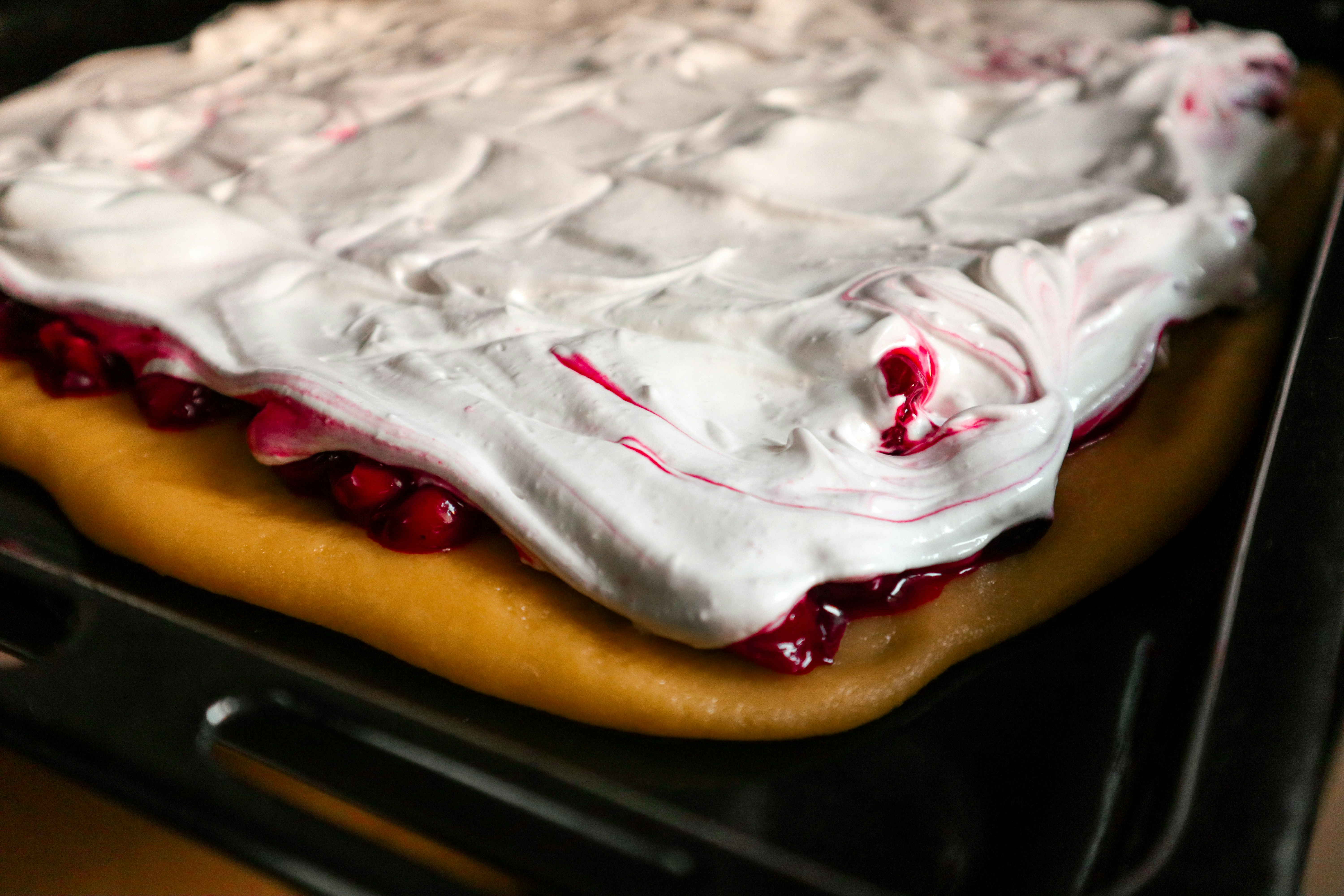
Introduction to Classic American Apple Pie
Classic American apple pie holds a prestigious place in the tapestry of American culinary tradition. Often referred to as ‘the quintessential American dessert’, this beloved dish embodies a rich heritage that integrates the evolving narratives of American culture. Its origins trace back to early European settlers who brought the baking tradition to the New World, delighting in the use of local resources, notably apples, which flourished abundantly across the continent.
The apple pie is more than just a pastry; it serves as a symbol of home, comfort, and togetherness in American society. Celebrated in numerous family gatherings and holiday festivities, this dessert has become synonymous with cherished moments, from Thanksgiving feasts to summer picnics. The phrase “as American as apple pie” aptly captures its integration into the nation’s identity, reflecting the values of family and friendship that underpin informal celebrations.
As family recipes are passed down through generations, the apple pie represents a continuum of traditions that bind together families and communities. Each rendition often carries a unique twist, showcasing local apples or tailoring spices to suit regional tastes, while steadfastly adhering to the fundamental components of pie crust and filling. This adaptability is what makes apple pie special; it evolves yet remains true to its roots, allowing each version to tell a personal story. This harmonious blend of nostalgia and innovation continues to captivate new generations, affirming the apple pie’s revered status in American cuisine.
In exploring classic American apple pie, we uncover not only a delightful dessert but also a cultural artifact that speaks to the heart of home cooking and communal experiences. Its significance, spanning generations, makes it not just a recipe but a reflection of the American spirit itself.
Ingredients of a Perfect Apple Pie
Creating a classic American apple pie begins with understanding the importance of high-quality ingredients, each contributing uniquely to the pie’s flavor and texture. The apples selected for this dessert play a pivotal role in the overall taste. Traditionally, a combination of tart and sweet apples is used to achieve a balanced flavor profile. Varieties such as Granny Smith, Honeycrisp, and Fuji are popular choices, as they provide both acidity and sweetness. The key is to incorporate apples that maintain their structure during baking, allowing for a pleasing bite in each slice.
The crust, often regarded as the foundation of any pie, also requires meticulous attention. A classic apple pie crust is typically made from all-purpose flour, unsalted butter, water, and salt. The quality of butter is particularly important, as it adds richness and flakiness to the crust. For a more indulgent touch, some recipes may call for a hint of sugar in the crust, enhancing the sweet flavors of the filling. The dough should be mixed minimally to prevent overworking, which can result in a tough texture.
Spices are essential in elevating the apple pie experience. Ground cinnamon is a traditional addition that complements the natural sweetness of the apples, while nutmeg and allspice can provide deeper flavor notes. A moderate amount of sugar is typically sprinkled over the filling, but it is crucial to strike the right balance to allow the apples’ inherent sweetness to shine through.
Lastly, some bakers choose to incorporate an additional element of richness by dotting the filling with butter before baking, which adds depth and helps achieve a beautifully caramelized filling. By considering each of these ingredients carefully, one can ensure that the classic American apple pie remains a timeless dessert that delights the palate with every bite.
The Art of Crust Making
Creating the perfect pie crust is an essential skill for anyone looking to master the art of classic American apple pie. The crust serves as the foundation of this beloved dessert, providing not only a pleasing texture but also a visual appeal that enhances the overall dining experience. To achieve a golden, flaky lattice crust, a few key techniques must be employed.
The choice of fat plays a pivotal role in the texture and flavor of the crust. While both butter and shortening are popular options, they yield different results. Butter imparts a rich flavor along with its flakiness, making it the preferred choice for many bakers. On the other hand, shortening results in an exceptionally tender crust due to its higher fat content. A combination of the two can also be used to enjoy the benefits of both worlds—achieving a balance of taste and texture.
When preparing the dough, it is crucial to keep the ingredients cold. Chilling the butter and water before mixing helps prevent the fat from melting, which contributes to a flaky texture. During the blending process, it is important to work the fat into the flour until it resembles coarse crumbs, avoiding overmixing, which can lead to a tough crust. Gradually adding ice water, just until the dough comes together, allows for a pliable and manageable consistency.
Once the dough is prepared, rolling it out requires some finesse. Dusting the work surface with flour prevents sticking while maintaining the integrity of the dough. Achieving even thickness ensures uniform baking, which is crucial for a beautiful finish. After shaping, refrigeration of the crust for at least 30 minutes before filling helps to maintain its structure during baking.
In conclusion, mastering the art of crust making is a vital step in crafting a classic American apple pie. By understanding the role of fat, temperature, and technique, bakers can create a delightful lattice crust that is both beautiful and delicious, embodying the true essence of this timeless dessert.
Preparing the Apple Filling
The apple filling is a critical component of any classic American apple pie, and preparing it correctly can significantly enhance the overall flavor and texture of the dessert. The first step in creating a delicious filling is selecting the right apple varieties. A mix of sweet and tart apples is often recommended to achieve a balanced flavor profile. Common choices include Granny Smith for their tartness and Honeycrisp or Fuji for their natural sweetness. This combination not only offers a delightful taste but also provides a varied texture that holds up well during baking.
Once the apples are chosen, the next step involves slicing them properly. It’s essential to peel and core the apples before cutting them into uniform slices, ensuring even cooking. Aim for slices about ¼ inch thick; this thickness allows the apples to soften nicely without becoming mushy. After slicing, the apples should be placed in a bowl, where they can be seasoned with various spices, including cinnamon and nutmeg. These spices are integral to the classic apple pie flavor, as they complement the natural sweetness of the apples. A gentle sprinkle of sugar can also be added at this stage to further enhance the sweetness and to draw out the juices.
To prevent the filling from becoming too watery, it’s advisable to let the seasoned apples rest for about 15 to 20 minutes, allowing excess moisture to escape. If necessary, a small amount of flour or cornstarch can be incorporated to help absorb any extra liquid as the pie bakes. Additionally, applying a butter glaze on top of the apple filling before sealing the pie crust can impart a lovely sheen and richness to the finished dessert. This final touch not only enhances the visual appeal but also enriches the flavors, making the classic apple pie even more alluring.
Assembling Your Apple Pie
Assembling a classic American apple pie requires careful attention to detail and a bit of culinary finesse. Start by rolling out the pie crust on a floured surface, ensuring it is large enough to fit your pie dish. Ideally, you want your crust to be about 1/8 inch thick. A helpful tip is to rotate the dough frequently to maintain an even circle. Once you have reached the desired thickness, gently transfer the crust into the pie dish, allowing it to drape slightly over the edges. This will give you some extra dough to work with for sealing the pie.
Next, prepare your apple filling by tossing sliced apples with sugar, cinnamon, lemon juice, and a cornstarch mixture to ensure it thickens properly during baking. Spoon the apple mixture into the pie crust, taking care to distribute the apples evenly for balanced flavor and texture throughout the pie. One option to consider is to layer the apples in an artistic manner, creating an appealing visual effect.
To create a decorative lattice top, roll out a second crust. Cut it into strips, typically about 1 inch wide. Begin arranging the strips over the apple filling, weaving them over and under to form a lattice pattern. This not only enhances the pie’s aesthetic but allows steam to escape during baking. After completing the lattice, trim the excess dough hanging over the edges and pinch the top and bottom crusts together to create a sealed edge. Use a fork or your fingers to create decorative crimping along the edges, sealing in the flavor and preventing any filling from oozing out.
Lastly, to ensure a beautiful golden finish, brush the top crust with an egg wash composed of beaten egg and milk. This step will give your pie a professional sheen, making it as stunning as those seen in various food magazines. By following these steps, your assembled apple pie will not only taste heavenly but also look visually striking, ready to impress any dessert lover.
Baking to Perfection
Baking a classic American apple pie entails a precise process that ensures a delectable outcome. To achieve the iconic golden crust and bubbling filling, it is essential to maintain the correct temperature settings throughout the baking process. Preheating the oven to 425°F (220°C) serves as the foundation for a well-baked pie. This high initial temperature allows the crust to rise and brown effectively, creating the desired flaky texture.
Once the pie is placed in the preheated oven, it should bake for about 15 to 20 minutes at this elevated temperature. This initial phase is crucial for activating the dough, which contributes to the light and airy structure of the crust. After this period, the oven temperature should be reduced to 350°F (175°C) for the remaining 30 to 40 minutes. This gradual decrease ensures that the filling cooks through without overbaking the crust, resulting in a perfectly balanced finish.
The baking time may vary depending on your oven’s performance and the specific recipe used; thus, it is advisable to keep an eye on the pie as it nears the end of the baking period. An ideal apple pie will feature a bubbly filling and a crust that has turned a rich, golden brown. To determine doneness, look for visual cues such as bubbling juices around the edges and a crust that is firm to the touch.
Following the completion of baking, the importance of cooling cannot be overstated. Allowing the pie to rest for at least two hours enhances the texture and taste. As it cools, the filling settles, allowing the juices to thicken and the flavors to meld. This cooling stage is vital for ensuring that slices hold their shape when served. Therefore, patience is a key ingredient in achieving that classic American apple pie irresistibly enjoyed at gatherings and celebrations.
Serving Suggestions for Apple Pie
Classic American apple pie is a delectable dessert that holds a special place in the hearts of many. To elevate the experience of enjoying this timeless treat, various serving suggestions can enhance its flavor and add a personal touch to its presentation. One of the most traditional accompaniments is a generous scoop of vanilla ice cream, which complements the warm spices of the pie while providing a creamy contrast to the flaky crust. The cold ice cream creates a delightful blend as it melts into the warm apple filling, offering each bite a rich and satisfying taste.
In addition to vanilla ice cream, whipped cream serves as another popular choice. Light and airy, this topping adds a delicate sweetness that enhances the flavors of the apple filling without overshadowing its natural goodness. For those seeking a unique twist, flavored whipped creams—such as cinnamon or maple—can introduce an exciting element to the experience, harmonizing beautifully with the spices used in the pie.
Caramel sauce is yet another delightful option to consider when serving classic apple pie. Drizzling warm caramel over a slice adds a touch of indulgence, transforming each bite into a rich and inviting treat. The sweetness of the caramel pairs excellently with the tartness of the apples, making for a well-balanced combination that many will savor.
For a more health-conscious addition, a dollop of Greek yogurt or crème fraîche, lightly sweetened with honey, can provide a tangy contrast that highlights the flavors of the pie without overwhelming them. This option is perfect for those looking for a lighter alternative. On occasions, garnishing the pie with fresh mint leaves can also enhance its presentation, adding a pop of color and a subtle freshness.
Ultimately, the choices for serving classic American apple pie are as diverse as the palates of those who enjoy it, allowing each person to customize their dessert experience according to their preference.
Healthier Variations of Apple Pie
Apple pie is a beloved dessert that, while delicious, is often associated with high sugar and fat content. However, there are numerous ways to enjoy this classic treat while making it more nutritious. One popular method is to incorporate whole wheat flour into the crust instead of relying solely on all-purpose flour. Whole wheat flour contains more fiber and essential nutrients, making the crust not only healthier but also adding a rich, nutty flavor to the pie.
Another effective modification involves reducing the amount of sugar used in the filling. Traditional recipes can call for significant quantities of sugar, which can be easily adjusted without sacrificing taste. By using naturally sweeter apples, such as Honeycrisp or Fuji, one can decrease the added sugar required. Furthermore, experimenting with sugar substitutes like stevia or monk fruit can allow individuals to enjoy the sweet flavor of apple pie while minimizing caloric intake, catering to those who are watching their sugar consumption.
Additionally, consider incorporating healthier ingredients into the filling. For example, spices such as cinnamon and nutmeg not only enhance the flavor profile but may also offer potential health benefits, including anti-inflammatory properties. You can also add nuts, raisins, or oats for added texture and nutritional value. These ingredients introduce healthy fats, fiber, and essential nutrients, transforming the apple pie into a more balanced dessert option.
In summary, by making simple adjustments such as using whole wheat flour, reducing sugar, and enhancing the filling with nutritious ingredients, one can savor the delightful flavors of apple pie while maintaining a focus on health. These variations make it possible for individuals with dietary restrictions or health-conscious preferences to indulge in this timeless dessert without compromising their wellness goals.
Apple Pie in Popular Culture
Apple pie holds a significant place in American culture, symbolizing tradition, comfort, and nostalgia. With its rich history, this timeless dessert has permeated various facets of popular media, from cinema to literature and even music. Its very mention often conjures images of family gatherings, festive celebrations, and cherished memories shared over a warm slice of pie.
In film, apple pie is frequently used to evoke a sense of Americana. Classic movies like “American Graffiti” and “The Sound of Music” feature apple pie as a key element, encapsulating a moment of warmth and simplicity that resonates with viewers. The phrase “as American as apple pie” underscores its role in reinforcing American ideals and lifestyles. This phrase has become ingrained in the national consciousness, portraying apple pie as a quintessential representation of the country’s values.
Moreover, apple pie has also made notable appearances in music, becoming a lyric choice that resonates with various artists across genres. Songs like “Apple Pie” by singer-songwriter Kacey Musgraves and other tracks depict not just the dessert, but the emotional experiences connected to it, emphasizing family ties and home. This connection to apple pie reflects broader themes of love, nostalgia, and the quintessential elements of the American experience.
In literature, authors often utilize apple pie as a metaphor for home and comfort. Famous novels and poems evoke the imagery of pie-making as a symbol of care, representing the various ways individuals connect to their heritage and community. Through these themes, apple pie transcends its culinary status, becoming a narrative device that embodies emotion and memory.
These diverse portrayals in culture illuminate apple pie’s role as more than a dessert; it is an emblem of shared experiences and collective identity, marking its importance in the American cultural landscape.