
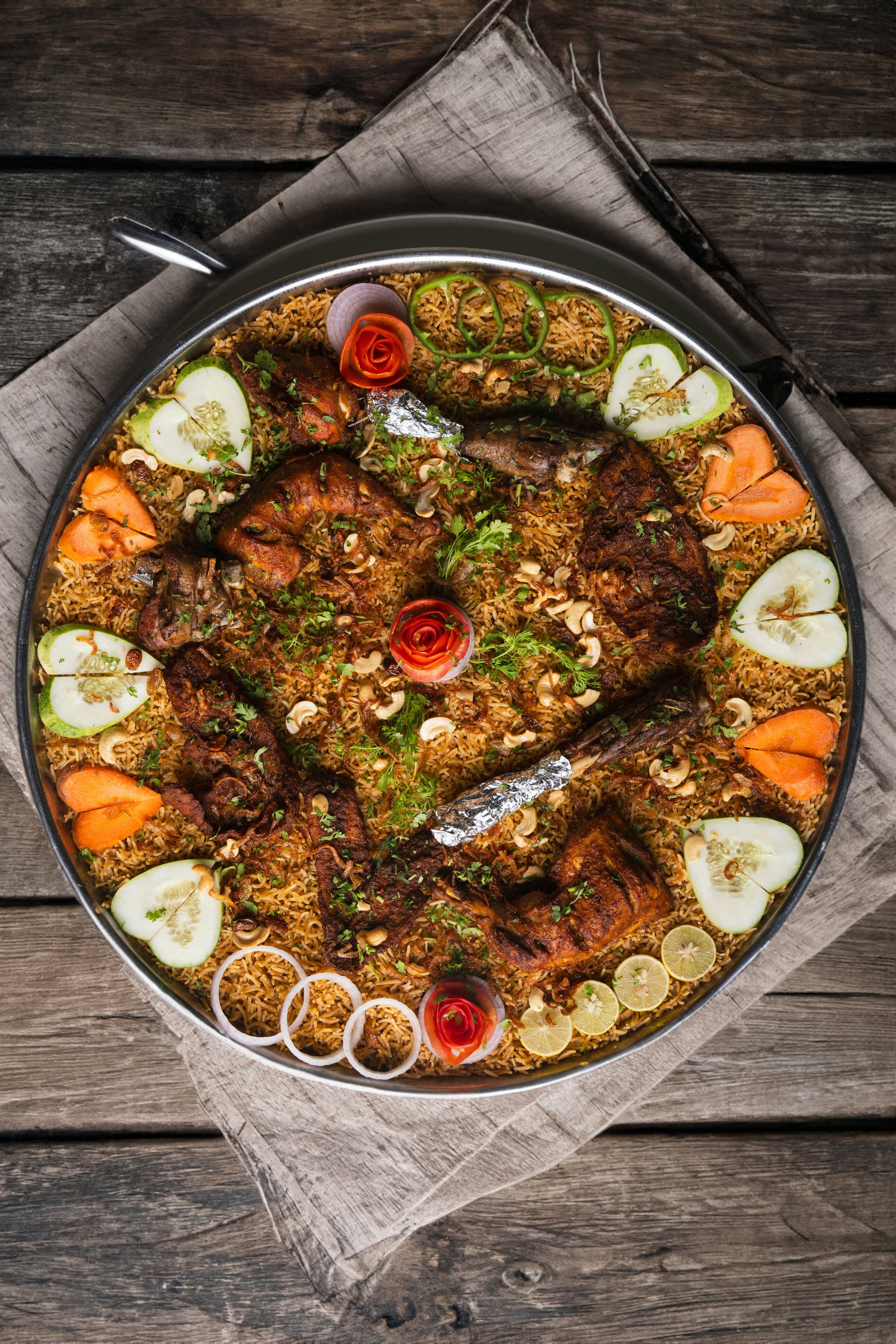
Introduction to Chicken Biryani
Chicken Biryani is a dish that encapsulates the rich culinary heritage of South Asia, particularly resonating in India and Pakistan. This intricate meal merges fragrant basmati rice with marinated chicken, resulting in a delightful medley of flavors and textures. The origins of Chicken Biryani can be traced back to the Mughal Empire in the 16th century, where it was initially prepared for royalty. Over centuries, it has evolved, influenced by diverse regional ingredients and cooking techniques, allowing it to gain significant cultural significance.
The dish is far more than mere sustenance; it symbolizes hospitality and tradition in many cultures. Each region boasts its own unique variation of Chicken Biryani, whether it be the Kannada style from Karnataka, the flavorful Lucknowi Biryani from Uttar Pradesh, or the spicy Hyderabad Biryani from South India. These regional diversities not only reflect local taste preferences but also showcase the adaptability of Chicken Biryani, contributing to its worldwide acclaim.
The essence of Chicken Biryani lies in its aromatic spices, which elevate the dish from ordinary to extraordinary. Key spices such as saffron, cardamom, and cloves are carefully selected and blended, invigorating the rice and meat. This aromatic complexity infuses every bite, creating a culinary experience that appeals to the senses. Furthermore, the cooking process itself tends to be labor-intensive, often involving slow-cooking techniques that allow the flavors to meld beautifully, making it a dish often reserved for special occasions and gatherings.
Today, Chicken Biryani is not only a staple in South Asian households but has also garnered a dedicated following globally. Its rich flavors and satisfying quality invite food lovers to explore its diverse offerings, solidifying its place as a cherished dish across cultures. An invitation into the world of Chicken Biryani is, indeed, an exploration of historical depth and culinary artistry.
Ingredients of Perfect Chicken Biryani
To prepare an authentic Chicken Biryani, it is crucial to gather high-quality ingredients that enhance the dish’s rich flavors. The primary components can be categorized into chicken, rice, spices, and garnishes. Each ingredient plays a vital role in attaining the signature taste associated with this fragrant delight.
Starting with the chicken, it is advisable to select bone-in pieces for a juicier result. Preferably, one should use fresh, free-range chicken that has been marinated with yogurt and spices. This not only tenderizes the meat but also infuses it with flavor. The suitable cut would typically include thighs and drumsticks, as they hold moisture during the cooking process.
Next is the rice, which is a critical part of any biryani recipe. Long-grained basmati rice is the ideal choice due to its distinct aroma and ability to remain separate after cooking. Opting for aged basmati rice can further enhance the dish, as it offers an improved texture and flavor profile. It is essential to rinse the rice thoroughly before cooking, which removes excess starch and prevents stickiness.
Spices are the backbone of Chicken Biryani, and a blend of both whole and ground spices is recommended for a well-rounded flavor. Common spices include cumin seeds, cardamom, cloves, cinnamon, and bay leaves. Additionally, incorporating saffron or a pinch of turmeric will add a delightful color and aroma to the dish. Whole spices should be sautéed at the beginning to release their essential oils.
Finally, garnishes such as fried onions, fresh cilantro, and mint leaves elevate the presentation and taste. When selecting garnishes, fresh herbs add a burst of freshness, while crispy onions contribute a satisfying crunch. With these carefully chosen ingredients, one can create a Chicken Biryani that is not only delicious but also a true representation of culinary heritage.
The Cooking Process: Step-by-Step Guide
The art of preparing Chicken Biryani involves several well-defined steps that, when executed properly, lead to a delicious and aromatic dish. To start, one must first marinate the chicken. This process not only infuses flavor but also helps tenderize the meat. Combine yogurt, ginger-garlic paste, turmeric, red chili powder, and salt to create an adequate marinade. The chicken should be coated thoroughly and allowed to marinate for at least one hour, although longer marination—up to overnight—yields superior results.
Once the chicken is marinated, the next step is to prepare the rice. Utilize basmati rice for its long grains and fluffy texture. Rinse the rice under cold water to remove excess starch, then soak it for about 30 minutes. This soaking process helps achieve the ideal balance of doneness—fluffy yet firm. After soaking, drain the rice and set it aside.
The cooking method then moves on to sautéing the aromatics. In a heavy-bottomed pot, heat ghee or oil until it’s hot. Add sliced onions, sautéing them until they reach a golden brown color. The addition of whole spices such as cardamom, cloves, and cinnamon at this stage enhances the flavor profile. Once the onions are properly caramelized, mix in the marinated chicken and allow it to cook until the meat is browned and partially cooked through, approximately 10-15 minutes.
In the following step, it is crucial to introduce the soaked rice to the partially cooked chicken. Layer the rice over the chicken, and add sufficient water, usually in a 1:1.5 ratio of rice to liquid, and bring the mixture to a boil. After reaching a boil, reduce the heat to low, cover the pot tightly, and allow it to cook for around 25-30 minutes. This steam-cooking technique ensures that the rice absorbs all the aromatic flavors of the spices and chicken.
This structured cooking process is fundamental to achieving an authentic Chicken Biryani. Each phase is integral to the overall taste and texture, ensuring the dish is not only pleasing to the palate but also visually appealing.
Visual Appeal: The Art of Plating
The visual appeal of Chicken Biryani plays a pivotal role in enhancing the dining experience. As the saying goes, we eat first with our eyes. When serving this aromatic dish, the manner in which it is plated can significantly influence guests’ anticipation and enjoyment. Effective plating techniques can transform a simple meal into a visually enticing centerpiece.
To begin with, selecting an appropriate serving dish is essential. A wide, shallow bowl or a traditional copper or ceramic pot can enhance the biryani’s appeal. Layers of colorful rice, beautifully nestled with tender chicken pieces, should be central to the presentation. When plating, it is advisable to create a harmonious balance between the rice and meat for a visually cohesive look.
Garnishing is another crucial aspect of boosting the dish’s visual charm. Fried onions, known as “birista,” can be generously sprinkled atop the biryani. Their golden hue not only adds a crunch but also provides an inviting contrast against the vibrant basmati rice. Additionally, a scattering of fresh herbs, such as cilantro or mint, introduces a splash of color while enhancing the fragrance. These finishing touches create a striking visual layer that beckons diners to indulge.
Furthermore, consider the use of accompaniments. Serving Chicken Biryani alongside a small bowl of cooling raita or tangy salad can enhance both the look and taste of the dish. Utilizing contrasting colors and textures results in a sophisticated appearance, allowing guests to appreciate the dish before they even take a bite.
Incorporating these plating techniques and garnishing tips can elevate the presentation of Chicken Biryani, making it not only a feast for the palate but also a visual delight. This attention to detail is sure to impress guests, leaving a lasting impression that makes the dining experience unforgettable.
Aromatic Spices: The Heart of Biryani
Chicken Biryani is a culinary masterpiece that balances flavors and aromas, largely thanks to its rich tapestry of spices. At the core of this beloved dish lies a variety of aromatic spices, each contributing its unique character to create a symphony of taste. Among the most significant spices used in Chicken Biryani are saffron, cardamom, and cloves, which not only enhance the flavor but also elevate the overall dining experience.
Saffron, often regarded as the world’s most expensive spice by weight, is known for its delicate and distinctive flavor. Its golden hue imparts a luxurious color to the biryani, while its earthy undertones add depth to the dish. Originating from the crocus flower, saffron has a long history in culinary traditions, and its use in biryani signifies a celebration or special occasion.
Cardamom, available in green and black varieties, is another essential spice in Chicken Biryani. Green cardamom is often used for its sweet, floral notes, while black cardamom has a more robust, smoky profile. This spice not only adds complexity but also provides a refreshing contrast to the savory elements of the chicken and rice. It is often said that cardamom can elevate the dish and awaken the senses, making every bite a pleasurable experience.
Cloves, with their strong and slightly sweet flavor, bring warmth to the dish. These dried flower buds contribute to the overall fragrance of the biryani, making it all the more inviting. Their origin dates back thousands of years to the Spice Islands, giving them a rich cultural and historical significance. As they release their oils during cooking, cloves enhance the biryani with a delightful aroma that lingers in the air.
Incorporating these aromatic spices not only defines the flavor profile of Chicken Biryani but also highlights the artistry involved in its preparation. It is the careful selection and blending of these spices that transform simple ingredients into a dish that tantalizes the taste buds and captures the essence of culinary traditions.
Serving Suggestions and Accompaniments
Chicken Biryani, renowned for its rich flavors and aromatic spices, is often enhanced by the careful selection of accompaniments. To create a well-rounded dining experience, consider pairing Chicken Biryani with raita, a yogurt-based side that offers a cooling contrast to the dish’s spices. Raita can be prepared simply with diced cucumbers, tomatoes, and onions, seasoned with cumin and coriander for an added flavor profile. The creaminess of the yogurt helps to balance the heat, making each bite of biryani more enjoyable.
In addition to raita, a fresh salad is an excellent accompaniment. A salad composed of mixed greens, sliced cucumbers, and crunchy radishes can add a refreshing crunch and lightness to your meal. Dress it lightly with lemon juice and a sprinkle of salt to enhance the natural flavors of the vegetables, ensuring that it complements rather than overpowers the distinctive taste of Chicken Biryani.
Moreover, a selection of pickles can introduce an element of tanginess that elevates the entire dining experience. Various types of Indian pickles, such as mango or lemon pickle, can stimulate the palate and provide a delightful contrast to the aromatic rice and tender chicken. The tartness of the pickles accentuates the flavors of the biryani, making each bite more vibrant.
When it comes to beverage pairings, opt for a light-bodied wine, such as a Sauvignon Blanc or Riesling, which can enhance the meal without overwhelming the senses. For those preferring non-alcoholic options, a mint-infused lemonade or a lassi can be most refreshing, echoing the flavors found in Chicken Biryani. The right accompaniments can significantly elevate this staple dish, showcasing its irresistible charm while ensuring a fully satisfying meal.
Healthier Variations of Chicken Biryani
Chicken Biryani is a beloved dish known for its rich flavors and aromatic spices; however, there are several ways to enjoy this classic meal in a healthier manner. By making mindful ingredient substitutions, individuals can savor the delightful essence of Chicken Biryani while keeping nutritional values in check. One of the most effective modifications is swapping out white rice for brown rice. Brown rice not only retains more nutrients but also adds fiber, which contributes to better digestion and may aid in maintaining a healthy weight.
Another method to enhance the health quotient of Chicken Biryani is by choosing lean cuts of chicken. Opting for skinless chicken breast instead of dark meat or chicken with skin reduces excessive fat and calorie content. This modification ensures that you indulge in a lighter version of Chicken Biryani without losing the rich taste that is characteristic of this dish. Additionally, marinating the chicken in low-fat yogurt instead of full-fat variants can boost flavor and tenderness while significantly cutting down on saturated fats.
Incorporating plenty of vegetables into the Chicken Biryani can also enhance its nutritional profile. Ingredients like peas, carrots, and bell peppers can introduce an array of vitamins, minerals, and antioxidants while complementing the overall flavor. By adding vegetables, one can further broaden the dish’s appeal to health-conscious diners, ensuring a balanced meal that is both satisfying and nourishing.
Lastly, controlling portion sizes can play a key role in enjoying Chicken Biryani healthily. Smaller servings combined with a side of salad or raita can create a balanced plate, allowing for the enjoyment of this delectable dish without excess. By making these simple adjustments, one can savor the irresistible charm of Chicken Biryani while adhering to a more health-focused lifestyle.
Tips and Tricks for the Perfect Biryani
Cooking the perfect Chicken Biryani is both an art and a science, requiring attention to detail and a few expert techniques to elevate the dish to its full potential. One of the first steps is to choose the right type of rice. Basmati rice is traditionally used due to its long grains and fragrant aroma. Soaking the rice for at least 30 minutes before cooking can help achieve the desired fluffiness and prevent it from becoming mushy during the cooking process.
When preparing the chicken, marination is key. Using yogurt, spices, and a splash of lemon juice can greatly enhance the flavor. Allow the chicken to marinate for a minimum of two hours, or even overnight if time permits. This will not only tenderize the meat but also infuse it with the aromatic spices integral to a gratifying biryani experience. Don’t hesitate to experiment with spices; cardamom, saffron, and cloves can add complexity to the dish.
Layering is another important aspect of biryani preparation. Begin by frying the onions until they are golden brown, then remove half for garnishing later. The remaining onions will contribute rich flavor to the base. When layering the dish, start with a base of half-cooked rice, followed by marinated chicken, and then top with remaining rice. This allows the chicken to seep its juices into the rice, creating a harmonious blend of flavors.
For the final cooking process, it’s vital to use a heavy-bottomed vessel with a tight-fitting lid. This helps in trapping the steam, which is essential for the rice to finish cooking without becoming overly soft. Consider the ‘dum’ method of sealing the pot with dough or a tight lid to ensure the aromatic flavors are locked in. Cook on low heat for about 30-40 minutes, allowing the dish to develop its beautiful fragrance and taste.
Final Thoughts: The Joy of Cooking Chicken Biryani
The act of cooking Chicken Biryani transcends mere food preparation; it serves as an expressive and creative outlet that fosters connections among loved ones. The aromatic spices, the fragrant rice, and the tender chicken come together to create not just a meal but a celebration of culture and familial bonds. This beloved dish has a way of bringing people together, evoking memories and instilling a sense of belonging. Each spoonful encapsulates effort and tradition, creating a shared experience that resonates far beyond the dinner table.
As you embark on your own culinary journey with Chicken Biryani, it is essential to embrace the process wholeheartedly. The kitchen becomes a canvas, allowing you to experiment with variations in spices and herbs, ultimately tailoring the dish to reflect your unique palate. Whether you prefer a milder taste or a robust flavor profile, cooking this iconic dish grants you the freedom to innovate. Do not hesitate to add your own twist by incorporating seasonal vegetables or experimenting with different cooking methods. This flexibility not only enhances the comfort that comes from preparing Chicken Biryani but also reaffirms your personal touch.
Moreover, cooking can be a meditative experience, inviting mindfulness into our bustling lives. The rhythmic chopping of ingredients and gentle simmering of spices allow for a moment of pause, fostering a sense of peace. As you share this beloved dish with family and friends, you pass down both history and creativity, strengthening your ties to one another. Enjoy the process and relish the joy that comes from nourishing those you care about. In crafting Chicken Biryani, you are not only creating a meal but also forging memories and nurturing relationships.