
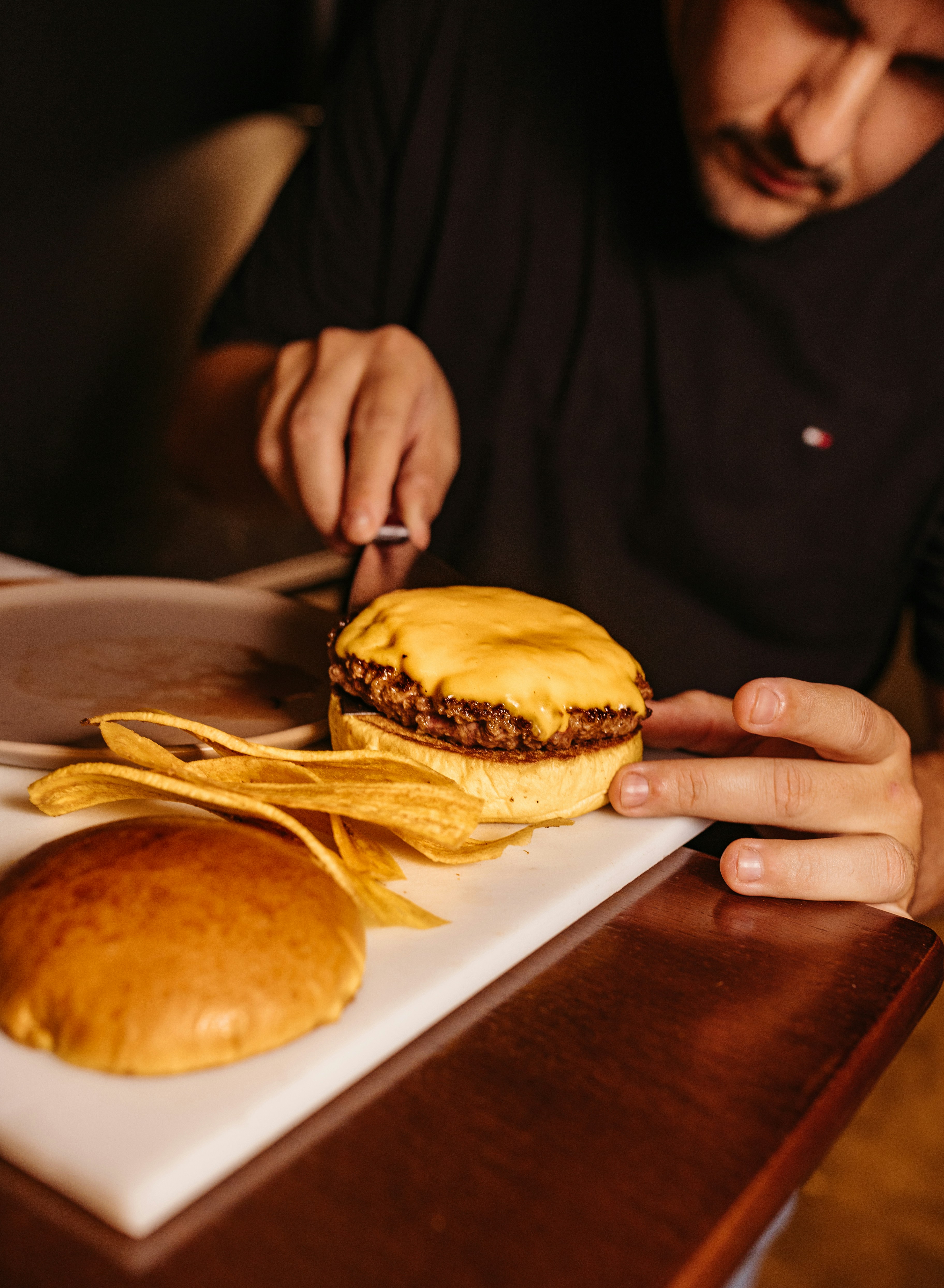
The Allure of the Cheeseburger
The cheeseburger stands as an iconic emblem of American cuisine, celebrated for its rich flavors and comforting essence. This beloved dish combines the heartiness of a well-cooked beef patty with the creamy goodness of melted cheese, creating a perfect balance that has captivated palates for generations. Its very appeal lies not only in its taste but also in its cultural significance, symbolizing the essence of communal dining and casual gatherings across the United States.
Originating from humble beginnings, the cheeseburger has evolved into a culinary staple, gracing menus from food trucks to fine dining establishments. Its universal popularity can be attributed to its versatility; diners can customize their cheeseburger with various toppings, sauces, and breads, allowing for endless combinations that cater to diverse preferences. This adaptability has cemented the cheeseburger’s place in the hearts of many, making it an enduring favorite irrespective of season or location.
Recreating the classic cheeseburger at home not only brings the joy of cooking into the equation but also provides an opportunity to experiment with flavors and textures. The process of selecting quality ingredients, configuring the ideal cooking temperature, and mastering the art of melt-in-your-mouth cheese can be deeply rewarding. Additionally, crafting your own version of this comfort food can evoke fond memories, whether they stem from backyard barbecues, family gatherings, or late-night cravings.
In embracing the cheeseburger, we delve into a culinary experience that transcends mere sustenance. It is a reflection of personal taste and an invitation to share moments with friends and family. Following this guide will enable one to appreciate not just the process of making a classic cheeseburger, but also the joy and nostalgia that accompany this beloved dish.
Why This Recipe Works
The success of this classic cheeseburger recipe lies in its harmonious balance of simplicity and flavor, which allows each component to shine without overwhelming the palate. A well-cooked patty is at the heart of this beloved dish, embodying the core characteristics of a good burger. The focus is on quality beef, ideally a blend with a fat content around 80/20, which ensures juiciness and tenderness when cooked. This recipe champions minimal seasoning—just salt and pepper—highlighting the natural flavors of the meat while allowing the quality of the beef to take center stage.
Melted cheese is another crucial element in this cheeseburger’s success. Rather than masking the flavors of the meat, the choice of cheese should enhance them. Cheddar, American, and Swiss varieties all provide distinct taste profiles and melting characteristics, creating a delightful layer of richness that complements the patty. This note of indulgence unites with the fresh toppings—such as crisp lettuce, ripe tomatoes, and tangy pickles—providing contrasting textures and flavors that elevate the burger experience. Each bite encapsulates a balance of savory, fresh, and creamy elements, making it delectable.
<pfurthermore, a="" adds="" an="" and="" another.="" aspect="" been="" blend="" bun="" but="" carefully="" celebrates="" cheeseburger="" cheeseburger.="" classic="" combined="" considered,="" craving="" create="" crunch,="" customization.="" diversity="" each="" elements="" encapsulates="" enhancing="" enjoyment="" ensuring="" experience—one="" flavors="" for="" goodness.
Ingredients: What You’ll Need
Creating the perfect classic cheeseburger requires an array of carefully selected ingredients, each contributing to the signature taste and texture. To achieve a succulent burger, start with high-quality ground beef. A blend of 80% lean ground beef and 20% fat is ideal, as it strikes a balance between flavor and juiciness. The fat content ensures that the burger remains moist during cooking, enhancing its richness.
Next, consider the seasoning for your ground beef. Simple ingredients such as salt and freshly ground black pepper are essential to elevate the natural flavors of the meat without overpowering them. The seasoning should be added just before grilling to maintain the integrity of the beef while achieving a beautiful crust.
For the cheese, classic options such as American, cheddar, or Swiss are popular choices. Each cheese offers a unique flavor profile that complements the savory notes of the beef. American cheese is known for its meltability and creamy texture, while cheddar adds sharpness. Swiss cheese, on the other hand, introduces a nutty note that pairs well with various toppings.
In addition to the core ingredients, consider including fresh produce such as crisp lettuce, juicy tomatoes, and crunchy pickles. These elements add freshness and texture, balancing the richness of the beef and cheese. For the bun, a soft sesame seed or potato roll is recommended, as it holds up well against the toppings and juices from the burger.
Lastly, condiments such as ketchup, mustard, and mayonnaise allow for personalization, enhancing the overall flavor of your cheeseburger. With these ingredients in hand, you are well on your way to crafting a delectable classic cheeseburger that satisfies both taste and texture preferences.
Step 1: Shaping the Perfect Patties
Creating the ideal cheeseburger begins with the preparation of the patties. This foundational step ensures that your classic cheeseburger has the right flavor and texture. Start by selecting high-quality ground beef, ideally with a fat content of around 80/20. The marbling of fat is crucial, as it impacts both the juiciness and overall taste of the burger. Next, measure out equal portions of the beef to ensure uniformity in size. A weight of approximately 6 ounces per patty is standard, allowing for a well-cooked and satisfying result.
When shaping the patties, handle the meat as little as possible to prevent compacting, which will result in a denser texture. Lightly form each patty by gently pressing the beef into shape without overworking it. A finger or the back of a spoon can be used to create a slight indentation in the center of each patty; this helps evenly cook the burger and avoids puffing during grilling. It’s also essential to maintain a slightly thicker edge compared to the center, ensuring that the burger stays juicy throughout the cooking process.
Seasoning the patties is crucial for enhancing flavor. Before cooking, generously sprinkle each side with salt, freshly cracked black pepper, and for an added depth of flavor, consider using garlic powder. The seasoning not only elevates the taste but also aids in developing a delicious crust when the patties are cooked. Remember that seasoning should be done right before grilling to maximize flavor absorption. Following these guidelines will set the stage for a perfectly shaped and seasoned beef patty that can be the star of your classic cheeseburger recipe.
Step 2: Grilling the Patties
Grilling the perfect cheeseburger patty is essential for achieving that mouthwatering flavor that defines a classic cheeseburger. Whether using an outdoor grill, stovetop grill pan, or skillet, the cooking method can significantly impact the final product. Start by preheating your grill or skillet to a medium-high temperature, ideally around 375°F to 400°F. This temperature is optimal for creating a nice sear while keeping the patty juicy.
Once the grill is ready, gently place the seasoned patties on the hot surface. It is advisable to avoid pressing down on the patties with a spatula, as this releases juices that contribute to the burger’s flavor and moistness. Cooking times can vary depending on thickness, but generally, cook the patties for about 3 to 4 minutes on the first side without flipping. Check for a brown crust forming to indicate a good sear before turning them over.
After flipping, cook the patties for another 3 to 4 minutes, monitoring the internal temperature with a meat thermometer for precision. For a medium-rare burger, aim for an internal temperature of 130°F to 135°F, while a medium burger should reach 140°F to 145°F. At this stage, you can introduce cheese onto the patties to facilitate optimal melting. Cover the grill or skillet with a lid to trap heat and expedite the melting process, allowing the cheese to become gooey and delicious.
Remove the patties from the heat once they reach your desired doneness and let them rest for a couple of minutes. This resting period helps maintain the juices within the meat, ensuring each bite remains succulent. Whether you are grilling for a backyard party or a cozy family dinner, mastering the grilling technique is key to crafting an unforgettable classic cheeseburger experience.
Assembling the Perfect Cheeseburger
Assembling the perfect cheeseburger is an art that balances flavor, texture, and presentation. The process begins with the foundation: the buns. Start by buttering the insides of your hamburger buns lightly. This step adds a layer of richness and will help in achieving a beautifully toasted finish. Next, place the buttered buns on a skillet or grill over medium heat. Toasting them until they turn golden brown is crucial for enhancing the overall mouthfeel of the burger.
Once the buns are toasted, it is time to layer the ingredients, beginning with the bottom bun. For a classic cheeseburger, a leaf of crisp lettuce serves as a great base. This not only adds crunch but also acts as a barrier, preventing the bun from becoming soggy from any condiments. Next, add a slice of tomato, which provides juiciness and a fresh flavor that complements the richness of the cheese.
The star of the show, the patty, should now be added. Ensure that the patty is properly cooked to your desired doneness and has melted cheese on top for an indulgent experience. Placing the hot, cheesy patty on top of the vegetables allows the cheese to slightly melt into the ingredients, enhancing the overall taste. Following the patty, it’s time for the condiments. A few dollops of ketchup and mustard can be applied for that traditional flavor profile, but feel free to personalize it with mayonnaise, pickles, or even barbecue sauce, depending on your taste preference.
Finally, cap off your creation with the top bun, which, having been toasted, will hold everything together while providing an inviting presentation. The sequence of assembly is key; placing the veggies below the patty ensures they remain crisp, while the cheese melts into the remaining ingredients, creating a harmonious blend of flavors. With this attention to detail, your cheeseburger is ready to be enjoyed.
Serving Suggestions: Pairing Your Cheeseburger
When crafting the ultimate classic cheeseburger, pairing it with the right side dishes and beverages significantly enhances the overall dining experience. One of the most popular accompaniments to a cheeseburger is French fries. Whether they are thick-cut, crinkle-cut, or shoestring fries, their crispy texture and salty flavor create a delightful contrast with the juicy, savory patty. Alternatives like sweet potato fries or onion rings can also add a unique twist that aficionados of cheeseburgers might appreciate.
For a more health-conscious accompaniment, consider vibrant side salads. A refreshing coleslaw or a garden salad adds a crunchy and cool element to your meal, balancing the cheeseburger’s richness. You can even use fresh ingredients, like heirloom tomatoes and mixed greens, to bring out seasonal flavors and colors, making the plate visually appealing and nutritious.
In terms of beverages, classic pairings include soda or iced tea, both of which complement the flavors of the cheeseburger. For those who prefer alcoholic options, a crisp lager or a light ale often works well, as the carbonation cuts through the richness of the cheese and beef. Alternatively, a well-balanced red wine, such as a Cabernet Sauvignon, can elevate your meal with its bold flavors, enhancing the umami profile of your cheeseburger.
Lastly, presentation plays a crucial role in serving your cheeseburger. Consider serving it on a wooden board with a side of dipping sauces for fries, like ketchup or aioli, to create a rustic and inviting setting. Garnishing with fresh herbs can also add a pop of color and flavor, transforming a simple cheeseburger into a visually stunning dish perfect for both casual meals and structured gatherings.
Tips for Making the Best Cheeseburger
Crafting the ultimate cheeseburger is an art that begins with the choice of ground beef. Selecting the right meat is crucial; ideally, use ground beef with a fat content of around 80/20. This ratio ensures a perfect balance between flavor and juiciness, yielding a burger that is moist yet holds its shape while cooking. Furthermore, the freshness of the beef can significantly impact the final taste, so sourcing from a reliable butcher or grocery store is advisable.
Seasoning is another important factor that can enhance the flavor profile of your cheeseburger. While many opt for simple salt and pepper, consider experimenting with additional spices or herbs. Classic options might include garlic powder, onion powder, or smoked paprika. Some chefs recommend incorporating a small amount of Worcestershire sauce into the beef mixture, providing an umami kick that brightens the overall taste. However, be cautious not to overpower the natural flavors of the beef.
When it comes to cooking, achieving the perfect sear is essential. Use a preheated grill or skillet for optimal results, cooking the burger on high heat initially to develop a nice crust. Flip the burger only once to maintain its juices, and consider adding cheese towards the end of cooking. A lid can be placed over the burger for the final few minutes to allow the cheese to melt evenly.
Toppings and condiments can further elevate the cheeseburger experience, catering to a wide range of taste preferences. While lettuce, tomato, and pickles are traditional, consider unique additions such as avocado, grilled onions, or even a fried egg for a gourmet twist. The versatility of a cheeseburger allows for endless possibilities, so encourage creativity while adhering to ingredients that complement each other.
Conclusion: Enjoying Your Cheeseburger
In the culinary world, few dishes evoke as much comfort and satisfaction as a classic cheeseburger. The experience of enjoying a homemade cheeseburger goes beyond mere nourishment; it is often associated with gatherings, celebrations, and the simple pleasure of indulging in quality food crafted with care. As you savor your creation, take a moment to appreciate the layers of flavor and texture that make the cheeseburger truly iconic.
Creating your own cheeseburger allows for endless possibilities and personal touches. After following the step-by-step guide outlined in this blog post, consider experimenting with different toppings and condiments to elevate your burger experience. Whether it’s adding crispy bacon, a zesty homemade sauce, or unique cheese varieties, these small adjustments can transform a classic dish into something extraordinary. Furthermore, incorporating seasonal ingredients, such as fresh tomatoes and lettuce, ensures that your burgers are not only flavorful but also reflective of what is available throughout the year.
Sharing a cheeseburger with family and friends can foster connections and spark joyful conversations. Hosting a casual burger night allows loved ones to explore their own flavor preferences while bonding over a delicious meal. Encourage guests to customize their burgers with a selection of toppings, or set up a build-your-own-burger bar for an interactive experience that enhances the enjoyment of your gathering.
Homemade cooking has a remarkable ability to evoke a sense of warmth and nostalgia. Each cheeseburger created in your kitchen serves as a canvas for creativity and a reminder of stirring memories associated with mealtime. As you continue to refine your cheeseburger recipe, embrace the joy of cooking and the satisfaction that comes from sharing your culinary adventures with others.