
The History of Margherita Pizza
Margherita pizza is arguably one of the most recognized types of pizza globally, tracing its origins back to the late 19th century in Italy. The creation of this iconic dish is frequently attributed to a visit by Queen Margherita of Savoy to Naples in 1889. During her visit, the queen expressed a desire to try the local cuisine, prompting local pizzaiolo Raffaele Esposito to craft a special pizza in her honor. This pizza featured simple yet vibrant ingredients: tomatoes, mozzarella cheese, and fresh basil. These ingredients not only made for a delicious combination but also represented the colors of the Italian flag, symbolizing national pride and unity.
The combination of flavors in Margherita pizza articulates a culinary tradition that emphasizes the use of fresh, high-quality ingredients. The rich red of the San Marzano tomatoes, the creamy white of the mozzarella di bufala, and the bright green of the basil leaves create a visually appealing dish that captivates the palate. These carefully selected components reflect the essence of Italian cuisine, which stresses simplicity and flavor over complexity. Furthermore, the Margherita pizza has transcended its origins, becoming a symbol of Italian culinary culture and inspiring countless variations across the globe.
In contemporary settings, Margherita pizza continues to hold a significant place in pizzerias, restaurants, and homes alike. This enduring popularity can be attributed to both the dish’s historical significance and its ability to adapt to modern tastes while maintaining its traditional roots. As one savors a slice of this pizza, the story of Queen Margherita serves as a reminder of Italy’s rich culinary heritage, making each bite a journey through history.
Essential Ingredients for a Perfect Margherita Pizza
To create an authentic Margherita pizza, selecting high-quality ingredients is paramount. The essence of this classic dish lies in its simplicity and the freshness of its components. The first essential ingredient is the pizza dough, which serves as the foundation. A traditional recipe typically consists of flour, water, yeast, and salt. For best results, use high-protein flour, such as Tipo “00,” which will yield a light and airy crust. Proper fermentation of the dough is crucial, usually taking at least 24 hours for optimal flavor and texture.
Next, tomatoes are vital for making the sauce. San Marzano tomatoes are the gold standard due to their balance of sweetness and acidity. These plum tomatoes are grown in the volcanic soil of the San Marzano region in Italy, contributing to their unique flavor profile. If fresh tomatoes are not available, high-quality canned San Marzano tomatoes can serve as an excellent alternative for an authentic sauce.
Equally important is the cheese, and for a true Margherita pizza, mozzarella di bufala (buffalo mozzarella) is the preferred choice. This cheese is made from the milk of water buffaloes and offers a creamy texture and rich flavor that complements the tartness of the tomato sauce. If buffalo mozzarella is difficult to find, opt for high-quality cow’s milk mozzarella with high moisture content, which can replicate the desired creaminess.
Fresh basil leaves are the final touch that brings the classic Margherita pizza to life. It is wise to use whole, fresh leaves rather than dried basil, as their aromatic oils greatly enhance the dish’s overall flavor. When sourcing these ingredients, prioritize local farmers’ markets or specialized Italian grocery stores to ensure you obtain the freshest and highest quality products available.
Step-by-Step Instructions for Homemade Margherita Pizza
Creating a classic Margherita pizza at home begins with the preparation of the dough. Start by combining 2 cups of all-purpose flour and 1 teaspoon of salt in a mixing bowl. In a separate bowl, activate the yeast by dissolving 1 teaspoon of sugar and 1 packet (2 ¼ teaspoons) of active dry yeast in ¾ cup of warm water. Allow this mixture to sit for about 5 minutes until it becomes frothy. Gradually add the yeast mixture to the flour while stirring until a dough begins to form.
Once the dough comes together, transfer it to a floured surface and knead it for approximately 8–10 minutes until smooth and elastic. During the kneading process, ensure that you incorporate enough flour to prevent sticking but avoid over-flouring, which could make the dough dense. After kneading, place the dough in a lightly oiled bowl, cover it with a damp cloth, and let it proof for about 1 hour or until it doubles in size.
After the dough has risen, preheat your oven to its highest setting, ideally around 500°F (260°C), and allow a pizza stone or baking sheet to heat inside. Once the dough is ready, turn it out onto a floured surface and gently punch it down to release excess air. Divide the dough into two equal pieces for two pizzas. To shape the pizza, flatten one piece of dough with your hands before using a rolling pin or your fingers to stretch it into an approximate 12-inch round.
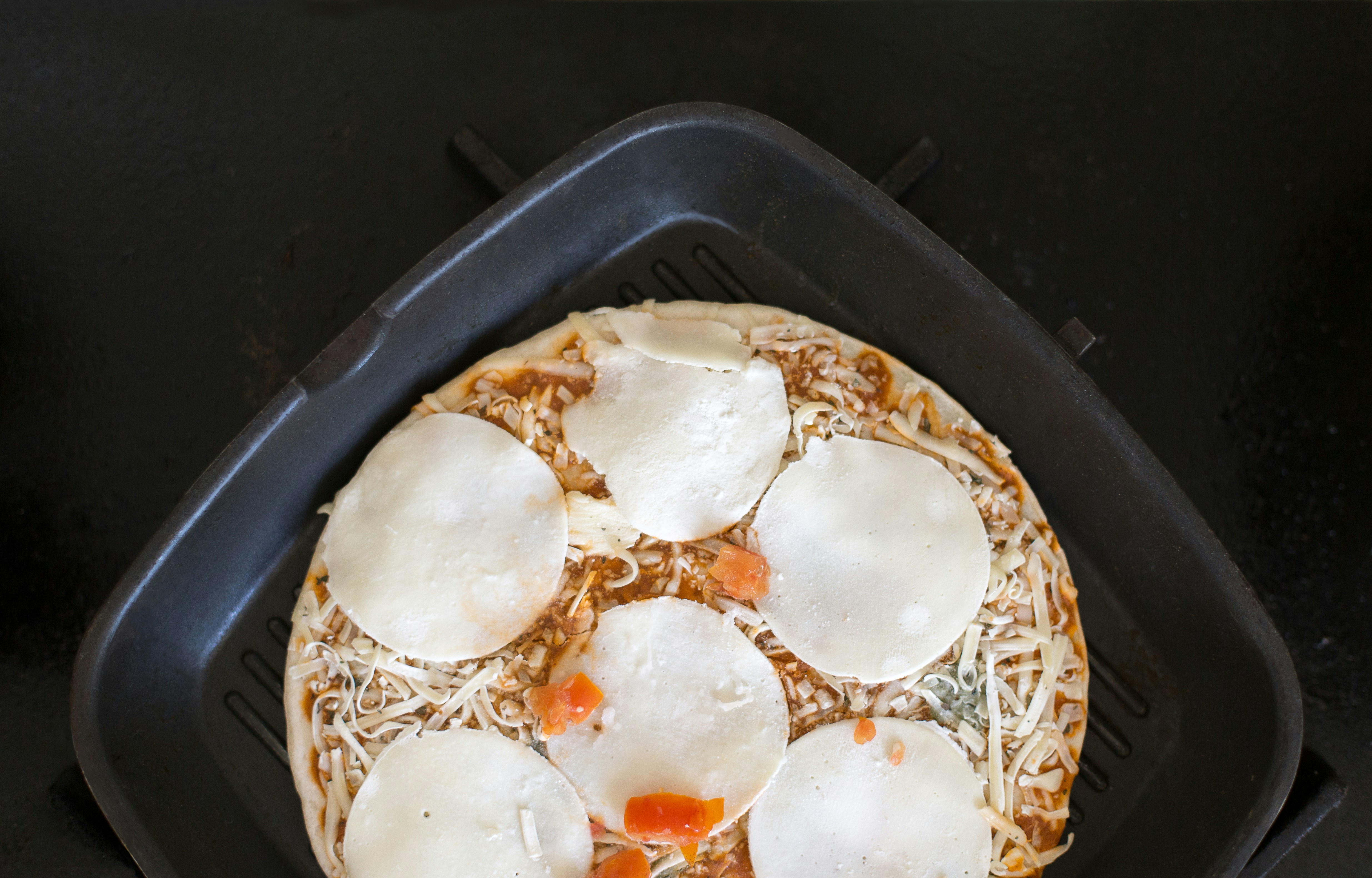
Next, transfer the shaped dough onto a pizza peel or parchment paper for easy sliding into the oven. Spread a thin layer of crushed San Marzano tomatoes onto the base, leaving a small border around the edges. Add slices of fresh mozzarella cheese on top, followed by fresh basil leaves, and drizzle with extra virgin olive oil. Bake the pizza for about 8–10 minutes or until the crust turns golden brown and the cheese is bubbly and melted. For a crispy crust, avoid overloading with toppings and ensure the oven is adequately preheated. With these detailed steps, even novice cooks can create a delicious homemade Margherita pizza.
Serving Suggestions and Variations
To fully enjoy the classic Margherita pizza, serving suggestions play a vital role. This timeless dish can be complemented with a variety of sides and beverages that enhance its flavors. A well-paired wine can bring out the best in the pizza’s simple yet rich ingredients. For a traditional pairing, consider a light-bodied Italian red, such as Chianti, which can balance the acidity of the tomato sauce and the creaminess of the mozzarella. Alternatively, a crisp white wine like Pinot Grigio works well as it refreshes the palate between bites.
When it comes to side dishes, a fresh arugula salad dressed with a lemon vinaigrette provides a peppery contrast that beautifully complements the Margherita pizza. Another option is a simple Caprese salad, featuring ripe tomatoes, fresh basil, and mozzarella drizzled with balsamic reduction. These sides not only enhance the meal but also maintain the Italian theme that characterizes this preparation.
Beyond traditional serving suggestions, exploring variations on the classic Margherita pizza can be an exciting endeavor. One can add prosciutto for a savory touch, or finish the pizza with fresh arugula after it comes out of the oven, which offers both flavor and visual appeal. A drizzle of aged balsamic glaze can elevate the pizza, adding a touch of sweetness that pairs well with the inherent acidity of the tomatoes. Additionally, consider experimenting with artisanal cheeses like burrata for an indulgent twist.
Each of these variations allows for personalization while honoring the integrity of the classic recipe. Ultimately, whether enjoyed in its original form or customized with delightful toppings, Margherita pizza remains a versatile dish perfect for any occasion.