
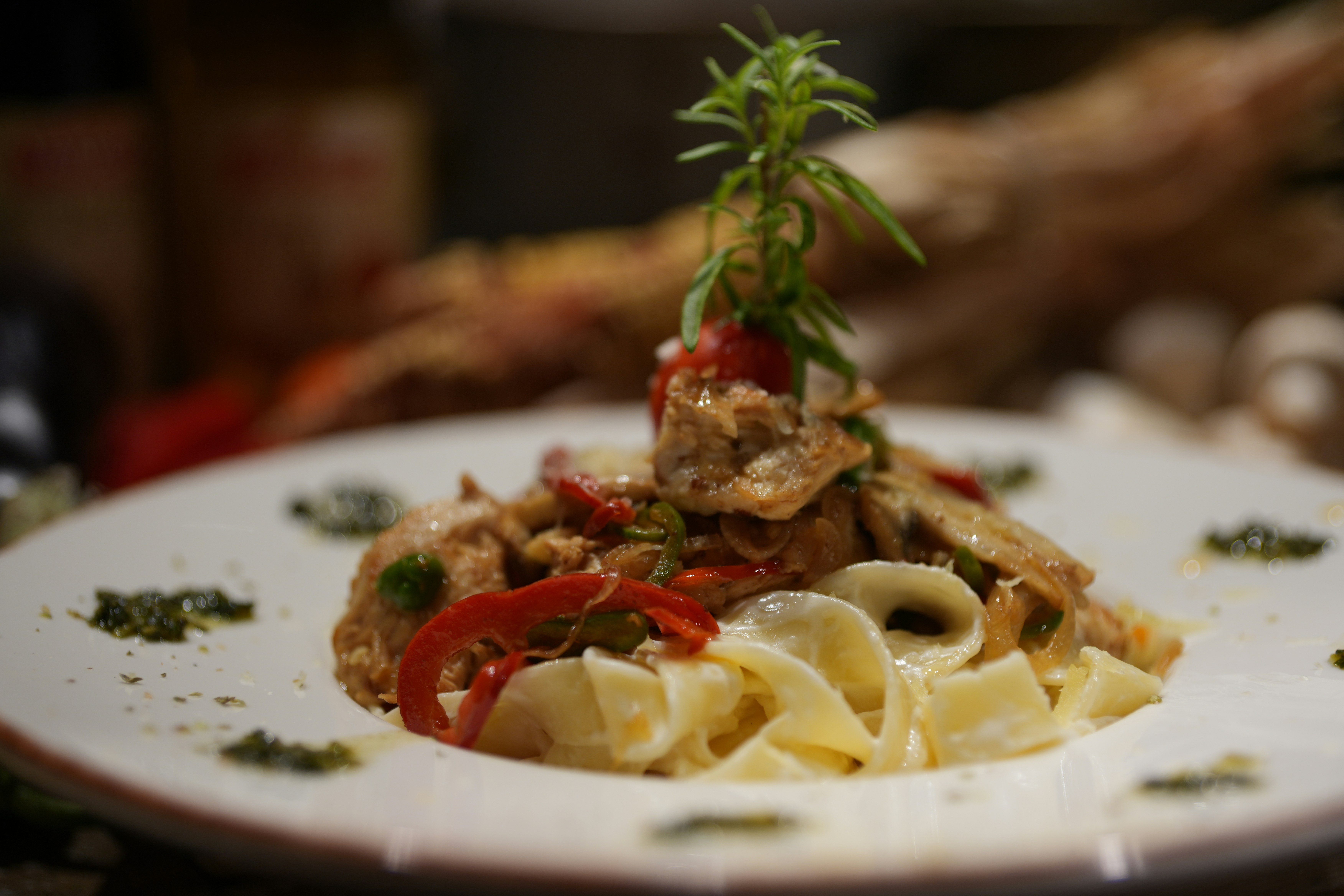
Introduction to Fettuccine Alfredo
Fettuccine Alfredo is a classic Italian dish celebrated for its rich and creamy flavor. Its origins trace back to early 20th century Rome, where it was created by Alfredo di Lelio, an Italian restaurateur. The original recipe was simple, featuring just three key ingredients: fettuccine pasta, butter, and Parmigiano-Reggiano cheese. The dish was designed to appeal to an audience seeking comfort food, and it quickly gained popularity among locals and visitors alike.
In the ensuing decades, Fettuccine Alfredo made its way to the United States, where it underwent a transformation that contributed to its status as a staple in American cuisine. Italian immigrants introduced the dish to American diners, but it did not take long for home cooks to start experimenting with the recipe. As a result, cream was added to the traditional preparation, enhancing its richness and resulting in the creamy texture that many have come to associate with the dish. This adaptation played a significant role in popularizing Fettuccine Alfredo in households across the country.
Today, Fettuccine Alfredo is often a favored choice in Italian restaurants and a common dish prepared in homes. While traditional recipes stick to the original ingredients, countless variations now exist that may incorporate proteins such as chicken or shrimp, as well as vegetables like broccoli. The universal appeal of Fettuccine Alfredo, combined with its creamy, indulgent nature, solidifies its position as a cherished culinary experience. Ultimately, understanding the dish’s origins and its evolution helps to appreciate its place in Italian gastronomy and its pervasive influence on international tastes.
Essential Ingredients for Creamy Fettuccine Alfredo
To create a deliciously creamy Fettuccine Alfredo, it is crucial to use the right ingredients that contribute to both the texture and flavor of the dish. The primary ingredient is, of course, Fettuccine pasta. This wide, flat pasta is ideal for holding onto the rich sauce, allowing for an even distribution of creaminess with every bite. When choosing fettuccine, opt for high-quality, fresh pasta whenever possible, as it enhances the overall mouthfeel.
The second key ingredient is heavy cream. This dairy product is essential for achieving the iconic creamy texture that defines Fettuccine Alfredo. Heavy cream has a high fat content, which not only enriches the sauce but also helps it to cling to the pasta. If you are looking for a lighter alternative, half-and-half can be used, but be aware that it may yield a slightly less rich sauce.
Next, Parmesan cheese is indispensable for giving the dish its signature flavor. Freshly grated Parmigiano-Reggiano is recommended for the best results, as pre-packaged cheeses often contain anti-caking agents that can affect the sauce’s smoothness. The cheese adds a savory umami element while also thickening the sauce as it melts. As a substitute, Pecorino Romano can be used for a sharper taste.
Finally, butter plays a vital role in enhancing the overall richness and flavor of the sauce. Unsalted butter is typically preferred, as it allows for better control of seasoning. It also aids in emulsifying the sauce, creating a harmonious blend of all the ingredients. For a bit of added depth, garlic can be incorporated into the butter, providing a subtle aromatic undertone.
When selecting these ingredients, freshness and quality are key. Utilizing the best possible components will not only elevate the flavor profile of your Fettuccine Alfredo but also ensure a delightful dining experience.
Step-by-Step Cooking Instructions
To create a deliciously creamy Fettuccine Alfredo, follow these detailed steps to ensure an impeccable dish. Start by bringing a large pot of salted water to a rolling boil. Once boiling, add the fettuccine pasta and cook according to the package instructions, typically for about 8 to 10 minutes, until al dente. Stir occasionally to prevent sticking. While the pasta cooks, prepare the sauce.
In a separate pan, melt 1/2 cup of unsalted butter over medium heat. As the butter melts, add 1 cup of heavy cream, stirring consistently. Allow the mixture to simmer gently for 5 minutes, ensuring it does not boil. This is a crucial step in making the creamy sauce; the gentle simmer allows for the ingredients to meld together smoothly. Next, gradually incorporate 1 to 1.5 cups of freshly grated Parmesan cheese, whisking continuously until the cheese melts and the sauce thickens. If you prefer a richer flavor, consider adding a pinch of nutmeg or freshly cracked black pepper at this stage.
Once the pasta has reached the desired texture, reserve a cup of the pasta water before draining. This water can be a useful addition to adjust the sauce’s consistency later on. Combine the drained fettuccine with the Alfredo sauce, tossing it together until the pasta is fully coated in the creamy mixture. If the sauce feels too thick, gradually add a little reserved pasta water until the desired velvety consistency is achieved.
For variations to elevate your dish, consider adding cooked chicken, sautéed mushrooms, or steamed broccoli. These ingredients can be incorporated during the final tossing, enhancing both the flavor and nutritional profile of your Fettuccine Alfredo. Serving immediately will ensure the dish retains its creamy allure, making it a truly delightful experience for all.
Serving Suggestions and Pairing Ideas
Fettuccine Alfredo, renowned for its rich and creamy texture, serves as an excellent canvas for a variety of serving suggestions and pairing options that can elevate the dining experience. To complement the lusciousness of the fettuccine, consider presenting the dish with a simple yet effective flourish. A sprinkle of freshly grated Parmesan and a dash of cracked black pepper can enhance both the flavor and visual appeal. A garnish of fresh parsley or basil not only adds vibrant color but also introduces a fresh herbal note that balances the richness of the sauce.
When it comes to side dishes, a crisp Caesar salad is a classic companion that contrasts beautifully with the creamy pasta. Alternatively, sautéed seasonal vegetables, such as asparagus or broccoli, can provide a delightful crunch and a splash of color to the plate. For those seeking a lighter option, a mixed green salad drizzled with a light vinaigrette offers a refreshing palate cleanser between bites of the heavily sauced fettuccine.
Wines that pair well with Fettuccine Alfredo include a rich Chardonnay or a smooth Pinot Grigio, both of which complement the creamy texture without overwhelming the dish. For those preferring a non-alcoholic option, sparkling water with a wedge of lemon can be an excellent choice, providing a refreshing contrast to the richness of the pasta.
Encouraging experimentation in the kitchen is essential, as personalizing the dish can lead to increasingly enjoyable meals. Consider adding grilled chicken or shrimp for protein, or spice it up with red pepper flakes for a hint of heat. By trying various ingredients and flavors, you can create a unique rendition of Fettuccine Alfredo that reflects your personal taste and dining preferences.